
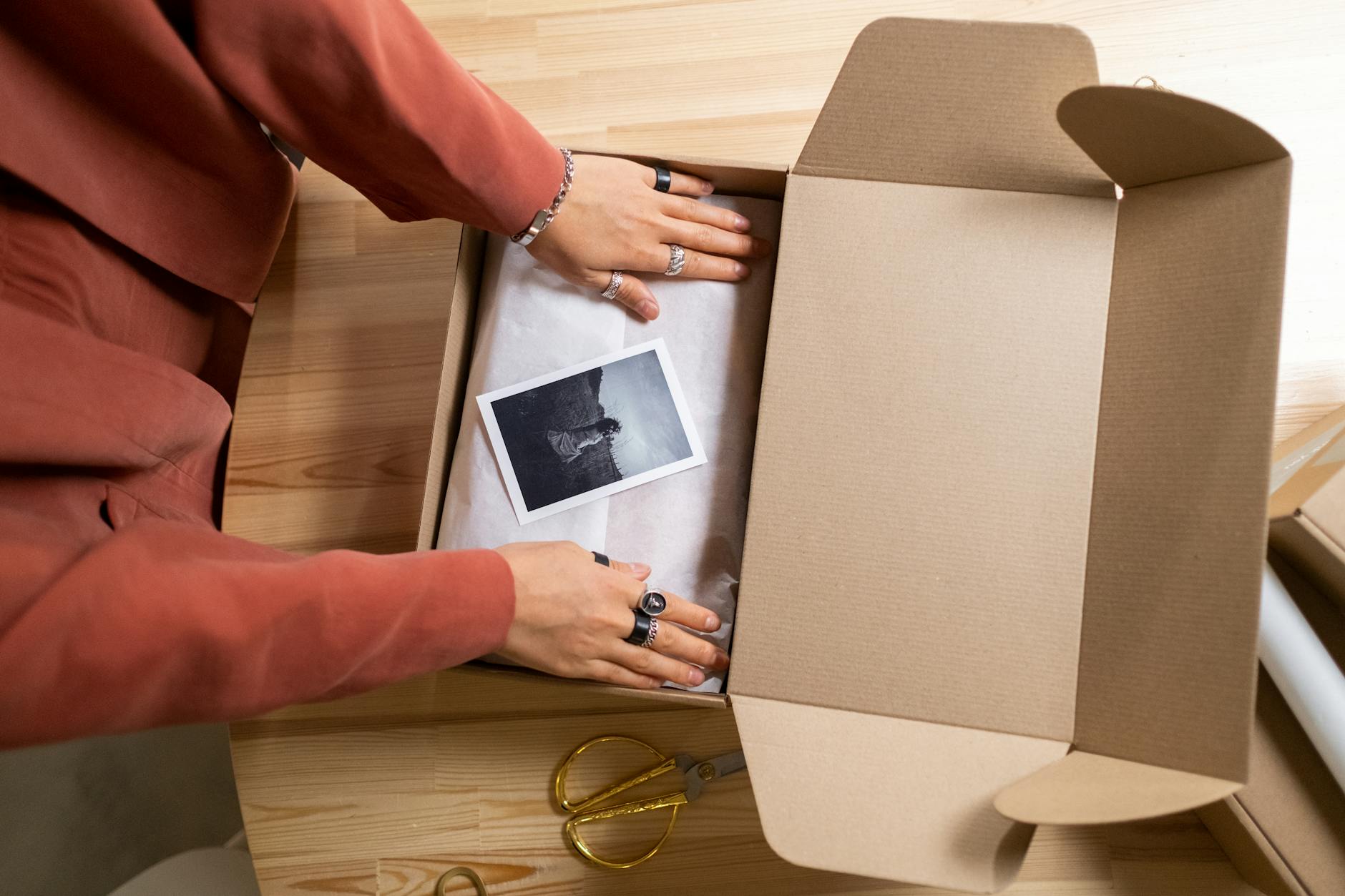
Supporting a loved one through eating disorder recovery can feel overwhelming, but thoughtful care packages can offer comfort, encouragement, and practical support along the way. The best care packages combine items that nurture both the body and mind, helping your loved one feel seen, cared for, and understood during challenging moments.
A care package is a great way to show someone in eating disorder treatment that you care about them. Receiving a care package will help make their stay in residential treatment just a little bit brighter. Eating disorder treatment is hard to go through. A care package is a great way to connect with your child, partner, friend, or loved one. It’s a wonderful reminder that you support their recovery and are cheering them on.
Whether you’re looking for soothing self-care products, empowering books, or healthy snacks, this guide will help you put together meaningful care packages that promote healing, hope, and resilience.
Why send a care package to someone who has an eating disorder?
An eating disorder is a serious illness. However, unlike other illnesses like a broken arm or even cancer, most people don’t really understand eating disorders. Like all mental illnesses, eating disorders carry an unnecessary stigma, which can make it hard for friends, family, and loved ones to know how to respond.
People who have eating disorders can feel lonely and isolated. They may feel ashamed or guilty about their illness. But just like anyone who is facing a medical challenge, friends, family, and loved ones can really help by showing up, talking, and helping to care for someone who has an eating disorder.
Sending a care package is a great way to show support for someone who has an eating disorder. Whether the person is in treatment at a care facility or at home, it’s a loving, wonderful way to show that you care.
⭐⭐⭐⭐⭐
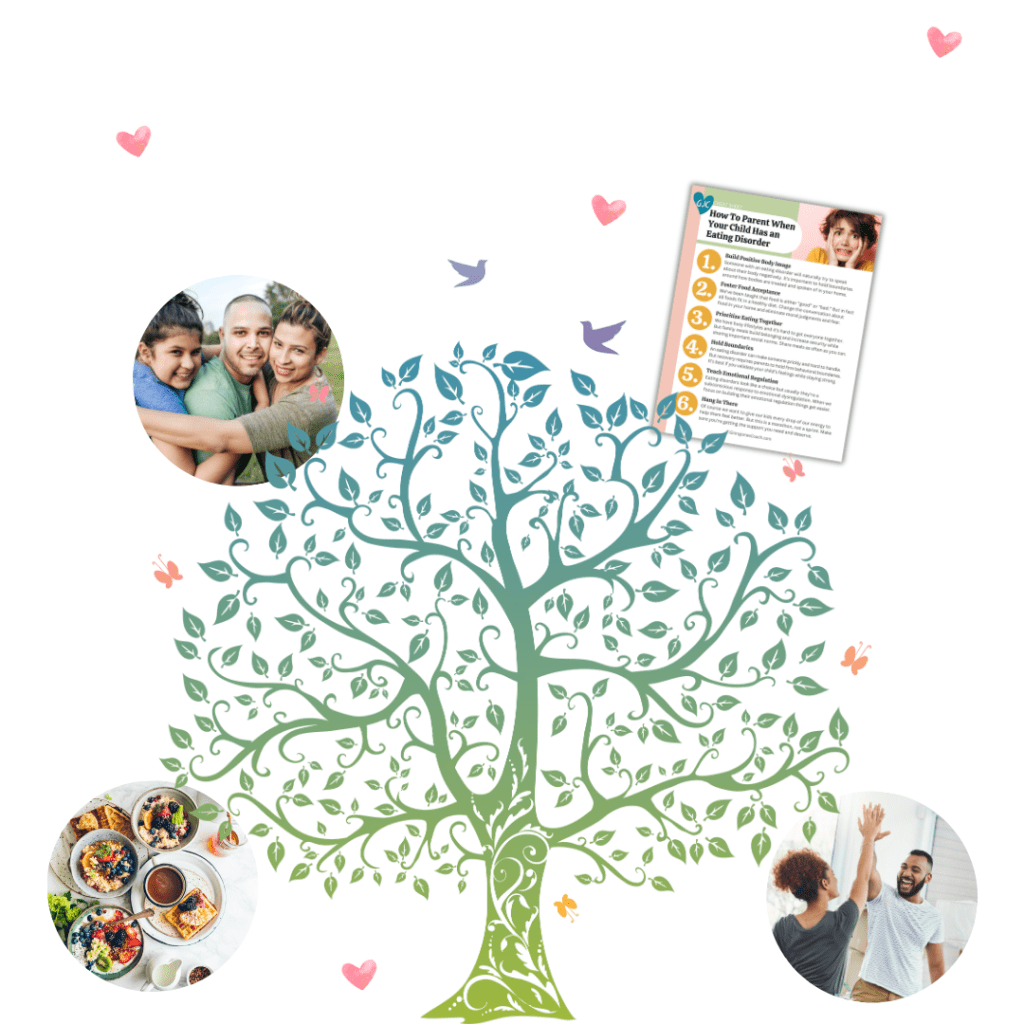
Free Guide: How Parents Can Help A Child With An Eating Disorder
Master the secrets to supporting a child with an eating disorder. Thousands of families like yours are stronger today because of these six vital lessons drawn from lived experience, best practices, and extensive study.
Sending a care package to an eating disorder treatment center
Eating disorder treatment facilities are a place where eating disorder recovery takes place in a managed care setting. These facilities make an effort to make the living conditions home-like. But just like any situation when you’re away from home, it can feel a bit institutional, and it’s nice to receive packages.
If you’re thinking of sending a care package to a person in an eating disorder treatment facility, it’s a good idea to call the facility and ask about their policies first. Unfortunately, not all facilities accept care packages, and many will check the package before it is given to the person in care. It’s best to know what you can and cannot do before you start putting a care package together.
But if you can send a care package, then I recommend that you do. Everyone I’ve spoken to who received a care package during eating disorder treatment was grateful and appreciated the thought and care. A care package is a great way for family members, loved ones, and friends to connect with a person while they are recovering from an eating disorder. They are a great way to remind someone that you are thinking about them, love them, and support their recovery.
Great care package ideas for eating disorder recovery
I asked people who have been in eating disorder treatment what they want. Here’s what they said:
Art/Craft Supplies
- Sketchbook/Pads of art paper
- Gel pens
- Markers
- Watercolors
- Colored pencils
- Coloring books
- Macrame yarn/thread/string
- Knitting/crochet/embroidery supplies
Boredom/Anxiety Management
- Word searches/Crossword puzzles
- Puzzles
- Fidget spinners
- Silly putty/slime/play dough
- Stress ball
- Slinky
- Rubik cube
Comfort
- Fuzzy/soft/cute socks
- Slippers
- Bath/shower bombs
- Lotion
- Lip balm
- Aromatherapy necklace

Just like home
- High-quality pillowcase
- Stuffed animals
- Cozy blanket
- Fairy lights
- Small succulent plant
Writing
- Emotional Regulation Worksheets
- Journal
- Gel pens
- Stationery and stamps
- Stickers
Personal
- Letters, postcards, and cards
- Avoid requests to “hurry home” or “get better soon.” Instead focus on messages like “I’m proud of you,” “I’m rooting for you,” etc. Funny and corny are good choices, too!
- Avoid images of food or bodies, which may be triggering.
- Photos of loved ones, pets, and favorite places
- Avoid images of the person in recovery. Remember that they may be sensitive to their appearance.
- Personalized pillow or blanket. For example, add a custom quote or favorite pet’s face.
- Paint/design a personalized inspirational message
- A souvenir from a favorite place you have traveled together. For example, a miniature Eiffel Tower, London Bridge, snowglobe, etc.
Restricted Items
- Food and drink items are typically restricted.
- Each treatment center may have items that they do not allow residents to receive. It’s a good idea to check with the treatment center before sending a care package to ensure delivery.
⭐⭐⭐⭐⭐
Free Guide: How Parents Can Help A Child With An Eating Disorder
Master the secrets to supporting a child with an eating disorder. Thousands of families like yours are stronger today because of these six vital lessons drawn from lived experience, best practices, and extensive study.
Wrapping and delivery
One of the best parts of getting a package in the mail is unwrapping it! It’s so exciting to get a gift! Therefore, here are some ideas for getting creative:
- Wrap the gift in gift wrap with a bow
- Add confetti or glitter to an envelope
- Add stickers on the outside of the envelope or package
- Find a pop-up card, card with googly-eyes, or a singing card
- Use a map of a favorite place, like Disneyland, London, or your home neighborhood, as wrapping paper
- Use sheet music of a favorite song as wrapping paper
- Enclose a personal voice recording or recording of a favorite song
- Have a cousin, niece or nephew draw a picture on the wrapping paper
What to write in a card to someone who has an eating disorder
Once you have planned everything for the gift or care package, the final touch is a card or note. But what can you say to a person who has an eating disorder? And are there things you should not say? Here are some ideas for what to write in a card:
- I’m thinking of you and can’t wait to see you again!
- I’ll always remember when you/we …
- We’re all behind you and support you
- I believe in you
- This is hard, and I’m so sorry
- I’m here for you
- Call or write to me anytime
- I’m so proud of you
- We’re looking forward to having you back home when you’re ready
- Can’t wait to watch Riverdale with you for the thousandth time!
These may be obvious, but here are a few things not to say in a card to a person who has an eating disorder:
- Can’t wait to eat cake with you again!
- I wish you weren’t there
- It’s ridiculous that you’re there
- Hope they aren’t being too mean – haha
- We’re having tons of fun without you
- I found someone else to do things with
- I started a new diet and lost a ton of weight
- So much has happened since you left
What to expect
Eating disorder treatment is extremely difficult. A person in an eating disorder treatment facility is being treated for a very serious illness. They are likely not happy to be there, and are often grumpy, irritable, and frustrated with what is being asked of them in treatment.
Therefore, even if you send an amazing, perfect care package to them. Even if you wrap it delightfully and find the ideal card to let them know you’re thinking about them and care about them. They still might feel grumpy, irritable, and frustrated.
It’s important to keep your expectations realistic. The most perfect care package in eating disorder recovery can’t counteract the stress of undergoing treatment. Try not to take it personally if the person you love isn’t able to thank you in a way that makes you feel good. Instead, remind yourself that the gift you send is part of an ongoing relationship, and it means a lot that you thought to do it, so thank you!
⭐⭐⭐⭐⭐
Free Guide: How Parents Can Help A Child With An Eating Disorder
Master the secrets to supporting a child with an eating disorder. Thousands of families like yours are stronger today because of these six vital lessons drawn from lived experience, best practices, and extensive study.
Understanding eating disorders
A care package is a wonderful way to show someone that you care. But the greatest gift you can give a person in recovery is your understanding and acceptance. Our society is very uncomfortable with eating disorders. It can feel very lonely to have an eating disorder even though they are fairly common.
Disordered eating is common
Recent estimates say eating disorders impact about 10% of the population. But disordered eating, which is a milder but still serious form, is very common. Estimates put it at up to 80% of the population. Above all, knowing that disordered eating is common can help you be more understanding of your loved one.
Disordered eating is societally driven
There are many factors that contribute to an eating disorder. But we cannot ignore the fact that our diet culture drives many of the behaviors and drivers of eating disorders. Therefore, understanding the societal drivers of eating disorders can help you be more compassionate towards your loved one.
Eating disorders heal in community
While eating disorders are often treated privately and in eating disorder treatment centers, the healing takes place in the community. Every person needs to eat, and eating is a part of our social fabric. When neighbors, friends, and loved ones understand eating disorders, they are less likely to make unintentionally hurtful comments. In other words, when communities commit to understanding eating disorders, they are healthier for everyone.
Whether it’s your child, a friend, or a loved one, learning about eating disorders will help them recover. Your understanding and compassion will go a long way to creating the community they need to thrive!

Ginny Jones is the founder of More-Love.org, and a Parent Coach who helps parents who have kids with eating disorders.
See Our Eating Disorder Treatment Guide For Parents
Discover more from More-Love.org
Subscribe to get the latest posts sent to your email.