
Understand the complex causes of eating disorders in children and teens, and how parents can become powerful allies in recovery.
Eating disorders are complex, multi-faceted conditions, and every child’s experience is unique. There is no single cause, but understanding the biological, psychological, and social factors that contribute to these disorders helps parents become powerful allies in recovery.
In the past, parents were often blamed for their child’s eating disorder and excluded from treatment. This was a tragedy. Parents do not cause eating disorders. In fact, skillful parental involvement improves treatment outcomes.
While you cannot change the factors that contributed to the eating disorder, understanding them helps you provide support, advocate for your child, and navigate recovery with confidence.
Eating Disorders Are Biopsychosocial
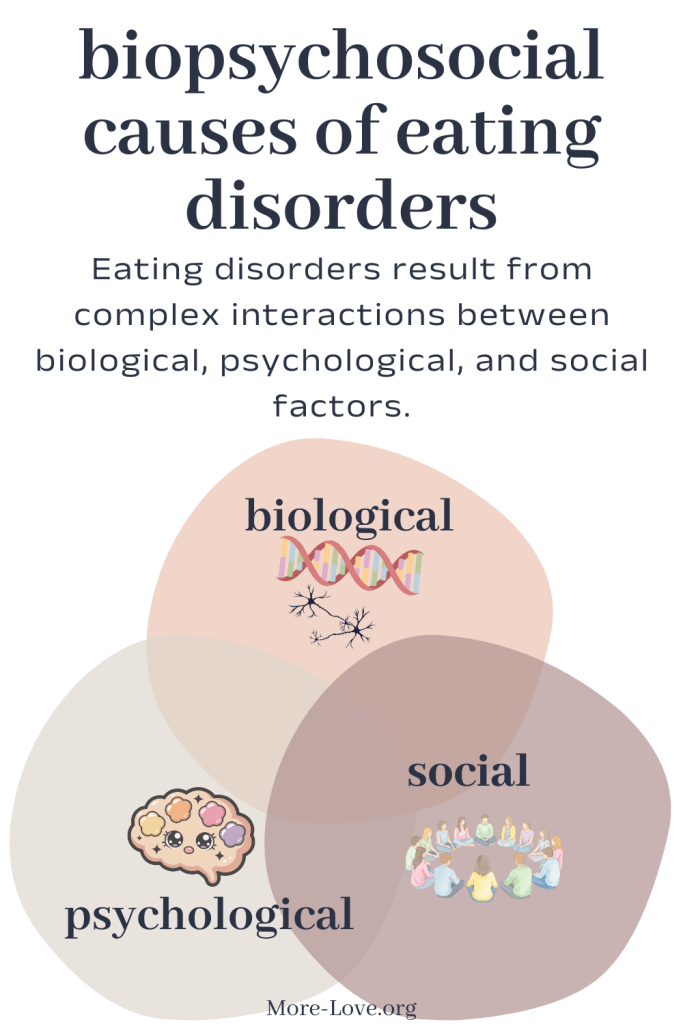
Eating disorders are “biopsychosocial,” meaning they arise from a combination of:
- Biology – genetics, brain chemistry, and neural wiring
- Psychology – personality traits, coping mechanisms, and co-occurring mental health conditions
- Social factors – family dynamics, cultural pressures, and societal attitudes
For example, your child may have a biological predisposition for an eating disorder. They may also experience anxiety or depression, and live in a society that reinforces weight stigma and diet culture. No single factor alone causes an eating disorder, but knowing the contributing factors helps you identify the right support and treatment.
Biological Causes of Eating Disorders
Understanding the biological roots of eating disorders can help parents recognize that these behaviors are not a “choice,” but rather an adaptation or coping mechanism that your child has developed to manage distress.
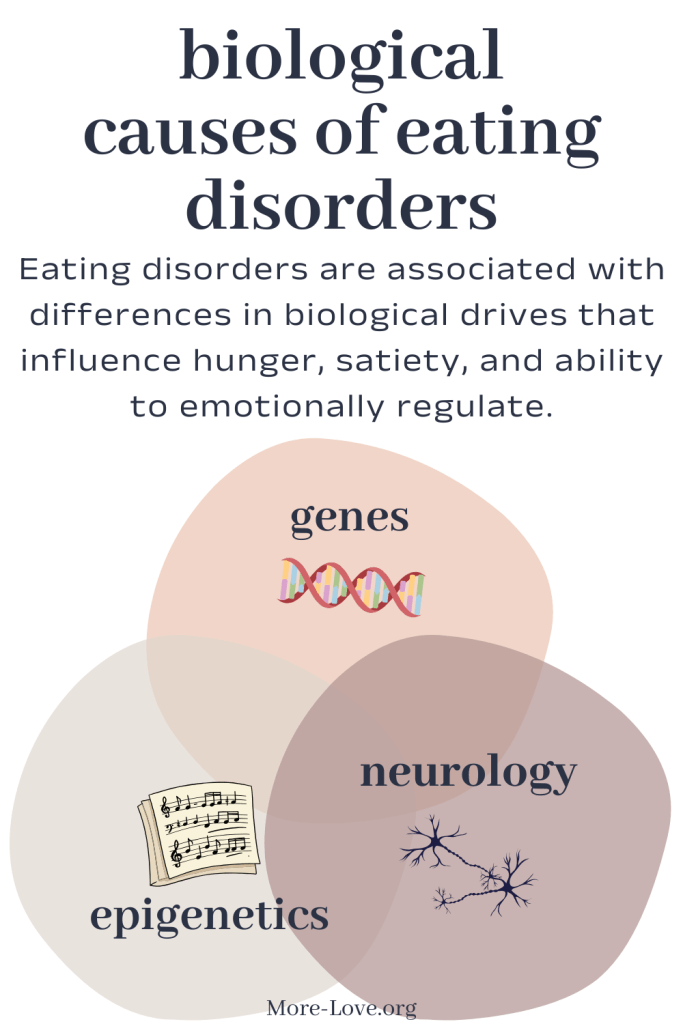
1. Genes
Research shows that certain genes increase susceptibility to mental health conditions, including eating disorders. This genetic predisposition partly explains why eating disorders often co-occur with anxiety, depression, or substance use disorders.
Recent studies have identified differences in the frontal cortex and subcortical brain structures, which influence hunger, satiety, and emotional regulation.
2. Epigenetics
Epigenetics refers to how environmental factors can activate or silence genes. Childhood trauma, neglect, or prenatal stress can trigger genetic vulnerabilities, potentially across multiple generations.
3. Neural Pathways and Neuroception
Neuroception is your body’s inborn ability to sense safety or danger. Children with highly sensitive neural wiring may be more reactive to stress, emotionally dysregulated, and prone to eating disorder behaviors as a coping mechanism. Parents can help by providing consistent safety, attunement, and guidance, which supports emotional regulation development.
Psychological Causes of Eating Disorders
Eating disorders often exist alongside other mental health conditions. Understanding the psychological factors helps parents support their child in addressing both the eating disorder and underlying mental health needs.
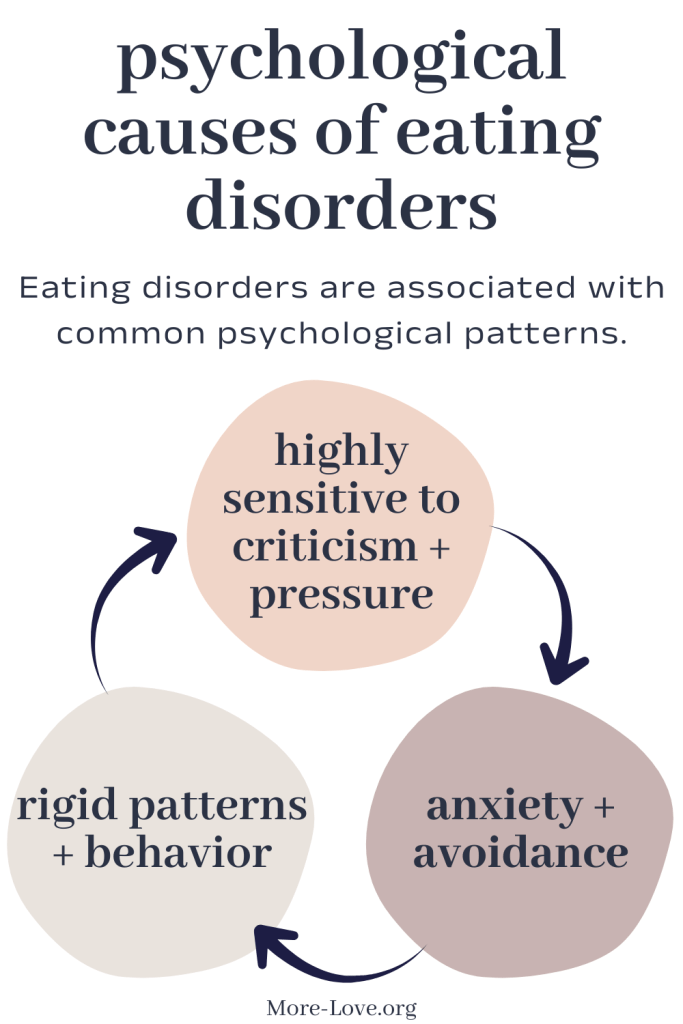
1. Personality and Coping Styles
Some children have personality traits that make them more vulnerable to eating disorders:
- Perfectionism
- Obsessive or compulsive tendencies
- Highly reactive emotions
- Avoidance of uncomfortable feelings
Repeated eating disorder behaviors can reinforce psychological patterns, making the disorder “sticky” and self-perpetuating.
2. Co-Occurring Mental Health Conditions
Eating disorders frequently co-occur with conditions such as:
- Anxiety or OCD
- Depression
- ADHD or autism
- PTSD, self-harm, or suicidality
- Substance use disorders
A holistic treatment approach that addresses all co-occurring conditions is most effective.
3. Beliefs and Reinforcement
Many eating disorders are built upon beliefs about worthiness, appearance, and control. For example:
- “I must be thin to be loved.”
- “Eating carbs/fat is bad.”
Eating disorder behaviors are reinforced because they temporarily reduce distress. Unfortunately, this reinforcement strengthens the disorder over time.
Social Causes of Eating Disorders
Eating disorders are highly responsive to social conditions, including family dynamics, cultural pressures, and societal attitudes.
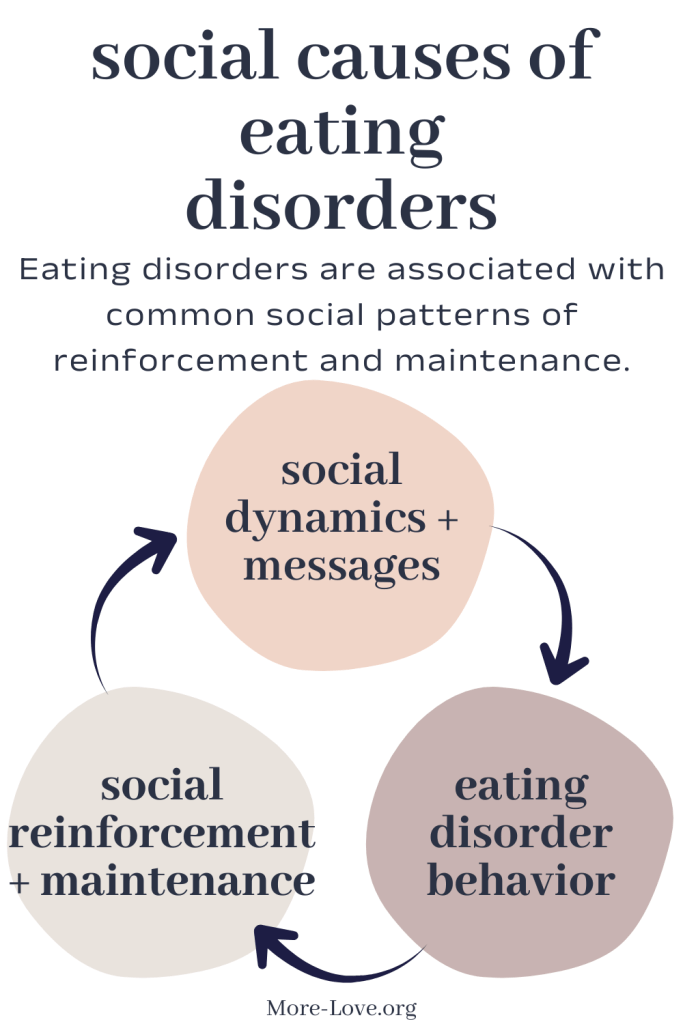
1. Attachment Security
Children develop an emotional attachment to caregivers. Secure attachment provides a foundation for emotional regulation, while insecure attachment can contribute to vulnerability. Insecure attachment is not anyone’s fault, and it can be improved through intentional parenting skills.
2. Family Dynamics
Healthy family systems balance belonging and individuation. Dysfunctional dynamics, such as role confusion, poor boundaries, or high conflict, can exacerbate eating disorder behaviors.
3. Social Attitudes and Marginalization
Weight stigma, diet culture, racism, sexism, and discrimination increase the likelihood of eating disorders. Children who belong to marginalized groups often face higher risk and under-treatment.
4. Social Support Structures
Lack of community support, overburdened parents, and societal pressures all contribute to mental health challenges. Parents can counteract these risks by creating supportive, structured environments at home.
Warning Signs of Eating Disorders
While weight changes can be one sign of an eating disorder, it’s important to remember that very few eating disorders are identified through weight alone. In fact, underweight anorexia is one of the rarest presentations of eating disorders. Most eating disorders are invisible, meaning they don’t show up in body size or shape. Parents can instead look for a variety of warning signs: emotional, behavioral, and relational.
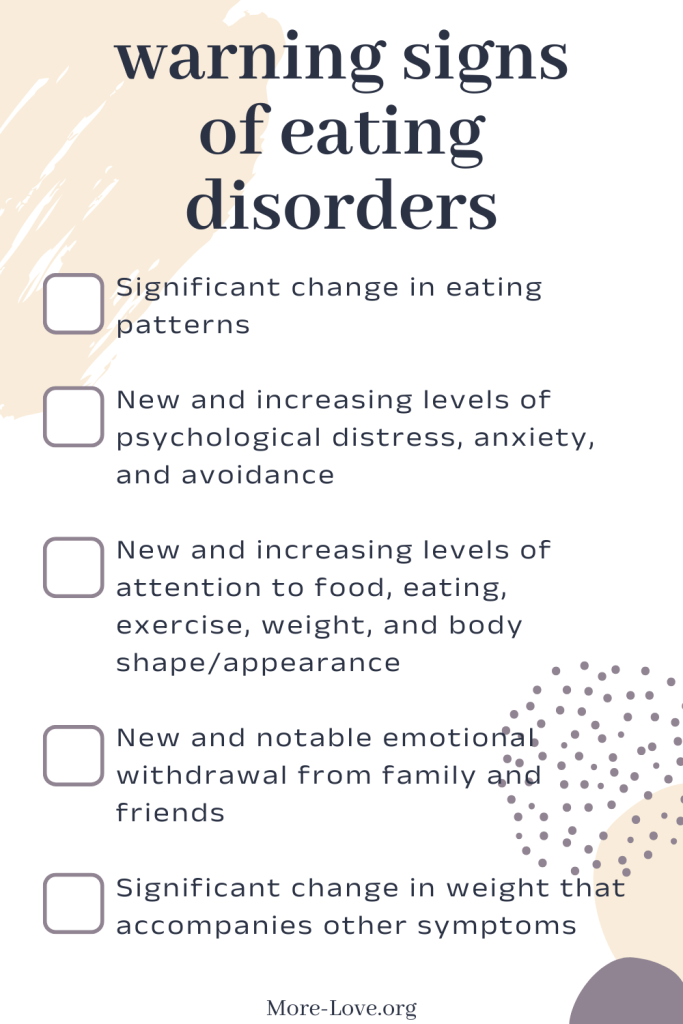
These might include increased food-related anxiety, withdrawal from social activities, changes in mood or sleep, rigid routines around eating or exercise, or heightened body dissatisfaction. Recognizing that eating disorders occur in people of all weights, genders, and backgrounds helps parents respond sooner and more effectively.
Parents should look for:
- Restricting or binge eating
- Obsessive focus on weight, calories, or “clean eating”
- Rapid weight loss or fluctuation
- Emotional withdrawal or avoidance of meals
- Excessive exercise or compulsive behaviors
Early recognition and intervention are crucial. If you notice any shifts in your child’s eating, mood, or behavior that concern you, trust your instincts. Parents are often the first to sense when something isn’t right, even before professionals recognize the signs.
Reaching out for support, whether that’s scheduling a medical evaluation, consulting a therapist, or connecting with a parent coach, can make a significant difference in recovery outcomes. You don’t have to wait for things to get worse before seeking help; early support can interrupt harmful patterns and set the stage for healing. Remember, your care and attention are powerful tools in helping your child find stability and safety again.
How Parents Can Support Recovery
While you cannot change what caused the eating disorder, you can influence recovery outcomes:
- Communicate openly and without judgment
- Model balanced, healthy eating
- Reduce family stress and promote emotional regulation
- Advocate for holistic, evidence-based professional treatment
- Educate yourself to understand the interplay of biology, psychology, and social factors
Parents are powerful allies. Your understanding, support, and advocacy can make a profound difference in recovery. You don’t need to have all the answers to help your child heal, you just need to stay present, curious, and compassionate.
Listen more than you fix, and focus on creating a sense of safety and trust at home. Model calmness and flexibility around food, bodies, and emotions.
Even when recovery feels slow or uncertain, your steady, nonjudgmental presence shows your child that they are not alone in this process. Your belief in their ability to heal is one of the most powerful interventions there is.
Resources for Parents
- National Eating Disorders Association (NEDA)
- Academy for Eating Disorders (AED)
- Parent coaching and support networks for families navigating eating disorders
Conclusion
Eating disorders are complex, multi-layered, and deeply personal. They are not caused by parents, but parents are essential to recovery. By understanding the biological, psychological, and social causes, you can approach your child’s recovery with confidence, compassion, and clarity.
Recovery is possible, and parents who understand the causes are powerful allies in helping their child reclaim health and well-being.
FAQ: Causes of Eating Disorders in Children and Teens
Do parents cause eating disorders?
No. Parents do not cause eating disorders. These conditions are the result of complex interactions between biological, psychological, and social factors. While family dynamics can influence recovery, parents are powerful allies, not the cause. Learn how parents can support recovery
Why do kids develop eating disorders?
Eating disorders develop from a combination of factors, including:
- Genetic predisposition
- Personality traits or mental health conditions
- Environmental factors like family dynamics and societal pressures like diet culture, weight stigma, or marginalization
Understanding these causes helps parents provide effective support. Read more about the social causes of eating disorders
Can eating disorders be prevented?
There is no guaranteed way to prevent an eating disorder, but early education, healthy family dynamics, and supportive environments can reduce risk. Promoting body positivity, emotional regulation skills, and open communication helps children develop resilience. See our tips for parents on supporting healthy body image
How do I know when to seek professional help?
Seek help immediately if your child:
- Shows extreme restriction, bingeing, or purging
- Has rapid or extreme weight changes
- Avoids meals or social situations
- Exhibits severe anxiety, depression, or self-harm
Early intervention is key. Professionals can assess both eating disorder behaviors and co-occurring mental health conditions. Call emergency services if your child is in immediate danger. Check out our professional directory if you’d like to find someone who can help.
What role do genetics and brain biology play?
Genetics can increase susceptibility to eating disorders, and brain differences may affect appetite regulation, emotional control, and stress response. However, genes alone do not cause eating disorders; environmental triggers, trauma, and psychological coping patterns play a crucial role.
How can parents help without making things worse?
Parents help most by:
- Avoiding blame or judgment
- Creating a safe, supportive environment
- Reducing stress at home
- Seeking professional guidance and evidence-based treatment
- Getting help for themselves to learn how to parent through an eating disorder
Skillful involvement empowers recovery and improves treatment outcomes. Learn how parents can support recovery
Are some children more at risk due to social pressures?
Yes. Social factors like diet culture, weight stigma, bullying, discrimination, and marginalization can increase vulnerability. Children from marginalized groups, including those who are queer, transgender, or part of a racial minority, may face higher rates of eating disorders and underdiagnosis. Read about social causes of eating disorders
Can co-occurring mental health conditions affect recovery?
Absolutely. Anxiety, depression, OCD, ADHD, autism, PTSD, and other mental health conditions often co-occur with eating disorders. Recovery is most effective when treatment addresses both the eating disorder and any underlying or co-occurring conditions. Explore psychological causes of eating disorders