

A guide for parents about body image and eating disorders
Negative body image is both a symptom of and a risk factor for eating disorders. And the worse the dissatisfaction, the greater the risk. This is really unfortunate since most kids, teens, and adults are dissatisfied with their bodies.
Our kids are taught to have a negative body image from a young age, and this dissatisfaction often gets worse with time. A common belief is that body image will be improved by losing weight, but this is not the case. In fact, dieting makes body image worse!
Negative body image and eating disorders are closely linked, but luckily there is a lot parents can do to support kids in developing a better body image.
Parent-Friendly ❤️ Neurobiology ❤️ Attachment ❤️ Non-Diet ❤️ Health At Every Size®
A negative body image means that you feel bad about your body and the way it looks. Since bodies are such an important part of how others perceive us and how we perceive ourselves, most people who have negative body image also have a negative sense of self.
Kids can’t separate their sense of who they are as a person from their body. Therefore, negative body image equals negative self-worth. That’s why having a negative body image is associated with higher rates of anxiety, depression, and eating disorders.
A positive body image is associated with better self-esteem and mental health. But as if that weren’t enough, positive body image is linked to healthy lifestyle behaviors. These include better social relationships, nutrition, and exercise habits. Here are some things to know about body image when your child has an eating disorder.
Negative Body Image And Eating Disorders

Body dissatisfaction is both a symptom of and a significant risk factor for eating disorders, and the worse the dissatisfaction, the greater the risk.
We live in a body-conscious society that is cruel to bodies, especially larger ones. Kids of all sizes live in fear of getting fat and believe they are bad when they gain weight. The obvious consequence of our body-negative culture is eating disorders.
In addition to eating disorders, body dissatisfaction is associated with high levels of emotional distress, poor mental health, unhealthy weight control behaviors and extreme methods of altering appearance, such as cosmetic surgery and steroid use.
Causes of Negative Body Image

People assume that body image is determined by weight status, but it’s not. Smaller people can have terrible body image and larger people can have healthy body image. Common causes of negative body image include:
- The societal belief that weight and health are the same thing (it’s not) and that weight is mostly within individual control (it’s not)
- Parents and other adult family members who glorify thinness and weight loss and criticize people who gain weight and/or are in larger bodies
- Siblings, cousins, and peers who gossip, tease, and bully kids about their weight and worry about gaining weight
- Schools, teachers, coaches, and doctors who promote weight stigma and diet culture
- Media and social media that objectify bodies, promote a narrow body ideal, and teach weight loss “hacks”
Parents have a big influence on our kids’ body image. For example, 5-8-year-olds who think their parents are unhappy with their bodies are more likely to feel dissatisfied with their own bodies. Therefore, healing your own body image is essential to your child’s recovery.
Body Bullying

Being teased about weight, especially by parents and family members, increases the risk of eating disorders. Even well-intended comments can be perceived as hurtful by your child.
Additionally, talking about weight negatively increases a person’s risk of eating disorders and weight gain. When parents talk about weight negatively, kids are more likely to engage in dieting, unhealthy weight-control behaviors, and binge eating.
Parents need to make sure they are not their kids’ body bullies and stop negative weight talk. If your child is in a larger body, help them build a strategy for responding to body bullying. Be assertive on their behalf in your home and during family events. Intervene at school if appropriate. And teach your child assertive responses to body bullying so they are empowered to stand up for themselves.
How To Help
Parents have a big impact on kids’ body image. The first thing to do is make sure that body shaming does not happen at home. Nobody in your home or within your sphere of influence should be permitted to tease, bully, or shame your child or anyone else for their body size and shape. You need to have a zero-tolerance policy for body shaming.
Learn about weight stigma and the truth about diet culture. This can be a massive restructuring of your beliefs. Try to enter the process with an open mind and the understanding that we’ve all been fed a steady diet of body hate. It’s not our fault that we think these things!
But the truth is that body acceptance leads to practicing more healthy activities like eating well, exercising, getting enough sleep and, above all, having meaningful social connections. These behaviors improve health regardless of weight status.
Body Bashing

If your child has an eating disorder they may engage in extended conversations with you about their weight and body concerns. This is called body bashing, and it’s a common symptom of an eating disorder.
Well-meaning parents often believe they must respond to body bashing by reassuring their child that they are beautiful, “not fat,” and perfect. This response, while perfectly understandable, has the unintended consequence of reinforcing the eating disorder.
Instead, parents need to validate their child’s feelings about themselves and their body without perpetuating harmful weight stigma. This takes practice, but it’s something every parent can learn, and it will go a long way to helping your child recover from their eating disorder.
A Policy of Body Respect

If your child with an eating disorder has negative body image, you need to take active steps to improve body image in your home. We suggest implementing a Policy of Body Respect.
Body Respect: Bodies come in different shapes and sizes, and all people – of all sizes – are worthy of dignity & respect.
Self Respect: We speak about our own bodies with respect, and we don’t criticize or speak cruelly about our bodies.
Respect For Others: We speak about other bodies with respect, and we don’t criticize or speak cruelly about other bodies.
Family Boundaries: As your parent, I will do my best to protect you from body shaming. I will respectfully speak up when I witness body shaming inside and outside this house.
Get a free copy of these principles out and post them in a prominent place.
Articles About Body Image And Eating Disorders

Helpful ways parents can improve girls’ body image
“My body image has been terrible my whole life, and now I see the same thing happening with my girls,” says Liz. “I want to improve my daughters’ body image, but it feels impossible sometimes.” Liz isn’t alone. Negative body image is a major issue, particularly for girls. One survey of 11–16-year-olds found that 79%…
How to talk about your daughter’s body
Many parents wonder how they can talk about their daughter’s body without hurting her body image. I’ve come up with some guidelines for what to say and what not to say when you talk about your daughter’s body. I’ve also included the three things you should also be talking about that will impact your daughter’s…
You’re wearing that?!
How to avoid power struggles over clothes Getting dressed should not be a battleground, and most of the time you don’t need to get into power struggles about clothes. Power struggles over clothes can result in the following side effects for our kids: The first and most obvious reason for this is that your child’s…
Parents are kids’ default body image educators
Whether we like it or not, parents are our kids’ default body image educators. This means that even if we never intentionally address body image with our kids, they’re still learning from us. It’s a little overwhelming to think about, but it’s also empowering. We can make a huge impact on how our kids feel…
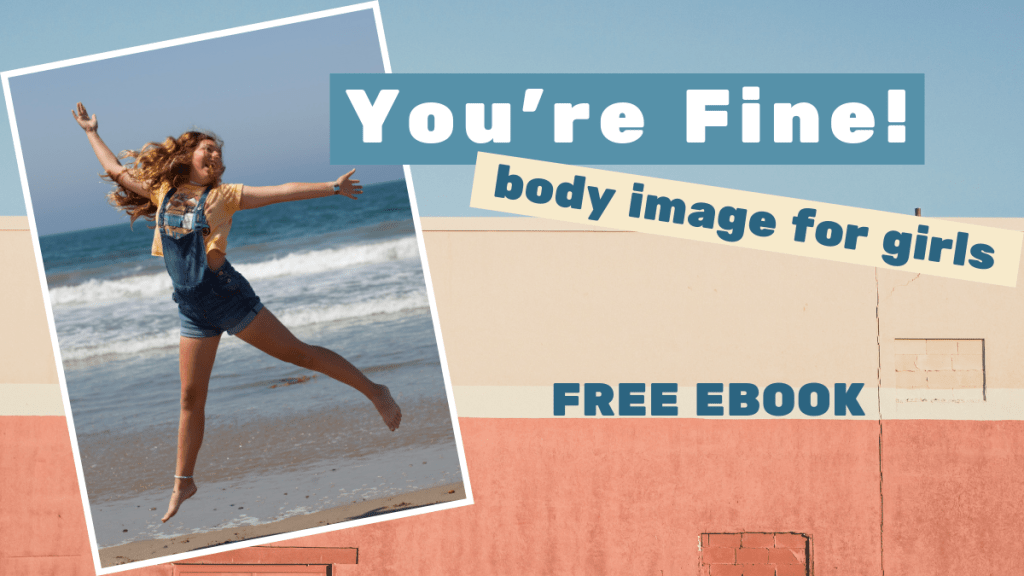
Raise Confident Girls: Get This Powerful Free eBook on Body Image Today
Girls today are growing up in a world filled with pressure to look a certain way, and it’s taking a serious toll on their self-esteem. As a parent, you want to protect your daughter from harmful messages about her body and help her build lasting confidence. That’s why we created You’re Fine! Body Image for…

How to handle body shaming in school – a guide for parents
Body shaming in school can deeply affect a child’s self-esteem, mental health, and overall well-being. As a parent, learning how to recognize, address, and prevent body shaming is essential to protect your child and foster a positive body image. This guide offers practical advice on how to support your child, communicate effectively with teachers and…
Something went wrong. Please refresh the page and/or try again.

Non-Diet/Health At Every Size® Fact Sheets, Guidelines, and Scripts
The BEST WAY to raise a HEALTHY child/teen free from body hate and dangerous eating patterns!
- Fact Sheets About Weight Stigma, Diet Culture, Kids and Diets, and More
- Non-Diet Parent Guidelines
- Non-Diet Parent Scripts About Responding to Fat Talk, Diet Talk, and More
- What to Say/Not Say When Talking About Bodies and Food