

Posted on Leave a comment

Helpful ways parents can improve girls’ body image

Helpful ways parents can improve girls' body image

โ€œMy body image has been terrible my whole life, and now I see the same thing happening with my girls,โ€ says Liz. โ€œI want to improve my daughtersโ€™ body image, but it feels impossible sometimes.โ€

Liz isnโ€™t alone. Negative body image is a major issue, particularly for girls. One survey of 11โ€“16-year-olds found that 79% said how they look is important to them, and over half (52%) often worry about how they look.

Poor body image is associated with many negative health outcomes, from anxiety and depression to eating disorders and suicidality. Given this, Liz is right to worry about her girls and it makes sense to find ways to improve their body image as much as possible.

Luckily, there is a lot that parents can do to improve girlsโ€™ body image.

How to help a girl with body image issues

To get some help with this topic, I spoke with Amelia Sherry, MPH, RD, CDCES, founder of NourishHer.com and author of Diet-Proof Your Daughter: A Mother’s Guide to Raising Girls Who Have Happy, Healthy Relationships with Food and Body. She knows personally how hard it is to navigate body image issues when raising daughters. 

โ€œWhen my own daughtersโ€™ bodies started changing in preparation for puberty, it triggered a lot of emotion in me ,โ€ she says. โ€œAnd seeing my discomfort with those changes made me realize that I still had  a lot of work to do with regard to my own body image issues. I had to remind myself that weight gain, particularly in adolescent girls, was perfectly normal and perfectly healthy. โ€

โ€œAs a dietitian, I knew the โ€œrightโ€ things to say and do in terms of allowing them to eat food they enjoy and eat as much as they need to feel full and satisfied,โ€ says Amelia. โ€œBut because of my own history with disordered eating and dieting, trusting them with food and giving them that freedom didnโ€™t come naturally. It was challenging, and a lot more triggering and a lot more emotional than I realized it would be.โ€

At least as far back as middle school, Amelia remembers feeling judged and criticized about her body. โ€œI was chubby, so I started dieting and trying to lose weight,โ€ she says. In high school she experimented with purging, and in college she used exercise to control her weight. 

Luckily for Amelia, when she started living on her own and feeling less judged, she started resolving her relationship with food and her body. Healing her relationship with herself led her to become a dietitian who helps families develop positive, happy relationships with food.

How to improve girls’ body image and self-esteem

After helping her own daughters get through puberty with their body image and a set of positive eating skills intact, Amelia started using the same framework to help other mothers who have a history of disordered eating do the same. Here are her five  top tips for improving body image and self-esteem in girls:

1. Trust girls to eat as much or as little as they like

Encourage girls to listen to their bodies as opposed to taking information about how much to eat from the outside world. We can show our trust by avoiding commenting on how much they are eating. And if our daughters’ eating or appetites make us uncomfortable, we can look inward to ask ourselves why. 

2. Accept our daughters’ natural body size and shape

Being accepting of their appetites as well as their food likes and dislikes. That doesn’t mean we avoid exposing them to new foods or offering balanced meals, by the way. 

3. Rethink what it means to be a healthy eater

We have been conditioned to think of healthy eating as eating in a way that controls our weight. However, when we understand that body weight is not an indicator of health we allow ourselves and our daughters to eat in more relaxed, confident ways as opposed to being restrictive and fearful. 

4. Be aware of the influences and pressures our daughters are under

From social media and peers, to diet culture and health culture. Teaching them to be critical thinkers, and conscious consumers of media can help them avoid ramping up their own body dissatisfaction. We can also protect our daughters from dieting by being aware of the influences in our own lives as a parent, such as the pressure to raise a perfect eater. 

5. Keep nutrition simple

Emphasizing the importance of getting enough to eat and eating variety–more diversity means more nutrients–as opposed to focusing on complex information and avoiding foods and food groups and specific nutrients can help protect our daughters from diets. Teaching them to be skeptical of eating fads and trends as well as being aware of the dangers of dieting is essential too. 

What do you say to your daughter with body image issues?

Itโ€™s very common to praise little girls for their looks. Whether you call your daughter beautiful or cute, appearance-based praise can work against positive body image because it reinforces the idea that girls and women are valued primarily for their appearance. 

โ€œNon-looks-based compliments boost our kids’ resilience against dieting, disordered eating, body comparison, and body dissatisfaction,โ€ says Amelia. โ€œSpecifically, I suggest we move away from saying things like โ€œyouโ€™re so cuteโ€ or โ€œyouโ€™re so prettyโ€ and instead say things that focus on who your daughter is and what sheโ€™s capable of.โ€

Here are some ideas for non-looks-based-compliments Amelia suggests:

  • I love that you’re not afraid to show your emotions
  • You’re really loyal to people you care about and I admire that!
  • I love that you feel comfortable enough to tell others how you feel.
  • I appreciate how brave you are when it comes to meeting new people.
  • You’re really good at being open to people who are different from you.
  • It’s awesome that you’re always willing to make a new friend.
  • I like how you choose to wear something comfortable – that was well thought out!
  • I’m so impressed that you’ve been getting to bed on time – that’s not always easy to do!
  • I admire how you listen to your body and eat as much or as little as feels right for you.

Social media and body image

Body image has always been tricky for girls in our society, but it has definitely gotten worse with the rise of social media. And while itโ€™s very challenging to change social media usage in kids, it can make a huge difference in their mental health and wellbeing. 

Teens and young adults who reduced their social media use by 50% for just a few weeks saw significant improvement in how they felt about both their weight and their overall appearance compared with peers who maintained consistent levels of social media use, according to research published by the American Psychological Association.

If youโ€™d like some more ideas about limiting your daughterโ€™s social media use, here are a few articles: 

Raising a diet-proof daughter

Dieting is the best predictor of eating disorders, which affect about 9% of the population and are the second-most deadly mental disorder. But dieting has many other negative health outcomes. For example, almost everyone who diets ends up weight cycling, which reduces cardiometabolic health

Amelia encourages families to raise diet-proof kids who will not fall prey to dangerous weight loss programs. โ€œWhen youโ€™re raising a diet-proof daughter, you’re teaching her to listen to her body, enjoy her appetite, take pleasure in food, and have a good perspective on eating and physical health,โ€ she says. โ€œYou want her to listen to herself, honor herself, respect her body and her needs, her pleasures and appetite. If you do that, sheโ€™ll find a good balance between good nutrition and self-care.โ€ 

โ€œElements of diet cultureโ€“such as cutting out specific nutrients or entire food groupsโ€“will put her health at risk, which is the exact opposite of what diet promoters and โ€œhealth gurusโ€ promise our girls,โ€ says Amelia. โ€œFeeding yourself is the ultimate act of self care. It’s the most basic thing, and it gets overlooked. So thatโ€™s what I want parents to focus on with their girls, making sure they are well fedโ€“that they get enough food and that they feel good about eating. This is the best way to make sure theyโ€™re well-nourished both physically and emotionally. I want families to raise girls who are able to eat without feeling judged. There are so many benefits to that.โ€

With these ideas and more, parents can do a lot to improve girlsโ€™ body image.


Ginny Jones is the founder of More-Love.org, and a Parent Coach who helps parents who have kids with eating disorders.
See Our Parent’s Guide To Body Image And Eating Disorders

Posted on Leave a comment

How to talk about your daughterโ€™s body

How to talk about your daughterโ€™s body

Many parents wonder how they can talk about their daughterโ€™s body without hurting her body image. Iโ€™ve come up with some guidelines for what to say and what not to say when you talk about your daughterโ€™s body. Iโ€™ve also included the three things you should also be talking about that will impact your daughterโ€™s body image and mental health. Combined, this advice will have a significant impact on how she feels about herself. 

What you can say about your daughterโ€™s body

There are a lot of wonderful things you can say that will increase your daughterโ€™s sense of worth and strength. But the fact is that female bodies are under tremendous pressure in our society. This means that when you talk about your daughterโ€™s body you need to be aware of the social pressures on her body and adjust your comments accordingly. This will help her grow into a strong, resilient, and self-aware person.

Talk about what her body does

The majority of your comments about your daughterโ€™s body should be related to what her body can do instead of what it looks like. For example, talk about how she uses her body to have fun, like turning cartwheels or running down a hill. Or you can talk about how she uses her body to get places and do things like walk to school, eat delicious food, and laugh with her friends. Her body is involved in all of those activities, and they have nothing to do with what her body looks like. When you talk about your daughterโ€™s body you should spend most of your time focusing on her bodyโ€™s incredible functionality. For example*:

  • Your legs were flying when you ran down that hill!
  • Iโ€™m really glad that youโ€™re able to walk to school every day and that your body is able to get you where you want to go.
  • Arenโ€™t you glad you have a tongue to taste this delicious ice cream?
  • Do your eyes see how delicious that pizza looks? I wonder if it tastes as good as it looks?

*My examples assume ability. Of course, not all bodies can do all things, and I acknowledge that.

Talk about how her body feels

It is a key skill for a woman to tune into whether she feels comfortable or uncomfortable, pleasure or discomfort. This is a skill that will keep her safe, healthy, and happy for life. You want her to be able to tune into her bodyโ€™s signals and trust herself to make good choices. 

Therefore, try to avoid telling her what her body should feel and whether she is comfortable or uncomfortable. Instead, be curious about her experiences of comfort and discomfort. Here are some ways you can talk about her bodyโ€™s comfort level and raise her self-awareness:

  • It looks like you feel uncomfortable in that shirt, is it itchy or scratchy?
  • Grandmaโ€™s hugs feel warm and cozy to me, how do they feel to you?
  • Iโ€™m sensing you might be cold, is that true?
  • Your body looks angry right now because your fists are clenched, is that true?
  • It seems like youโ€™re feeling worried because youโ€™re pacing around the room.
  • Would you like to hug Uncle Jeremy goodbye today?
  • Youโ€™re telling me your tummy is very full, which is uncomfortable. Letโ€™s just rest here together for the next 20 minutes and see how you feel.

Talk about how she looks

There will be (hopefully many) moments when your daughter seems like she is the most beautiful thing in the world. Itโ€™s OK to think your daughter is beautiful! Beauty is something we find in nature every day. The important thing to notice is that natural beauty is never perfect. It also isnโ€™t being marketed and sold to us. Unlike the beauty industry, which enforces harmful standards and extracts a hefty price, we donโ€™t have to pay for nature, and itโ€™s not selling us a solution to a manufactured problem. 

Look at your beautiful daughter as a part of nature. When you talk about your daughterโ€™s beauty, you should feel deeply that she is 

beautiful inside and out …

with, not in spite of her flaws …

and she does not need* to do anything to make herself more beautiful.

*she may choose to do things like dress up, use makeup, etc., but those should be choices she’s making, not compulsions she’s performing to seek worthiness.

But sometimes itโ€™s not a deep existential experience. You just want to give her a quick compliment and tell her sheโ€™s cute, adorable, or gorgeous. Maybe she looks great in that color, or her eyes are sparkling today. That’s OK, too! Just keep these compliments short and sweet. Avoid making them the main way you share your admiration of who she is.

What you should not say about your daughterโ€™s body

Unfortunately there are some major landmines when it comes to talking about your daughterโ€™s body. You should avoid talking about the following things:

Don’t talk about what she weighs

Body weight should be a neutral number, like height or shoe size. But of course thatโ€™s not the case. Decades of intense marketing and advertising have taught us that the higher a womanโ€™s weight, the less attractive and worthy she is. This is appalling, but itโ€™s the society we live in. 

Therefore, I typically advise parents to not talk about weight in any way unless they have been specifically coached in anti-diet, weight-neutral practices. This is because all of us need significant un-training in order to talk about her weight without stigma and shame.

Don’t talk about how she compares

Women are taught to compare body parts, outfits, and all aspects of their appearance to other women. They are taught there is a scarcity of love and worthiness that can only be attained through “winning” at beauty standards. Your daughter deserves to grow up knowing that she is worthy exactly as she is, and that she does not need to compete against others to earn your (or anyone’s) love.

Don’t compare your daughter’s body, beauty, weight, or appearance (positive or negative), to anyone else. Show your daughter that her body’s weight and appearance have nothing to do with her value by never comparing her body to another’s body.

Don’t talk about what she’s wearing

Your daughter will wear clothes that you donโ€™t like. Think very, very carefully about what you say about those clothes. Because her body should, first and foremost, belong to her (not you or anyone else). That means that what she puts on her body should almost always be up to her.

If you feel compelled to comment on what she’s wearing, take a breath. Think deeply about whether your comments about what she is wearing are necessary or helpful. Are they kind? Do they respect her as the sovereign ruler of her own body?

If you truly believe her clothes are โ€œinappropriateโ€ (look out for fatphobia and rigid gender norms here), you can make a simple statement. Say something like โ€œIโ€™m sorry, but Iโ€™m having a hard time with that outfit. I need to think about why itโ€™s hard for me in order to give you a good explanation, but right now Iโ€™m not comfortable with you wearing that to school.โ€ 

Only use this statement rarely. Trust that she will find her own path. Support her in wearing clothes that feel authentic to her unique self, not your vision of what you wish she would look like. Remember that fashion crimes are not criminal, and bodily autonomy is a basic human right.

The foundation of self-acceptance

The dos and don’ts of body talk are important. But it’s also important to build a foundation of body acceptance. Here are three essential steps to raising a daughter who doesn’t hate her body:

1. Watch how you talk about your body and other bodies 

Think carefully about how you talk about your own body and other peopleโ€™s bodies. Our kids learn from what we do more than what we say. So if you are criticizing your own body or talking negatively about other peopleโ€™s bodies, thatโ€™s a problem. 

Rigid and ridiculous beauty standards are fatphobic, sexist, and damaging to mental health. Eating disorders are skyrocketing, and anxiety and depression about weight and appearance are a major problem. Girls and women experience both at much higher rates than boys and men, making this an important thing to think about if you have a daughter.

Here are common things you might be tempted to say about your body that you should stop saying:

  • I canโ€™t wear that (subtext: itโ€™s not flattering/Iโ€™m too fat)
  • No way could I eat that (subtext: it will make me gain weight)
  • I canโ€™t leave the house without makeup (subtext: my natural face is unacceptable)
  • If I eat that I would have to spend the rest of the day in the gym (subtext: eating food requires compensatory behavior)

Here are common things you may be saying about other peopleโ€™s bodies that you should stop saying:

  • She looks amazing now! (subtext: because she lost weight/is thin)
  • That person just doesnโ€™t look healthy (subtext: they are fat and fat is bad)
  • Sheโ€™s let herself go (subtext: sheโ€™s gained weight and that’s bad)
  • How can she leave the house like that? (subtext: she’s not meeting societal beauty standards and she should)

Remember that even very young children (toddlers!) will pick up the subtext. Itโ€™s impossible to live in our society and not translate technically benign statements into fat-shaming and body-shaming. Your daughter is watching and listening to you all the time. For the sake of her long-term health, work on your own body image and weight stigma, and release outdated gender norms.

2. Build media literacy

Our society is cruel to bodies. Parents need to counterbalance this cruelty by teaching media literacy. These conversations need to happen early and often.

Sexism, fatphobia, and objectification are a significant part of our media landscape, and if you arenโ€™t talking about this, your child is picking up messages about beauty and how women are valued without your consent or input. You donโ€™t need to raise your child in a bubble, but you do need to actively counter-educate her about how the media influences what we think and believe.

At a minimum, you should talk to your daughter often about these concepts: 

  • Almost all advertisements, TV shows, movies, and social media posts involve heavy editing and filters. Even if they donโ€™t use filters, the person has likely spent hours perfecting their hair, makeup, and outfit, getting the right pose, and setting up professional lighting, etc. What you see on the screen almost never represents what a person looks like in real life.
  • Bodies, particularly womenโ€™s bodies are often used as sales tools. For example, an apartment building may use a photo of a woman in a bikini to advertise their apartments. This advertisement may appear next to another one featuring a man who is wearing a suit and tie. We need to ask questions about this. For example: why is the man wearing clothing but the woman is wearing almost none? Also notice that many times womenโ€™s bodies appear without their heads or even as individual body parts in order to sell products. This depersonalizes the female body and treats it as an object and a sales tool.
  • Just because someone on social media or TV says something is true does not mean it is true. Many times the person is speaking from personal experience, but that experience cannot be extended to you. Additionally, a lot of times the person is being paid or is hoping to be compensated when they promote products or services.
  • If something on social media or TV sounds too good to be true or promises a quick, easy fix, then itโ€™s probably not true. Most things in life are full of nuance and complexity.
  • Pay attention to diversity – or lack thereof. If everyone you see in the media is white, thin, heterosexual and cisgender, then adjust your media consumption, or at least talk about the problem.
  • Advertisements are successful when they create a problem that the product can solve. Therefore, media messages about โ€œproblemsโ€ are made up by advertising agencies. For example, wrinkles, weight, cellulite, and skin color are largely genetically predetermined. We have very little control over these features. The products designed to โ€œsolveโ€ the so-called problems are neither necessary nor do they work as promised.

3. Talk about her other qualities 

Spend the bulk of your time talking about your daughterโ€™s non-body qualities. This is really important, because the problem is not talking about your daughterโ€™s body, but rather talking about her body at the exclusion of her other qualities. Her body is a part of her, but she should not believe that her value and worth are based on her appearance.

In general, you should spend the majority of your time focusing on her non-body-based qualities. Body and appearance comments should be the small minority of what you talk to your daughter about.

Instead of focusing on your daughterโ€™s body, talk about her:

  • Creativity
  • Sense of humor
  • Kindness
  • Thoughtfulness
  • Attention to detail
  • Mental flexibility
  • Courage
  • Friendliness
  • Trustworthiness
  • Dependability
  • Grit
  • Passion
  • Purpose
  • Curiosity
  • Dedication
  • Adventurousness
  • Daring
  • Warmth
  • Loyalty
  • Open-mindedness

When you talk about these qualities, praise her for her behaviors, not the outcomes. This has been demonstrated in the research around the โ€œGrowth Mindset,โ€ which is that focusing on outcomes can raise a perfectionistic, rigid mentality. Outcome-based praise can also be de-motivating and spoil the joy of trying new things. Here are a few examples:

BehaviorOutcome
Itโ€™s really great that you put so much effort into your school project.Iโ€™m proud of you for getting good grades.
I love that youโ€™re putting so much creativity into your role in the play.Youโ€™re the star of the show!
You were very brave to try out for the softball team.You making the softball team is very important to me.

As with appearance, of course you can sometimes mention outcomes, but be sure that the majority of your praise is about the behaviors you admire.ย Navigating body image and eating disorders is difficult, but following these steps should help you raise a strong, confident person!


Ginny Jones is the founder of More-Love.org, and a Parent Coach who helps parents who have kids with eating disorders.
See Our Parent’s Guide To Body Image And Eating Disorders

Posted on Leave a comment

You’re wearing that?!

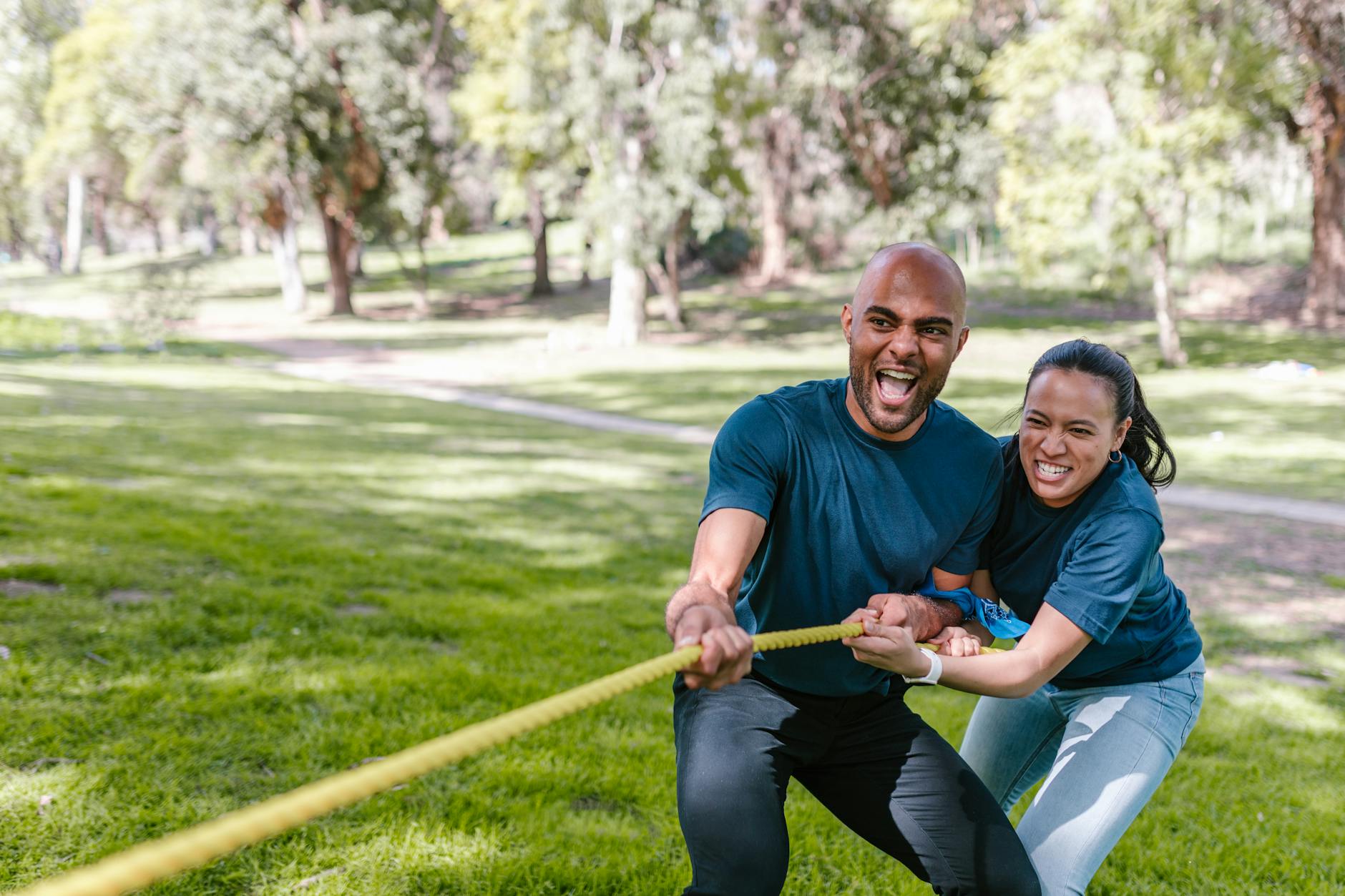
man and woman pulling a rope

How to avoid power struggles over clothes

Getting dressed should not be a battleground, and most of the time you don’t need to get into power struggles about clothes. Power struggles over clothes can result in the following side effects for our kids:

  • Low self-worth
  • Poor sense of self
  • Rebellion
  • Underdeveloped autonomy
  • Damaged parent-child relationship
  • Mental health issues, including eating disorders
  • Perpetuating unhealthy social norms

The first and most obvious reason for this is that your child’s body is their sacred property. It is theirs to own and care for. If we try to dictate what they wear, we can get into dangerous territory in which we cross personal boundaries, reinforce toxic beauty standards, and promote negative messages that impact self-worth. Since these are risk factors for eating disorders, we should avoid controlling or criticizing clothing choices whenever possible.

Getting dressed is personal. And it’s a chance for your child to safely explore and develop their identity and autonomy. Children who have a strong sense of self wear clothes that they enjoy, that are comfortable for them, and that allow them to express their individuality and/or membership in a group. These children grow into strong individuals who are not prey to the whims of beauty standards, the thin ideal, or other unhealthy societal messages.

Most of the time you don’t need to get into power struggles over clothes. You rarely need to tell your child what to wear. Instead, prioritize their comfort and preferences. Let them find and express their own individual style.

You don’t need to control clothing (most of the time)

It’s true that in some situations parents can make suggestions about kids’ clothes. But these are extremely rare. And clothes shouldn’t be a place to have power struggles, but rather a discussion, compromise, and agreement. Keep your boundaries and remember that their body is theirs, not yours.

Sure, younger kids may need more guidance about clothing in certain situations. But in the vast majority of situations, parents can and should let kids make their own choices about what to wear with minimal guidance.

Most of the time getting dressed is an issue you can leave up to your child. And the less you say about their choices, the less likely they are to rebel or struggle with perfectionism or identity issues.

Why not comment on what your kid wears?

If you’re thinking about making a comment about what your child is wearing, take a breath and think about why you’re doing it. What is your goal? Many times parental control over clothing comes from a desire to protect our child from social shaming. We believe that if we dress them the right way they will be liked by their peers and other adults.

That’s a worthy and understandable goal.

But the problem is that the most important person your child wants to be liked by is YOU. And when you try to control what they wear, they, unfortunately, begin to believe that what they wear is more important to you than who they are.

Another reason parents comment on kids’ clothing is because they are afraid that they (the parent) will be judged by friends, family, and society. In this case, your feelings are valid, but you need to manage your behavior and avoid crossing an important boundary between parent and child. You should not ask your child to solve a problem that is yours to handle. If you worry about being judged, figure out how to process and deal with your worry without imposing it on your child.

What we do matters more than what we say

You never have to say it or even think it consciously. But if you pay a lot of attention to what your child wears they will interpret your interest and attention to clothing as something that makes a big difference to how you feel about them.

Kids don’t hear what we say. They hear what we repeatedly do. So even if you say you love your child unconditionally, if you are commenting on their clothes often then you are showing them that appearance is very important to you.

They will either seek your approval by focusing on their appearance or they will rebel as soon as they can to prove to you that they get to do what they want to do with their bodies. Either way, they are building an identity based on what they perceive to be your perception of them rather than learning to look inside and learn about who they are.

Clothes are not the most important thing

The most important thing for parents to do is validate that their child is worthy and lovable exactly as they are. And we want them to build their own sense of self rather than a reflection or rejection of what they think we want them to be.

Of course, we live in a society that has expectations, structure, and rules. And in some cases, there are rules about what kids need to wear.

But most of the time we don’t need to have rules about clothing. Most of the time this is an area where we can step back and let our kids build their autonomy. Doing this builds confidence, self-worth, and self-esteem. All of these are protective against eating disorders and other mental health conditions.

When we let kids dress themselves, they grow up stronger and more resilient against peer pressure. And that’s a very good thing.

Think back …

Many times when we think back on our own lives, we can remember how frustrating it was to have parents tell us what to do. Maybe your mom liked to dress you in her style – not yours. Maybe your dad bought you dresses that were itchy and scratchy but you had to wear them anyway. In most of those cases, you probably felt at least somewhat controlled and dominated. That’s because what goes on your body should be up to you.

When a parent gets into power struggles over clothes they need to evaluate their values and consider the lessons being taught. We all want to raise kids who have a strong sense of self. And that comes from experimenting and listening to themselves – not others. Personal style is personal, so we want to give our kids space to develop it themselves.

Maybe you loved having your parents tell you what to do. Maybe you love fashion magazines and following beauty standards. You get to do whatever you want with your body. But think carefully about your own child. Do they like it when you tell them how to dress their bodies? If not, then that matters. Their opinions and preferences matter as much as yours do.

Just because we liked something as kids doesn’t mean that’s how we should parent the kids we have. And just because we like to wear a certain style or have a vision of how we want our child to look doesn’t mean our kids should be compliant to our wishes.

Our kids may be young humans, but they are still humans with their own identities, preferences, thoughts, and feelings. And when we try to take away their most basic rights of how to dress we could impact our relationship with them … and their relationship with themselves. Repeated power struggles over clothes are not worth the risks.

How a clothing power struggle begins

Power struggles begin when parents try to control what their kids wear, either overtly (wear this/not that) or covertly (are you really wearing that?). This can damage a child’s sense of autonomy and self-worth. Here are some examples of how power struggles begin when it comes to clothes:

Overt Comments

  • That’s not flattering
  • Wear this instead
  • You look awful in that
  • I laid out your outfit for today
  • Don’t wear that
  • Go change your clothes
  • You can’t wear that
  • That’s hideous
  • That’s inappropriate

Covert Comments

  • Are you sure you want to wear that?
  • Maybe you want to put on some makeup?
  • I’m not sure that’s the right choice
  • Do your friends dress like that?
  • Can I make a suggestion?
  • [wince]
  • [wide eyes]
  • [gasp]
  • [eye roll]

Note that you don’t need to say a word for your child to know what you’re thinking. Our kids are intimately tuned in to what we think about them, so pay attention to your facial expressions as much as your words.

What to do instead

Next time your child comes out of their room wearing something you disapprove of, avoid the power struggle. Instead ask yourself:

  • Is what I’m about to say about them or me? (think deeply about this – it’s usually about you)
  • Is what I’m about to say kind and respectful? (would I say it to a coworker?)
  • Is what I’m about to say supportive of my child’s individuality and autonomy?
  • Am I imposing rigid and outdated social norms on my child, and if so, why?
  • Am I trying to control my kid’s clothes because I’m uncomfortable with their size, shape or gender?
  • Does what I’m about to say show my child that they are lovable just as they are?

Asking these questions is essential to raising a strong, confident child who knows who they are, what they like, and trusts their parents love them for those things. It’s never too late to give kids the freedom of dressing according to their unique preferences. And it’s a huge and worthwhile gift that we all have the power to give.

But what about values?

Perhaps you believe that you should control what your child wears because your values are important to you. For example, maybe you value modesty and your daughter prefers short shorts and tight tops. Maybe you value order and your son prefers baggy pants and ragged t-shirts. Or maybe you value femininity and your child is non-binary and prefers gender-neutral clothing.

To handle this I suggest that you hold one value above all else: dignity. To possess dignity is to have absolute, intrinsic and unconditional value regardless of appearance or actions. This means that each and every person, regardless of age, gender, sexuality, size, weight, race, income, intelligence, appearance, etc., deserves to be treated with respect and as an autonomous thinking person.

When dignity lies at the heart of your family values you recognize that while you can have rules, expectations, and structure, each person still gets to behave autonomously in key areas such as dressing themselves. This can be seen as the dignity of self-expression.

You can also separate your personal values from your family values. While you personally may have values that guide your behavior or how you dress, your family should have just 3-4 shared values that guide your household. For example, dignity should be more important than modesty, order, and gender roles.

But what about the dress code?

If your child attends a school that enforces a dress code, I suggest that you talk to your child about the dress code and tell them what you expect in clear and simple terms. Then let them handle it. In other words, if they get in trouble for violating the dress code, that will be a natural consequence that is theirs to handle.

Dress codes disproportionately target females, higher-weight individuals, people of color, and trans kids. In many cases, your child’s rejection of being “dress coded” may be a sign of a healthy self. I’m not saying they should break rules regularly, but dress code rules are rules they can safely test without lifelong consequences.

Unless they are at risk of expulsion for violating the dress code, this is probably something you can leave up to the school to handle. It’s their rule, let them enforce it.

Most of the time your child will either decide it’s not worth getting in trouble or find creative ways to skirt the dress code. Either way, this is a healthy and appropriate way for them to learn social boundaries without you policing them.

But what if it’s a signal?

Sometimes when a child suddenly changes their style it could be a signal that something is wrong. Clothing can be communication. So I suggest you tread carefully here and focus on feelings, not clothes.

Pay attention to how your child is behaving and other things that are going on for them. If you believe they are facing a challenge, then how they dress is just a symptom of the challenge. Address the cause, not the symptom.

Maybe they are lonely, overloaded, stressed, grieving, depressed, anxious, or experiencing poor body image and eating disorders. If you focus on the symptom (clothes), you often create larger issues. If you focus on the cause, you may be able to help your child feel better.


Ginny Jones is the founder of More-Love.org, and a Parent Coach who helps parents who have kids with eating disorders.

See Our Parent’s Guide To Body Image And Eating Disorders

Posted on Leave a comment

Parents are kids’ default body image educators

Parents are kids' default body image educators

Whether we like it or not, parents are our kids’ default body image educators. This means that even if we never intentionally address body image with our kids, they’re still learning from us. It’s a little overwhelming to think about, but it’s also empowering. We can make a huge impact on how our kids feel about their bodies, and we can turn the tide on increasing rates of body hate, disordered eating, and eating disorders!

I spoke with Ginny Ramseyer Winter, MSW, Ph.D., who is the founding director of the Center for Body Image Research & Policy at the University of Missouri. She is doing important research about body image. Her work is designed to help shape policy, education, healthcare and how we parent our kids, all with the goal of improving body image.

“You’re educating your children about body image even when you’re saying nothing,” says Ramseyer Winter. “When you skip over important topics like diet culture and fatphobia, that’s a message. It can be difficult, but I really would like parents to understand that it’s healthy to acknowledge and talk about body issues.”

Kids and negative body image

Body image is something we all have, and it’s heavily shaped by environmental factors. The way the media, industries, teachers, doctors, families, and peers talk about bodies is typically very harsh. Bodies are most often presented as something to be controlled and restricted.

As a result of our cultural messages about bodies, kids as young as three years old are reporting the desire to lose weight. Toddlers already know that larger bodies are “bad” and smaller bodies are “good.”

Parents are often caught up in a war with their own bodies, which makes it difficult for them to address their kids’ fears. As a result, parents may inadvertently reinforce cultural body-shaming beliefs.

Some things parents often do is:

  • Complain about their own bodies and restrict their weight
  • Criticize other people for being too heavy (often couched as “not healthy”)
  • Not educate kids about the value of every body, regardless of its size
  • Fail to point out that fat-shaming and weight stigma are discriminatory and harmful to a significant portion of our population
  • Respond to fears of being fat with reassurances like “you’re not fat, you’re beautiful!”

These responses are natural and normal in our society, and yet they are harmful to our kids’ self-esteem and self-worth. They can accidentally lead to lifetime struggles with body image and eating.

Why is body dissatisfaction so prevalent in kids?

The intentions behind body shaming are typically well-meaning. People believe that the way a body appears and what it weighs indicates its level of health. They also believe that everyone should restrict their body weight and feel bad about a body that is larger. These beliefs are not an accident.

Fatphobia has been around for over a century. But we have experienced a massive increase with the rise of the $70 billion diet industry. This industry funds our media outlets with powerful advertising. Most media outlets would not be able to survive without fatphobic advertising messages.

Together, the media and the diet industry have shaped our cultural beliefs about bodies and weight. They have impacted the way doctors and teachers talk about weight. Even scientists approach weight studies with the implicit bias that fat is bad. And yet science has not concluded that higher weights increase mortality, in fact, there is evidence to the contrary. Yet almost everyone believes that being in a larger body is deadly.

The belief that fat is bad directly supports the diet industry, despite the fact that not a single diet has been proven to be safe or effective. Almost all people regain any weight lost intentionally, and most people gain more weight and begin weight cycling, which is health-damaging. Diets are also the leading cause of eating disorders.

How can parents educate their kids about body image?

Body hate is running rampant through our society. Itโ€™s based on beliefs that were placed in our psyche by the highly profitable diet industry and supported by media, researchers, governments, teachers, doctors, and peers. But fear of fat is not doing any of us any good. In fact, our current generation of kids is displaying higher than ever rates of body dissatisfaction, disordered eating, and eating disorders. Our war against bodies is hurting our kids.

Parents can help their kids have a better body image by teaching them that all bodies are worthy of respect at any size. Ramseyer Winter has the following suggestions for families who want to support positive body image for kids.

Support positive body image:

  • Banish diet culture from your home. No diets, restrictive food programs, or trying to manipulate weight
  • Focus on the body’s function rather than its appearance or aesthetic. Talk about what our bodies do for us, not how they look.
  • Limit/manage social media. Take a look at both the time they’re spending on social media and the content. Help kids fill their feeds with things that make them feel good about their bodies. Follow people who are spreading fat activism and positive body image.
  • Practice Intuitive Eating. Or at least model mindful eating, self care, and self compassion.
  • Engage in activity that makes you feel good. Try not to think about exercise as something that you do to burn calories. Find things that you enjoy, and do them together when possible.
  • Eat meals together. Even if they are just snacks, or dessert. Try to get together to eat and enjoy food regularly.
  • Use fat as a neutral term. Don’t use fat as either positive or negative. And the same goes for the euphemisms for being fat, like “not healthy” or “too big,” etc.

“Some parents have heard some of these ideas,” says Ramseyer Winter. “For others, these are new concepts. I really like working with parents on this issue. We can come up with innovative ways to interact with kids differently when it comes to their bodies. And I’m really interested in making sure that dads (as well as moms) are included in these conversations.โ€ 

You can follow Ginny Ramseyer Winter on Twitter, Facebook, and Instagram.


Ginny Jones is the founder of More-Love.org, and a Parent Coach who helps parents who have kids with eating disorders.
See Our Parent’s Guide To Body Image And Eating Disorders

Posted on Leave a comment

Raise Confident Girls: Get This Powerful Free eBook on Body Image Today

Raise Confident Girls: Get This Powerful Free eBook on Body Image Today

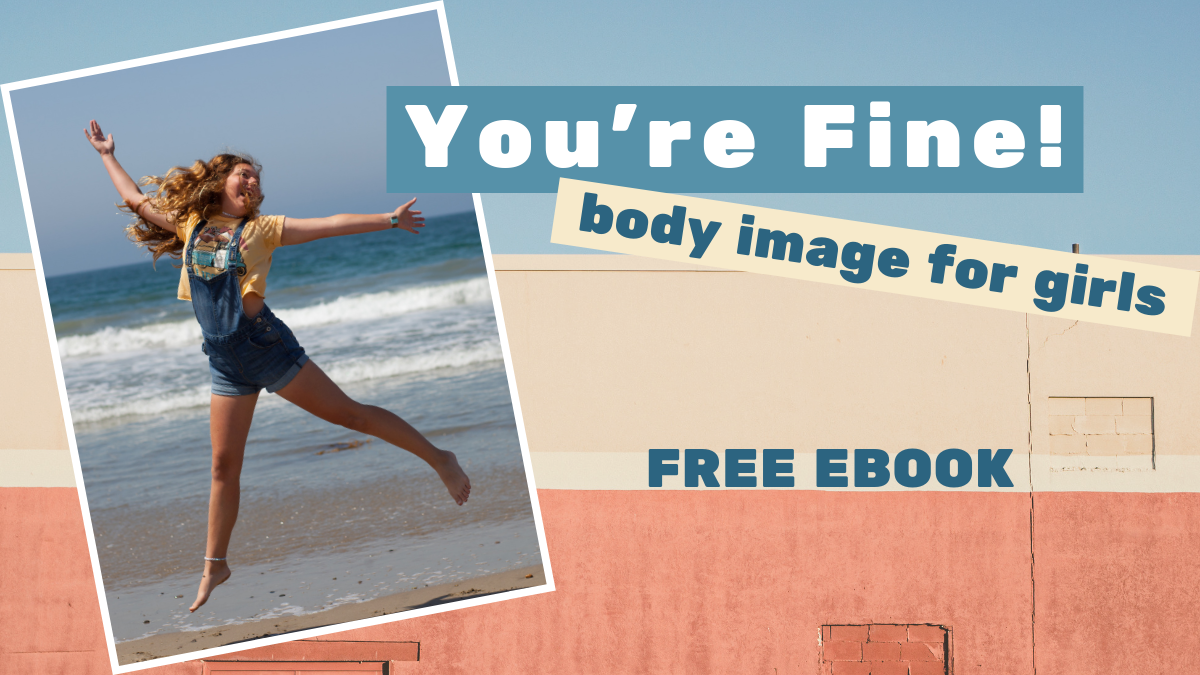
Girls today are growing up in a world filled with pressure to look a certain way, and itโ€™s taking a serious toll on their self-esteem. As a parent, you want to protect your daughter from harmful messages about her body and help her build lasting confidence. Thatโ€™s why we created You’re Fine! Body Image for Girls, a free, powerful eBook designed to support you in raising a daughter who feels strong and secure in her body.

The book is written by Ginny Jones, the founder and editor of More-Love.org, and her 13-year-old daughter, Raina Rose. Together, theyโ€™ve created an accessible and heartfelt guide to help girls develop a positive body image. This book quickly and clearly presents the key tenets of body positivity and body acceptance. It helps girls understand the culture we live in and gives them tools to confidently rebel against the forces that fuel body hate.

Grounded in the principles of Health at Every Sizeยฎ and a non-diet, intuitive eating approach to health, this eBook promotes a compassionate, evidence-based framework for well-being. Instead of focusing on weight or appearance, it encourages girls to listen to their bodies, trust themselves, and define health on their own terms.

Download your free copy today and take the first step in helping your daughter grow up with the confidence, resilience, and self-love every girl deserves.

I hope you will download this book and consider sharing it with your daughters, nieces, godchildren, students, patients, and student-athletes. All girls deserve to have a positive body image!

Here’s the opening letter from Raina Rose:

Introduction letter from Raina Rose

Hi peeps! I’m Raina Rose.

Body image is a tough subject, and I feel like a lot of girls feel confused. Because on the one hand, we see that body and weight is important in our culture, but when we try to talk about it with grown ups, they just tell us we should love our bodies. I donโ€™t know about you, but that really doesnโ€™t help me.

To me, โ€œlove your bodyโ€ is just another way of making us feel bad about ourselves. Thatโ€™s why I have a different approach – how about we just know that weโ€™re OK – weโ€™re fine. Itโ€™s OK and normal to have bad body thoughts. And itโ€™s OK and normal to look in the mirror and feel bummed sometimes.

Hereโ€™s the only thing you need to know: you donโ€™t have to love your body. You donโ€™t have to think itโ€™s perfect in every way. You just have to remind yourself that youโ€™re worthy of respect in any body! I know it feels like you need to fix yourself, improve yourself, and look like the prettiest girl at school. But honestly, youโ€™re good. As you are. No need to do anything or fix anything. Youโ€™re fine!

Iโ€™m going to provide you with information about body image, fatphobia, and why dieting is not a good idea. These are all tricky topics, and they can feel really confusing. If your mom made you read thousands of puberty books like mine did, youโ€™ll remember that all of them included grown-ups saying something along the lines of, โ€œI wish I could go back in time and tell my younger self that I was beautiful.โ€ Did you read that in a fake-sounding sing-song voice? I sure did.

โ€œOkay lady, thatโ€™s great, but no matter how many times you say that, itโ€™s not changing my self-criticism.โ€

I remember reading that and thinking, โ€œOkay lady, thatโ€™s great, but no matter how many times you say that, itโ€™s not changing my self-criticism.โ€ Itโ€™s as if that lady thinks that saying that she wishes that she loved her body back then will make me love my body now.

Reading the same passage again and again didnโ€™t change my thoughts. I thought it was broken. โ€œWhatโ€™s with this?โ€ I would think, โ€œIโ€™m supposed to think Iโ€™m beautiful, but I donโ€™t. So whatโ€™s up with that?โ€

The thing is, no matter how many times you read inspirational quotes about loving yourself. No matter how many times your mom says youโ€™re beautiful. Itโ€™s not going to change the fact that the media and our culture at large is built to create self-hatred and body shame. Telling us to โ€œlove our bodiesโ€ without seeing our bodies within the larger culture just isnโ€™t enough.

If being told you should love your body has changed how you feel about your body, then contact me. Because I will go to your house, bow down at your feet, and shower you with Cadbury eggs, money, and possibly buttons. Seriously, I have a lot of buttons. I need to get rid of them.

We are all beautiful

Nevertheless, we are all beautiful. And sometimes you might not see it or believe it. But I guarantee that if I see you, I will think you are beautiful. Thatโ€™s because often we can see beauty in other people that we canโ€™t see in ourselves. But donโ€™t be mad at yourself if you donโ€™t feel beautiful. Just remind yourself that youโ€™re normal (and awesome). Donโ€™t diet. Donโ€™t hate your body. You don’t have to compare yourself to other girls or women wearing tiny bikinis on Instagram. Youโ€™re fine.

There will be times of doubt. I often find myself complimenting my friendsโ€™ looks and then wishing that I looked like them. Thatโ€™s just how we seem to be, and itโ€™s not an accident. Billion-dollar companies create unattainable beauty standards and encourage us to compare ourselves to others and compete with each other. Then they tell us that if we buy their product we can look just like their models. Donโ€™t feel beautiful yet? Thatโ€™s OK, they have another product for us to buy! And so the cycle goes. Over and over and over again.

The fact that we feel bad about ourselves and as if weโ€™re in competition with other girls and women doesnโ€™t mean thereโ€™s something wrong with us. But it also doesnโ€™t mean that we have to believe it!

We live in a messed up world, peeps. But this book is hoping to bring a little light into this cave we call society. Enjoy!

See Our Parent’s Guide To Body Image And Eating Disorders

Posted on Leave a comment

How to handle body shaming in school – a guide for parents

How to handle body shaming in school - a guide for parents

Body shaming in school can deeply affect a childโ€™s self-esteem, mental health, and overall well-being. As a parent, learning how to recognize, address, and prevent body shaming is essential to protect your child and foster a positive body image.

This guide offers practical advice on how to support your child, communicate effectively with teachers and administrators, and empower your child to build resilience against harmful comments. By taking proactive steps, you can help create a safer, more accepting environment where your child feels confident and valued just as they are.

The problem with body shaming at school

Body shaming at school is a major problem that’s linked to poor mental health and increases in anxiety, depression, eating disorders, and more.

Body shaming can have a significant impact on a child’s lifelong mental health. Constant negative comments or scrutiny about appearance can lead to low self-esteem, body dissatisfaction, and a negative body image. This, in turn, can contribute to the development of anxiety, depression, and eating disorders.

Body shaming is so common in school that many people don’t even notice it or believe it is harmless or unstoppable (“kids will be kids”). However, school body shaming has major impacts on kids’ wellbeing, and intervention is both possible and necessary.

In this guide you’ll learn how to intervene effectively and support your child if they’re experiencing body shaming at school.

What sort of body shaming happens at school?

Kids are creative, and they can find countless reasons to tease their peers. This teasing can be traumatic, particularly at the difficult stage of development during middle school. Most teasing focuses on various common body traits, including:

  • Weight
  • Height
  • Skin (color and appearance)
  • Hair
  • Features (nose, ears, feet, etc.)
  • Visible differences and disabilities

The list of body-based taunts is seemingly endless, and peers, particularly middle schoolers, seem inherently gifted when it comes to creating them. All body-shaming and bullying should be dealt with quickly by adults. Fat-shaming and body shaming are linked to eating disorders, the second-most deadly mental disorder and the cause of much suffering and heartache.

Read more: Body Image and Eating Disorders

Example of body shaming at school

Here’s an example that’s very common:

“Are you pregnant?” asks the 11-year old boy, pointing at her stomach and immediately breaking into laughter, encouraging everyone around him to look and laugh as well.

And the girl, stunned, looks down at her belly and wonders, perhaps for the first time, if her body is bad. Shame rises and fills her whole body.

People say terrible things, but it is perhaps never more common than in schools. The body-shaming, fatphobia, and fat-shaming that runs rampant in schools is ruthless and without boundaries. People of all sizes and shapes are harassed at this most vulnerable and awkward time of body development. But of course, it is far worse for kids who have larger bodies.

How to deal with body shaming at school

If you have a child who is in middle school, remember that body shaming can happen to kids of all genders and of all body types, though it is far worse for kids with larger bodies. Both boys and girls are the recipients and the perpetrators of body shaming. Here’s what I recommend:

1. Talk about body shaming

Talk about body shaming and fat-shaming early and often with your child. Become educated about the benefits of a non-diet approach to health and make sure that you are not your child’s primary body bully.

2. Explore your own feelings about your kid’s body

As your child’s body changes in middle school, make sure you are not criticizing or objectifying it. This is hard. In our culture, we are trained to objectify and criticize bodies, particularly girls’ bodies. Work on your own feelings and thoughts about your kid’s body. Children are extremely sensitive to parental judgment, so if you have negative feelings about your child’s body, they will almost certainly sense your disapproval.

3. Don’t body-shame yourself or anyone else

It’s fairly common in our culture to make negative body comments about yourself and other people. However, this practice models body-shaming behavior and makes it harder for a child to stand up to body bullies. It’s important that you don’t bully your own body or that of anyone else. This includes criticizing people in the airport, on buses, and on television for their body sizes. Take a weight-neutral approach to everyone with the belief that other people’s bodies are none of your business.

4. Teach them to respond to body shaming

The fact is that we live in a body-shaming society. Teach your child some good responses for when other people make comments about their bodies.

Help them develop a few scripts ready to go for the most common body taunts. Work on these with your child so they have the confidence to use them. Ideally, the responses should be crisp and maintain a sense of personal power. For example:

  • I don’t recall asking you for your opinion on my body.
  • Dude, what are you, a body-shamer? Dumb.
  • Haven’t you heard? It’s 2024 and people aren’t body shaming any more.
  • No, I’m not pregnant. Are you?
  • The last thing I care about is what you think about my body.
  • Stop talking about my body.
  • I like my body. Thankfully my opinion of myself is not dependent on your opinion of me.

The old advice to just ignore it or walk away may work sometimes, but if your child is physically safe and emotionally supported, you can encourage them to speak up for themselves. The key is for them to feel confident and as if they deserve to talk back to a body bully (which they do!).

How to handle body shaming in school - a guide for parents

5. Teach them to be an upstander

You want your child to be prepared if body-shaming comes their way. But also make sure they are not the perpetrators of body shaming and that they stand up for people who are being body-shamed in front of them. Your child may never be body-shamed, but they are still a victim of our society’s body hate if they stand by while it’s happening to someone else. And they are perpetuating great harm if they body-shame someone else.

6. Shake it off

It would be great if nobody was ever body-shamed again. But it’s unlikely that we’ll see a massive cultural shift as long as your child is living with you. So for now, it helps to teach your child some tricks for shaking off body-shaming comments. Here is some advice for shaking off the negative feelings we get after encountering body-shaming:

  • Talk it out with someone you can trust. Shame thrives in secrecy, so talking about body shaming incidents can help reduce the sting.
  • Remember that other people’s words do not define who you are as a person.
  • Think about whether you can/should take any corrective action.
  • Stay away from the person/people who body shamed you.
  • Block and report online body shamers on social media platforms.
  • Block body shamers from texting or phoning you.

7. Report bullying

It’s true that we can’t protect our children from all forms of body shaming and fat-shaming. In fact, most of us experience body shaming in our own homes! However, if you suspect that your child is being bullied in a way that is dangerous to their mental and physical health, please reach out for support.

It can help to keep a record of incidents to document the body bullying. This should log the date, time, person(s) involved, verbal and physical actions.

Speak with your child’s school principal and school psychologist and get a copy of the school’s bullying policy. Hopefully, they will respond to the situation adequately. If you feel your child’s school is not doing enough to protect your child, seek the support of someone who can help you navigate the tricky task of parenting a child who is being bullied. They should be able to support you in both reporting the problem and helping your child through this situation.

Why body shaming at school needs to stop

Eating disorders frequently begin during middle school. Eating disorders are linked with body-based bullying and our society’s obsession with appearance, particularly the avoidance of fat (fatphobia).

Bodies, particularly girls’ bodies, change drastically during middle school. It’s not uncommon for girls to gain about 40 lbs during puberty, and it can take years for that additional weight, which is a critical part of their development, to shift and settle into the adult body taking shape. A girls’ body becomes open to admiration, objectification, criticism, and ridicule during puberty, and all are harmful predictors of eating disorders.

Parents can help kids avoid eating disorders with the following steps:

Never Do These 3 Things:

1. Body-Shaming: do not body-shame your child, yourself, or anyone else. Body shaming is the act of judging a person for their body size, shape, color, weight, ability, and appearance. Parents frequently are unintentional body shamers who are trying to help their children “be healthy” which in our society means to lose weight and be thin.

2. Food Policing: do not police your child’s food or suggest they will be better if they eat a certain way. It’s common to judge kids for choosing “unhealthy” or “bad” food. Parents frequently are unintentional food shamers who are trying to help their children “make good choices” which in our society means avoiding foods that supposedly lead to weight gain (e.g. carbs, fat, etc.). 

3. Dieting: do not diet or allow dieting in your family. Eating disorders almost always begin with a diet. Dieting is defined as any eating and/or exercise conducted with the purpose (sometimes unconscious) of weight loss. Most “wellness lifestyles” are diets in disguise. Parents frequently introduce dieting to their children, despite the fact that diets do not improve health and lead to weight gain and eating disorders.

Body-shaming online and offline

About 30% of girls and 24% of boys report daily bullying, teasing and/or rejection based on their body size. These numbers are doubled (63% of girls and 58% of boys) for high school students who are living in larger bodies. [Pediatrics]

It’s dangerous online, too. Way back in 2011, 16% of high school students were victims of electronic bullying in the previous year. [CDC] This number has undoubtedly skyrocketed since then.

This is why it’s important for parents to talk with their kids early and often about body image and eating disorders. Parents should also avoid food policing and prevent dieting. Our kids are going to be exposed to all of these dangerous practices, and the best protection we can offer is education and support as they navigate the culture in which we live.


Ginny Jones is the founder of More-Love.org, and a Parent Coach who helps parents who have kids with eating disorders.

See Our Parent’s Guide To Body Image And Eating Disorders

Posted on Leave a comment

Quiz: are you fatphobic or body positive? Plus, how to be a body positive parent

Quiz: are you fatphobic or body positive? Plus, how to be a body positive parent

Take this quiz to find out whether you are fatphobic or body positive. If you’re a parent, this is really important, because our feelings about our own bodies impact how our kids feel about theirs.

Eating disorders are much more complex than body image, but negative body image is a hallmark of an eating disorder. We live in a culture that is strongly weight-biased and fatphobic. Our cultural messages assert that a person is healthier, smarter, and more worthy if they live in a smaller body. Weight stigma is very harmful to all of us, but it is especially damaging to people who live in larger bodies and people who are susceptible to eating disorders.

Parents who want to prevent eating disorders or help a child who has an eating disorder to recover can learn about weight stigma and adopt a non-diet, weight-neutral, and body positive attitude.

Quiz: Are You Body Positive?

Most of us have assumptions about body size, eating behaviors and exercise patterns. To help kids avoid the worst of negative body image and eating disorders, it can be very helpful if we challenge our own assumptions about bodies, weight, and health. Take this quiz to see how you do.

FAQs: Fatphobia and Body Positivity

What is body positivity?

Body positivity is a trending hashtag, but it’s also so much more. It was started in 1967 as a movement to stop deadly weight stigma and anti-fatness. More than just “loving your body,” body positivity is a social justice, activist movement. To be body positive is about accepting that most of what we think we know about fat is wrong, and that judging people for being fat is ignorant and harmful.

What is fatphobia?

Fatphobia is a popular term for weight stigma and anti-fatness. Fatphobia is the fear of being or getting fat. It also extends to feeling deep discomfort and disgust about other people who are fat. Weight stigma by any name is deeply harmful to everybody’s health. Anti-fat bias is associated with negative physical and mental health outcomes. Paradoxically, fatphobia is also associated with weight gain.

Will this quiz help me find out if I am fatphobic?

This quiz is designed to test for anti-fat bias, weight stigma, and fatphobia.

Body positive parenting

Our society is steeped in weight stigma. Many of us make body-based, weight-stigmatizing comments without even thinking of it – it’s just a part of our culture. But if a parent can learn to stop these automatic statements, we can help our child reduce the focus on the body as a signal of “goodness” and even “health” and instead help them recognize that they are inherently worthy, and fat is not the worst thing a person can be. This approach will reduce eating disorders since fatphobia is a known contributor.

Here are some things we recommend parents stop doing to create a body positive environment for their children:

1. Do not praise/criticize individual body parts

Look at those abs! She has a tummy roll. Your legs are so long. You have such a tiny waist. She has huge thighs.
We are not objects, but whole people. Avoid picking apart human beings based on their individual body parts. Don’t do this with your own body, your child’s body, or any other person’s body. Human beings are much more than any one part of themselves. While these comments may seem positive of “factual,” they bring the focus onto the body, and one of our goals is to develop a holistic view of health and bodies rather than a parts-based perspective.

2. Do not provide feedback on weight loss/gain 

You’ve lost weight! She lost a ton of weight last year. You look great – did you lose weight? 
We need to stop assuming that weight loss is a positive thing that we can openly make comments about. It may seem normal to mention that someone has lost weight, but the assumption that weight loss is always a positive supports some of the fundamental disordered thoughts that drive eating disorders. Similarly, we want to avoid criticizing ourselves or others when they gain weight. This perpetuates fatphobic ideas about weight that are strongly associated with eating disorders and, paradoxically, weight gain.

Quiz: are you fatphobic or body positive?

3. Do not provide feedback about “flattering” clothes

That’s so slimming on you. I look fat in this. That’s really flattering. That shirt makes her look huge. That belt makes her waist look tiny.
When we comment on clothing as either “flattering” or “not flattering,” what we are really saying is that everyone should aspire to look thin. This supports the notion that thinness is best, and fuels disordered eating. If you struggle to accept body positivity, then begin by not using the words “flattering” or “slimming.” Also avoid commenting on the physical appearance of yourself, your children, and other people.

4. Avoid feedback on eating and exercise behaviors

You’re so healthy for running every day. She’s such a good/healthy eater. She eats like a pig. He’s a total slob.
Our culture has promoted many unhealthy ideas about eating and physical behavior. Basically, we believe that people who are thin eat only “healthy” foods and exercise regularly. This is not actually true, and the only information we gain by looking at someone is our own level of weight bias. We need to stop praising “health” behaviors to help our children find an intuitive way to relate to their bodies that involve eating foods that make them feel good and exercising in ways that bring happiness, not pain.

Body positive resources

Body positive parenting can help our children avoid and/or recover from an eating disorder. It’s OK if this is all new to you – there are a lot of resources available to help! The first step in becoming body positive is dropping weight stigma. Great ways to do this is to read one of these books:

When “body positive” is not body positive

Many brands and influencers have noticed that the term “body positive” has gained social traction. As a result, they are taking on the term as a marketing opportunity rather than truly understanding the purpose of the movement. Specifically, Instagram is littered with accounts that use the hashtag #bodypositive or one of its variations, but they still espouse diet culture and are decidedly not weight-neutral or fat-positive. Some signs to look for to establish whether a brand or influencer is truly body-positive include:

  • Are the models/images primarily showing white, cisgender, able-bodied, Photoshop-enhanced, conventionally attractive, thin people? Body positivity is about inclusivity, so you should see a range of skin colors, gender identities, and body sizes, shapes, and abilities.
  • If it’s a clothing brand, does the brand offer sizing above 12/14? About 60% of the population wears plus sizes, yet plus-size models are a rarity. If a brand says it is “body positive” but does not provide clothing for people living in larger bodies, then it’s co-opting the movement for marketing purposes.
  • Does the text contain messages about weight loss and/or weight maintenance as if that is a good/positive/healthy pursuit? Body positivity must operate from a weight-neutral perspective.
  • Does the messaging suggest that the pursuit of health is defined as eating a certain way or exercising? Body positivity must operate from a behavior-neutral standpoint and not place value judgments on food choices or exercise behaviors.

Ginny Jones is the founder of More-Love.org, and a Parent Coach who helps parents who have kids with eating disorders.

See Our Parent’s Guide To Body Image And Eating Disorders

Posted on 7 Comments

How to tell my daughter that an outfit is not flattering?

How to tell my daughter that an outfit is not flattering?

Dear Ginny, 

I need to be able to tell my daughter that her outfit is not flattering! My daughter is plus size. Going shopping can be a real struggle since there are a lot of things that don’t fit and just aren’t flattering. When I tell her that something isn’t flattering, she gets really angry. How can I say it in a nice way. I’d like her to avoid buying things that make her look even larger than she is.

Signed, Shopping Mama


Dear Shopping Mama,

I understand that buying clothes when we live in a larger body can be stressful. Clothing designers have done a terrible job at clothing us, and it’s hard not to feel ashamed doing something that other people seem to enjoy so much.

I hear you when you say that you want to be able to tell your daughter that an outfit is not flattering.

But I need to challenge you immediately on your belief that your child should only buy clothing that is “flattering,” which I think you mean “slimming.” Your daughter should buy clothing that fits her body, that feels good, and that she likes. Her clothing should not be chosen to minimize her body size or make her appear to be anything other than the beautiful person she is. You need to let go of the idea that she will be more beautiful if she is thinner.

Our children are living in a disordered eating ecosystem. This means that they are bombarded daily with messages about the thin ideal and see images of models who weigh less than almost any other person can without seriously disordered eating and/or an eating disorder.

When parents tell a daughter that her outfit not flattering, what they are really saying is that their child’s body is unacceptable.

Our children live in this ecosystem, and they know what they *should* look like. They know exactly what the weight loss, fashion, and beauty industries say is “beautiful.” And there is not a single chance in hell that they will ever look exactly as they are told they could/should look.

Going into any clothing store is a stressful time for most people living in a larger body. Most of us suffer from some form of body dissatisfaction if not full-on body dysmorphia.

When a child who is living in a larger body goes shopping with her mom, she is exquisitely aware of the fact that many of the clothes she sees will not fit her or, if they do, will not look “good” on her body.

You may think it’s kind to tell your daughter that an outfit not flattering. But all kids know that “not flattering” is code for “not slimming” or, if we’re really being honest, “makes you look fat.”

If we want to raise children who are truly healthy, then we need to help them feel completely accepted and loved by their parents, regardless of their body size. When we make comments about how their bodies look in clothes, even though they may come from what we believe is a good place, we draw attention to their bodies, which does not help their self-confidence.

If you go shopping with your child, and a piece of clothing doesn’t look good to you, look at your child’s face. Look into her eyes. Does she feel happy? Does she like that t-shirt? Then let her enjoy it. Ask her what she likes about it.

Does she seem insecure? Ask her what she thinks of the color, and how the fabric feels against her skin. Ask her if the clothing allows her to move the way she wants to. There’s no need to reference her body size at all.

If she asks you “do I look OK?” tell her that what matters is how she feels in her clothes. It’s OK if she rolls her eyes. Even if she pushes you, don’t fall for the culturally-prescribed bait of women asking whether they “look fat.” Fat is not a look. Fat is not a feeling. Fat is a cellular structure on our bodies. Push her to define beauty on her own terms, not anybody else’s.

Then step back, and let her make her own choices. You may see them as fashion mistakes, but you have been engaged in this fashion/beauty/diet culture, too. So just relax, and remember that your child is wonderful no matter what she wears.

Here are some of the thoughts that may go through your mind. These are ‘normal’ thoughts, but that doesn’t mean you have to believe them. There’s a rule that says that the first thought is socially-constructed. Read on for the second thought, which is where we want to try and arrive for our child’s sake.

But she could look so much better if she wears something else. 

Your child is not an ornament to be admired. She is a human being with much more important things to think about than how a t-shirt looks on her body. Parents don’t ever need to instill cultural body ideals upon their children – our culture does that all by itself. Be a safe haven in a culture that is very cruel to bodies.

But she will be teased if she wears that. 

One of the first reasons kids get teased is that they feel insecure. If a mom has suggested that a shirt is “not flattering” and a kid wears it anyway, she will get teased because she feels insecure, not because of the shirt itself. If a child knows that she is not an ornament and a t-shirt is just a freaking t-shirt, then she may get teased, but she won’t care, and the teasing won’t continue, nor will it impact her sense of self-worth.

I know a lot about fashion, and I’ve learned a lot about what flatters me. I have so much wisdom to impart! 

It’s OK if you really care about fashion and what people think about your appearance, but please don’t impose those beliefs on your child. Clothing does not make a child healthy and happy. Parental attachment and self-confidence make a child healthy and happy. If your child wants to wear a neon yellow t-shirt with a unicorn on it, and you think the color “washes her out” and you think it makes her belly look large, get over it. She is responsible for her body’s presentation, not you.

She’ll only wear it once, and then she’ll never wear it again. 

First of all, that may happen. It happens with all people of all sizes. Everyone makes clothing selections that we later decide we don’t like. It’s not different because of her body size. Secondly, look carefully at past patterns. It’s quite possible that previously when you disagreed over a piece of clothing, you gave in and purchased the item, but first made your opinion that it was “unflattering” clear. Then, when she put it on at home, you wrinkled your nose in disgust and said something like “I still don’t like it.” Hmmmm. Maybe that has something to do with why she never wore it again.

I owe it to her to tell the truth. 

First: you owe it to her to love and accept her for who she is, not for how she looks.

Next: the truth according to whom? According to the diet, fashion and beauty industries that show body types that can only be achieved by 5% of the population and, even then, require Photoshopping? Watch your bias carefully here. We have all grown up in this toxic ecosystem, but we can also do better for our children.

Don’t subject your daughter to the same narrow view about her body to which you have been subjected. There is no objective “truth” about what looks good or doesn’t look good. Self-confidence is the greatest beauty trick we can teach our children, and self-confidence doesn’t come off the rack.

Check your bias at the door and remember: your child is a person, not an ornament. Give more love, not more fashion advice. This will help your daughter avoid the worst of negative body image and eating disorders.

Sending Love … Ginny


Ginny Jones is the founder of More-Love.org, and a Parent Coach who helps parents who have kids with eating disorders.

See Our Parent’s Guide To Body Image And Eating Disorders

Posted on Leave a comment

Why it’s time to worry about Instagram and body image in girls

Why it's time to worry about Instagram and body image in girls

Instagram is a popular platform that many young girls enjoy for connection and creativity, but it also poses hidden risks to their body image and self-esteem. While Instagram itself isnโ€™t inherently harmful, research shows that frequent exposure to idealized, often edited images can distort how girls perceive their own bodies.

This can contribute to increased anxiety, dissatisfaction, and even disordered eating behaviors. In this article, weโ€™ll explore why parents and caregivers need to pay attention to Instagramโ€™s impact on girlsโ€™ body image and offer practical tips for managing social media use in healthy, mindful ways.

Curated, edited feeds

The greatest danger for young women on Instagram is images of other women. These images are typically highly curated, Photoshopped or otherwise edited, and staged.

Furthermore, Instagram provides a platform that directly rewards women for posting sexy poses that focus on the body’s shape. This leads to something called “self-objectification,” a dangerous condition linked to eating disorders. We created a video showing how this works:

“Body image disturbance is one of the most common clinical features attributed to eating disorders.” (Eating Disorder Hope)

Instagram use has been directly correlated with poor body image in young women. Monitoring social media use may be very helpful in preventing and reducing the impact of eating disorders. This is why we believe it is critical for parents to talk to their daughters about the dangers of Instagram.

10 facts about Instagram and body image in girls

Here are 10 facts about Instagram and its impact on young women’s body image and therefore potential for disordered eating:

1. Instagram ranked the worst app for mental health and body image, especially for young women. [1]

2. Instagram encourages young women to compare themselves against unrealistic versions of reality [2]

3. Instagram makes it easy for girls and women to feel as if their bodies aren’t good enough as they ar.e [2]

4. Young women who spend more than 2 hours on Instagram and other social networking sites report poor mental health. [2]

5. As little as 30 minutes per day on Instagram can make women fixate negatively on their weight and appearance. [3]

6. The more frequently that young women look at #fitspo images, the unhappier they felt about their own bodies. [3]

7. Looking at fitness influencers and models on Instagram has a negative influence on self-esteem, which could predict eating disorders. [4]

8. Women are less satisfied with their bodies after looking at #fitspo images compared to travel images on Instagram. [4]

9. When a teenager’s post gets a lot of “likes” on Instagram, her brain responds in a similar way to seeing loved ones or winning money. [5]

10. When young women make social media comparisons, they report being more likely to start unhealthy weight-loss activities. [3]

What parents can do to help

Parents can help reduce the impact of Instagram on girls’ body image and eating disorders by doing the following:

Time

Keep an eye on how much time your child spends on Instagram. Try to keep total social media time to an hour or less per day. Your child will grumble, but it’s important to stand strong. Every half hour spent on Instagram can decrease body satisfaction.

Content

Monitor who your child follows on Instagram. Talk about the content you see. Are women being treated as objects? Have they been airbrushed, filtered, and perfected? Are all women very thin with shapely breasts and butts? Encourage your child to follow people who don’t make her feel bad about herself.

Be especially aware of #fitspo accounts that promote weight loss methods and “healthy lifestyles.” These are often diets in disguise, and they can be very damaging. Obsession with weight and food are both symptoms of disordered eating. And eating disorders related to following social media influencers are on the rise.

Posts

Talk to your daughter about what she’s posting on social media. Is her content highly curated and heavily filtered? Is she posting photos of herself in sexy, pouty poses? Does she post photos that expose her body in ways that make you uncomfortable?

It’s OK to talk to her about what is and is not acceptable to you. You don’t need to be draconian or a sexist about this. It’s not about her “tempting pedophiles,” it’s about learning healthy boundaries in a society that objectifies women.

Feelings

Pay attention to how your daughter behaves after consuming social media. Does she seem upset? Maybe she spends more time looking in the mirror. Talk to your daughter about how she feels. Let her know that a lot of people notice that they feel bad about themselves after going through their feed. This is a natural response to seeing a false world in which perfection rules.

It’s very common for people to clean out their Instagram accounts of anyone they follow who doesn’t make them feel good. If someone doesn’t make your daughter feel good about herself, they don’t belong in her feed!

This is serious parenting

Putting limits on a girl’s social media is not for the faint of heart. This is serious parenting. Don’t be surprised if you find yourself confused, tripped up, and frustrated when you’re trying to set boundaries on social media. Social media can be fun, but it needs boundaries to be safe. Stay strong!


Ginny Jones is the founder of More-Love.org, and a Parent Coach who helps parents who have kids with eating disorders.

See Our Parent’s Guide To Body Image And Eating Disorders


References

[1] CNN: Instagram worst social media app for young people’s mental health

[2] Royal Society for Public Health: Social media and young peopleโ€™s mental health and wellbeing

[3] Macquarie University: Impact of Instagram use in young women

[4] New Media & Society journal: Instagram use and young womenโ€™s body image concerns and self-objectification

[5] UCLA Brain Mapping Center 

Posted on Leave a comment

How To Stay Safe Online: The Most Risky Hashtags for People with Eating Disorders

How To Stay Safe Online: The Most Risky Hashtags for People with Eating Disorders

Navigating social media can be challenging for anyone, but for individuals recovering from eating disorders, certain hashtags can pose serious risks. These hashtags often promote unhealthy behaviors, unrealistic body ideals, or triggering content that can undermine recovery and fuel relapse.

Understanding which hashtags to avoid is a crucial step in protecting your mental health and maintaining a safe, supportive online environment. In this article, weโ€™ll highlight the most risky hashtags for people with eating disorders and provide practical tips for safer social media use.

Hashtags to avoid

Hashtags are fun ways to navigate social media channels, especially Instagram. When we search for something using a hashtag, we get to see hundreds, sometimes thousands of posts regarding that topic. It can be really fun to navigate these hashtags and find out what other people are posting. This is how Instagram custom-makes feeds based on each person’s unique preferences.

Unfortunately, Instagram hashtags may be an unhealthy method for furthering disordered thinking about bodies, health, and dieting. Sadly there are Instagram accounts dedicated to supporting anorexia. And there are accounts that teach people how to “get better” at having anorexia.

Why kids with anorexia may need to avoid Instagram

Instagram has lots of accounts that support anorexia, restrictive behaviors, and over-exercise. You may be surprised by the many hashtags that:

  • say that food restriction is healthy
  • teach people to over-exercise
  • promote having anorexia as good
  • glorify extreme thinness

There are also people who are in recovery for anorexia who use Instagram posts as a way to document their progress. But their ongoing disorder means that these posts can be disturbing.

Even if the posts aren’t directly promoting anorexia, there are literally thousands of accounts that actively promote disordered eating and exercise.

Instagram’s community guidelines and warnings for anorexia

Instagram recognizes that it has a problem. It is a perfect environment in which vulnerable populations can promote eating disorder behaviors.

A good thing is that Instagram has created community guidelines. It is attempting to curtail the dangerous promotion of eating disorders on its platform. For example, there is currently no hashtag for #proana. And if you search for #anorexia, you will be shown this warning message:

Screen Shot 2017-09-05 at 3.57.50 PM

This is an important step for Instagram. We applaud their work toward minimizing the dangers of social media platforms being used to promote eating disorders. But it’s not enough. Instagram is known to be harmful to mental health, and there are several lawsuits against the platform for encouraging anorexia.

Inadequate safety measures

It’s really great that Instagram puts up that warning about anorexia. But unfortunately, they leave the option to “Show posts” related to anorexia. If you click through to “Show posts,” there are thousands of images, quotes, and posts from people who are still active in their anorexia.

These posts can be deeply triggering. They can provide instructions and information about continuing and hiding anorexia. Also, since anorexia tends to have a competitive edge, it can exacerbate symptoms.

It’s not uncommon for people who have anorexia to compare their bodies. They may strive for the lowest body weight and the highest degree of danger from the disorder. This is true even when they say they want to recover. It’s confusing and conflicting. Both are true. But Instagram can make it harder to overcome the drive to be thin.

Triggers are everywhere

Instagram is full of triggers and has millions of posts promoting diet culture. The culture promotes extreme eating, weight loss, and over-exercising as moral behavior. Diet culture persists in hating body fat and promoting weight loss. As a platform, Instagram is an excellent channel to support anorexia.

Even people who are in full recovery and enjoy Instagram often find triggering and upsetting images. This happens when they go to see our search results, or if they stumble across a positive hashtag like #health. Many people in early recovery find it easiest to avoid Instagram entirely.

While your child is in eating disorder recovery, you should consider eliminating social media from their daily activities. Until your child is fully stable, Instagram may be too much. It can trigger relapse and the desire to return to disordered behaviors. Of course, this is a hard thing to ask. Other options include limiting the time you allow them to access social media and insisting on reviewing their social media activity.

Even recovery hashtags can hurt

Even seemingly “safe” hashtags such as #anarecovery and #anorexiarecovery may contain triggering posts. Avoid those, as well as #eatingdisorder, #anorexia, #bulimia, etc. It’s not that there are not good posts under those hashtags. In fact, we often post them @MoreLoveOrg. But they simply pose too many dangers to someone who is in active recovery.

The problem is that while people identify as being in recovery, they may still be using their eating disorder behaviors. They may still suffer from obsessive thoughts about food and their body.

This is why Instagram hashtags about anorexia often include photos of food and bodies. It’s not necessarily that the people want to promote the disorder. Instagram provides a window into the person’s inner struggle with anorexia. As a competitive disorder, posts like this can be hard to handle in recovery.

Save our #EDWarriors from Instagram

There are many, many wonderful and excellent Instagram accounts that are supportive of recovery. But disordered posts will encourage an eating disorder. Someone in recovery from anorexia should probably avoid Instagram unless it is carefully monitored. This is hard to do, but parents must protect kids from potentially harmful social messages.

By attending to social media, parents can protect kids from the worst of negative body image and eating disorders on Instagram.

Surprisingly dangerous hashtags on Instagram

#health #fitness #fit #fitnessaddict #fitspo #workout #bodybuilding #cardio #gym #train #training #health #healthy #instahealth #healthychoices #active #strong #motivation #instagood #determination #lifestyle #diet #getfit #cleaneating #eatclean #exercise #bodygoals #selfietime #femaleform #thefemalebody #21dayfix  #beforeandafter #beachbodycoach #shakeology #realbodies #toneitup #healthyshake #shakeologycoach #shakeology


Ginny Jones is the founder of More-Love.org, and a Parent Coach who helps parents who have kids with eating disorders.

See Our Parent’s Guide To Body Image And Eating Disorders

Posted on Leave a comment

How to help your daughter inherit your negative body image

How to help your daughter inherit your negative body image

It might sound shocking, but the ways we talk about our own bodies and handle body image can deeply shape how our daughters see themselves. Without realizing it, many mothers unintentionally pass down negative body image attitudes that can shadow their daughtersโ€™ self-esteem for years.

Understanding these patterns is the first step toward breaking the cycle and fostering a healthier, more empowering body image for the next generation. In this article, we explore how negative body messages are inherited and how to stop them in their tracks.

Isn’t she perfect?

When Julia’s baby girl was handed to her, it began. “Is she perfect?” Julia asks. Of course, of course, she tells herself.

She checks each of her fingers and toes, strokes her head, and hopes for a future in which she will be happy and … well, to be honest, she hopes she will be thin. Because life is just easier for girls who are thin, she thinks. Because I want what’s best for her (and what’s best is to be thin), she thinks.

Thus begins a story of mothers, daughters, and body image.

At the playground, Julia watches her daughter and compares her body to the other children. She assesses: is she fatter than the others? Thinner?

Julia carefully observes all of the body types on the playground. Some are fatter, and some are thinner. Some are tall, and some are short. Is her daughter going to be “normal?” she wonders. Because normal is good. Normal is thin. And Julia wants what’s best for her baby girl.

All the right things

Julia makes sure to watch what her daughter eats. She’s careful about feeding her lots of fruits and vegetables. She prepares healthy whole foods and feels good about limiting sugar and snacks. When the doctor asks what she’s feeding her daughter, Julia feels proud and successful. She’s doing this right.

As she enters puberty, her daughter’s hips and thighs and belly and breasts get pudgy. Julia panics and worries, “is she going to get fat? That would be terrible! I need to help her avoid weight gain! It’s for her health! It’s for her future!”

Her daughter’s body grows and changes. Julia is very uncomfortable because now she sees a woman emerging. If she is not a thin woman, Julia believes she will suffer. She thinks that being thin is what we all want for our daughters, right?

Mothers and daughters typically have a shared body image. How Julia feels about her own body affects how she feels about her daughter’s body.

But something is wrong

Julia is not mean or bad. She hopes that her daughter has a socially acceptable body so she can avoid being teased, bullied, and discriminated against. She wants her to look great in photos and swimsuits. Julia hopes that when her daughter goes to the doctor, she’ll be told she’s healthy and well.

But Julia’s daughter is not healthy and well. Something’s wrong. Her mother’s careful attention to her body has interacted with a society that is cruel and dominating towards women’s bodies. She grew up in classrooms that taught some foods are good, and others are bad.

Julia’s daughter was weighed at school with her classmates and learned that weight is very, very important. She watched shows and movies where the heroines were thin, and the bad guys were fat. TikTok tells her that tiny waists and bare, tight midriffs are best.

In middle school, her friends start dieting, so she does too. Julia thinks it’s good that her daughter is taking responsibility for her health and making healthy choices.

At an early age, Julia’s daughter recognized the tremendous societal pressure to be thin. She internalized those beliefs. Now she believes that she is only worthy and can only be successful if she is thin.

An eating disorder

Julia’s daughter develops an eating disorder. Eating disorders are based on many factors. But it’s impossible to ignore the role of a very messed up social environment that tells females that to be successful, loved, and “good,” they must maintain small bodies.

It is impossible to ignore the relationship between mothers and daughters, body image and eating disorders. But eating disorders are not a mother’s fault. They are not a daughter’s fault.

Julia’s daughter’s eating disorder is not her fault. Her concern for her daughter’s weight makes perfect sense in our society. She has been doing the very best she could based on all the best information about how to raise a healthy child. But her well-meaning beliefs about fat and control interacted with our toxic culture, and now her daughter needs help.

A legacy of control

Julia grew up in the same diet culture as her daughter. And, of course, she couldn’t help but believe that raising a thin daughter is best. Being thin makes life easier. Being thin means her daughter will fall in love with someone wonderful. It means having an amazing career. if her daughter’s body is thin, it will never hold her back from living the life Julia dreams of for her.

And Julia has spent her life worrying about her own body. She doesn’t know another way. Julia sensed her own mother’s fear that she would be fat.

She spent her life watching her mother and every other woman she knew to watch her weight to fit the body ideal. Julia used Kate Moss, Monica Geller, and Ally McBeal for inspiration. She drank Slim-Fast and Diet Coke and did workout videos with Suzanne Sommers. Julia knows that to be successful and loved and worthy in this world means she must be thin.

Time to change

But now Julia sees now that it’s time to stop this madness. It’s time to realize that her daughter (and she herself) is worthy at any weight. That society’s messages about women, weight, and health are seriously messed up.

The problem is not Julia’s body or her daughter’s body; it is a society that tells women that they must stay tiny to be loved. It is a society that keeps half the population starving while simultaneously keeping us down, underpaid, and undervalued.

“No more!” says Julia.

Julia and her daughter decide that rather than try to control their bodies, they will accept themselves and each other. Rather than accept that their bodies need to be controlled and dominated and tiny, they’re going to love themselves and their bodies, no matter what they weigh or look like. Because they are more than bodies, and it’s time to start claiming their birthright and behaving like that’s true!


Ginny Jones is the founder of More-Love.org, and a Parent Coach who helps parents who have kids with eating disorders.

See Our Parent’s Guide To Body Image And Eating Disorders

Posted on Leave a comment

How to Talk to Kids About Advertising and Unrealistic Body Images

How to Talk to Kids About Advertising and Unrealistic Body Images

In todayโ€™s media-saturated world, children are constantly exposed to advertising that often promotes unrealistic and unattainable body images. These distorted portrayals can negatively impact kidsโ€™ self-esteem, body confidence, and relationship with food, factors that increase the risk of developing eating disorders.

As parents and caregivers, having open and age-appropriate conversations about advertisingโ€™s influence is a powerful way to help children develop critical thinking skills and a healthy body image. In this guide, weโ€™ll share practical tips on how to talk to kids about media messages, challenge unrealistic beauty standards, and empower them to embrace their unique selves.

Advertising is a danger to kids’ self-esteem and body image. And since advertising is everywhere, this impact is deep-reaching and serious. When we were kids advertisements were on TV, billboards, magazines, and buses. But today we also get served advertisements on social media. And since teens spend an average of eight hours and 39 minutes per week, that’s serious.

Self-objectification and advertising

Self-objectification is the practice of comparing yourself to other people and, importantly, media and advertising images of people. Self-objectifying behavior looks like comparing your own body to those of your friends, strangers, family members, and, of course, models, actors, and social media influencers. It’s basing how you feel about yourself on whether someone else is better or worse than you due to their physical appearance.

Ralph lauren advertising-2
Our children (and we) are bombarded with unrealistic and dangerous advertisements everywhere we go.

We can’t protect our children from these images and messages. But we can speak up and let them know how dangerous these images and concepts are. Objectifying images are dangerous to everyone. Unrealistic advertising hurts our kids, and it hurts us. It is not benign.

Nobody admits they are impacted by advertising. But in fact, we are all susceptible to its subconscious power to influence what we think is “normal” and beautiful. This leads to unrealistic expectations for ourselves and our children.

WTF?
This app is advertised on Instagram as a way to make this beautiful teen’s face unrecognizable.

Self-objectification and eating disorders

Almost all eating disorders are based on the desire to be thinner. Thus, most people who have eating disorders are engaging in self-objectification. Self-objectification is defined as looking at yourself as an object as if you are a third-party observer. When self-objectifying, most people are judging themselves as worthy or unworthy based on their physical appearance. This is particularly pervasive in girls and women due to the sexual objectification perpetuated in the media and advertising.

Fredrickson and Roberts identified self-objectification as “the first psychological consequence to emerge among girls and women as a result of living in a sexually objectifying cultural milieu.” Rather than valuing themselves based on how they feel or what they can do, someone who self-objectifies judges themselves based on how they appear to themselves as a third-party observer.

“An objectified body is a malleable, measureable, and controllable body. By viewing and treating themselves as sexual objects, it is argued that girls and women act as their own first surveyors in anticipation of being evaluated by others. Thus, the body becomes the site of reparative action and vigilant monitoring to manage the sexual objectification. When girls and women view themselves through this self-objectified lens, they take a peculiar stance on their own bodies that is fundamentally disruptive to the selfโ€“body relationship.”

Encyclopedia of Body Image and Human Appearance, Volume 2

Eating disorders are usually an attempt to control the body and make it appear more socially acceptable. When kids get stuck in eating disorder thoughts, we must consider how advertising has impacted them and whether self-objectification is a contributor to their eating disorder.

Talk about advertising

No matter how smart you are, and no matter how smart you think your children are, don’t be silent when it comes to advertising images and messages. Make sure you speak up every single time you see something that suggests impossible beauty standards or Photoshops away individual character.

Talk to your kids about how Photoshop has completely overtaken media, and that nobody can possibly look as good as the models do. Even “real people” on social media use apps to adjust themselves. They whiten their skin, remove “extra fat,” and slenderize themselves beyond recognition.

Our children deserve to feel good about themselves regardless of the size of their waist or color of their skin. They deserve to be more than a Photoshopped rendition of themselves.

Here’s a great TED Talk by Jean Kilbourne about the dangers of advertising and how it impacts us as a society.

How to respond to the danger of advertising on kids’ self-esteem

Parents must respond to the danger of advertising on kids’ self-esteem often. It’s not enough to have this conversation once or even twice. Given the huge quantity of media they are consuming on their phones, our kids need a lot of guidance on this topic. Here are seven things parents need to talk about to counteract the danger of advertising on kids’ self-esteem:

  1. Establish a firm household policy of body respect
  2. Don’t allow body bashing
  3. Don’t allow dieting or intentional weight-loss efforts
  4. Point out that most media images are “fake news.” Those people don’t really look like that – they are using filters, poses, lighting, makeup, and other techniques to look like that
  5. Talk about sexual objectification and how bodies are used to sell products and make money for corporations
  6. Discuss the extreme measures actors and models go to in order to look like that, including starving, steroids, and over-exercise
  7. Educate about the power of images and the impact of images on our brains. We must actively counteract the powerful media images to avoid the worst of negative body image and eating disorders

Ginny Jones is the founder of More-Love.org, and a Parent Coach who helps parents who have kids with eating disorders.
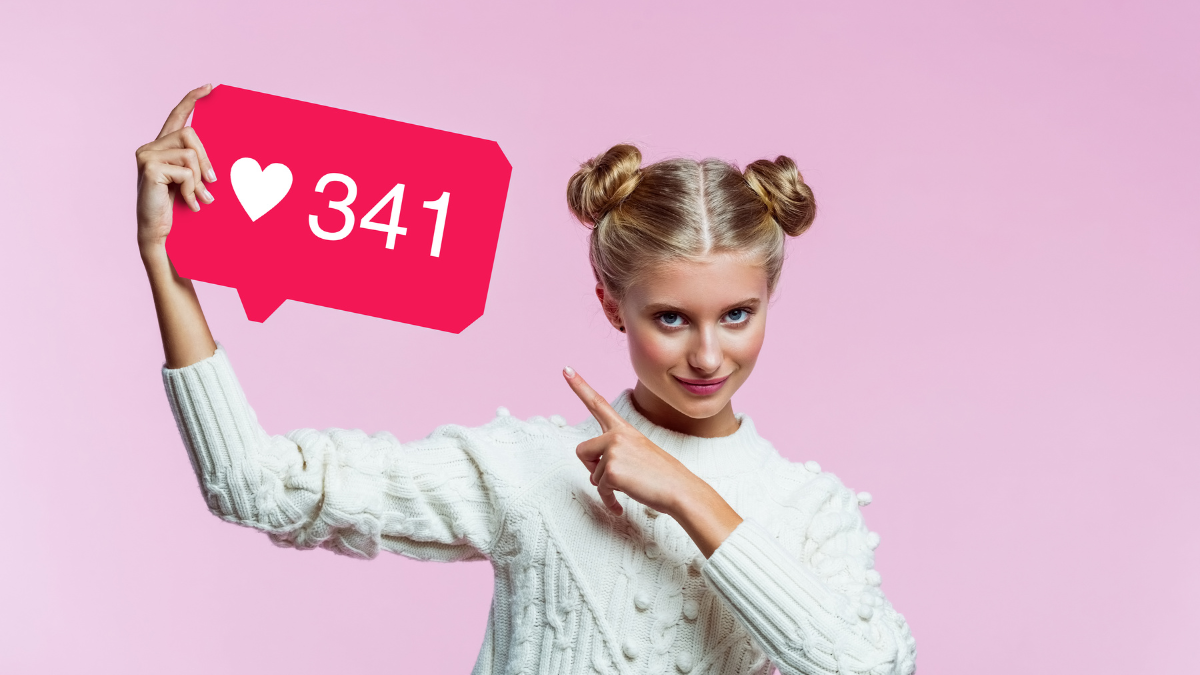
See Our Parent’s Guide To Body Image And Eating Disorders

Posted on Leave a comment

How to talk to your teen about stretch marks

How to talk to your teen about stretch marks

Stretch marks are a natural part of growing up, yet many teenagers feel self-conscious or embarrassed about them. As a parent, itโ€™s important to create a safe space where your teen can openly discuss body changes without shame or judgment.

Having honest conversations about stretch marks helps normalize these common skin changes and supports your teenโ€™s body confidence during a time of rapid growth and development. In this guide, weโ€™ll share effective ways to talk about stretch marks with empathy and reassurance, helping your teen embrace their bodyโ€™s natural story.

Rapid growth spurts

Teenagers experience rapidย growth spurts in new areas of their bodies during puberty. This rapid growth often leads to stretch marks. We still remember being surprised when our skin erupted in red lines and being terrified that they would never go away.

It’s around this time of puberty that many teens become self-conscious about their bodies and begin to feel as if they should hide the rounder parts of themselves, which they may believe are messy, big, and ugly. This can beย the beginning of disordered body image and bad-body thoughts that can lead to a lifetime of body shame. Negative body image and eating disorders are also strongly linked.

Protect your sweet child from this fateย by talking to her about stretch marks as a natural part of growth. Most stretch marks fade with time into silvery streaks, but even if they don’t, they are just a part of life. They don’t make them a freak of nature – they make them entirely natural and totally normal. Don’t hide your own stretch marks, and look for ways to normalize their development in non-hateful ways.

Remind your child thatย this is their body for life. No matter what goes on outside, they need to learn to love themselves inside, and body shame is hateful and means towards the self.

I was doing some research earlier on why we demonize stretch marks. I couldn’t find much so, I decided to type into Google “how to get rid of stretch marks” and I was absolutely appalled by what came up. First of all there were a total of 1.650.000 results telling how to get rid of them (ha. is it any wonder why we are unable to accept them) and secondly almost all of the articles stated “No woman WOULD or SHOULD like to have stretch marks on her skin” and “use potato juice and egg whites to get rid of them”.

Seriously who comes up with this stuff, it’s ludicrous – were constantly being told were not allowed to accept that we have them, nor love them. So in a desperate attempt to get rid of them we have to go and buy over a kg of potatoes and juice them ๐Ÿ˜ž

Not buying it

The truth is, there is absolutely nothing wrong with stretch marks and no cream, eggs whites or potato juice is going to get rid of them – they are normal, they indicate that your body has grown or is growing, changing and evolving.

I have them on both sides of my hips, I have them all over the sides of my bum and the tops of my thighs. The reality is, we all have or will get stretch marks, so there’s no need to shame them, or photoshop them or try to get rid of them

You see, stretch marks are just like freckles, tattoos, bruises, birthmarks, and scars, which are the coolest things ever – because hey, we started with an almost blank canvas and now look, these marks are like little bits of evidence that demonstrate that we have lived

We can’t stop them and we can’t nor should we “fix” them, so let’s normalize them and accept them as a part of who we are


Ginny Jones is the founder of More-Love.org, and a Parent Coach who helps parents who have kids with eating disorders.

See Our Parent’s Guide To Body Image And Eating Disorders