There are two dangerous assumptions that parents (and everyone) make about eating disorders. These assumptions prevent early detection of disordered eating patterns and can lead to inadvertent behavior that may increase eating disorders in children.
Most people assume that the most common signs of an eating disorder are those we associate with anorexia. Noticing that your child is rapidly losing weight and/or is not eating is a critical sign that your child has anorexia. However, anorexia makes up just 10% of eating disorders.
Less discussed is bulimia, which constitutes about 40% of eating disorders. Bulimia is characterized by a combination of binging and purging. Binging is defined as eating large quantities of food in a single setting, and someone who has bulimia will follow a binge with purging, which may be self-induced vomiting, use of laxatives, intense exercising, or some combination of the above.
What many don’t realize is that most people who are bulimic are also actively dieting. It is the restriction of food that can lead to the binge itself, and the fear of gaining weight that can drive the purge. Bulimia is also highly correlated with deception – someone who has bulimia is typically deeply ashamed of their behavior, and goes to great lengths to hide it. This makes it extremely difficult to recognize.
But the most common eating disorder of all is EDNOS, which is an eating disorder that doesn’t fit into any single box. Most people who develop eating disorders will, in fact, combine many aspects of disordered eating to develop their own special mix. There may be elements of anorexia, or severe restriction, plus the binge-purge cycle of bulimia.
Many people who have EDNOS are recognized as dieters, and may utilize forms of orthorexia, which is an unhealthy obsession with “healthy living.” They may incorporate forms of Avoidant/Restrictive Food Intake Disorder (ARFID), which may include becoming a vegan, going gluten-free, or otherwise eliminating entire categories of foods from their diets. They may also suffer from binge eating disorder, in which they consume large quantities of food in an attempt to self-soothe. Binge eating disorder often exists without the purging behavior of bulimia.
Given the complexity of eating disorders, parents must look beyond the most commonly-discussed symptoms of anorexia and seek to better understand the range of disordered eating.
2. Dangerous assumption 2: people who have eating disorders are skinny
Directly linked to the point above is the important fact that parents cannot rely on their child’s weight as an indicator of an eating disorder. People who have eating disorders come in all shapes and sizes. Even someone who is on the anorexic spectrum may not be clinically underweight, despite deeply disordered eating behavior. The majority of people who have eating disorders fall into the “normal” to slightly overweight spectrum.
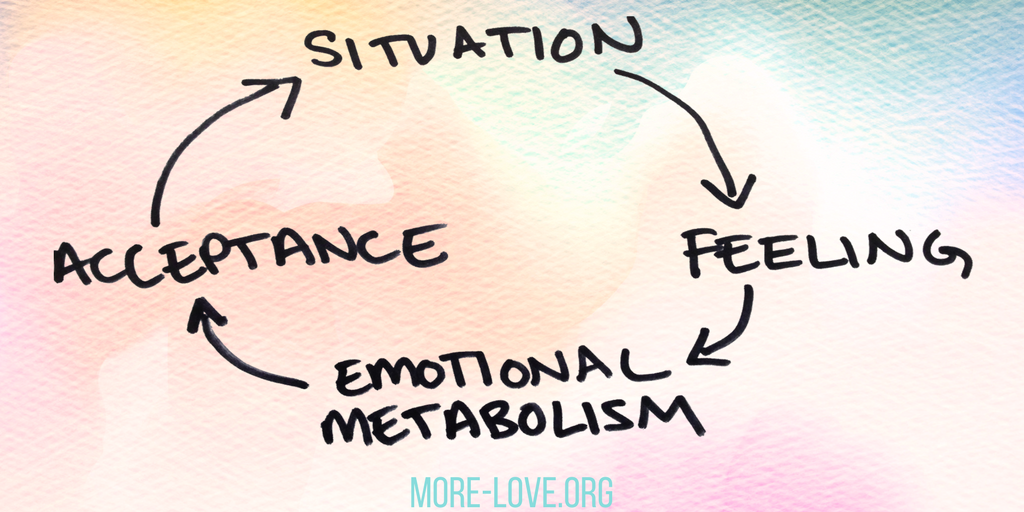
These two incorrect assumptions mean that parents need to recognize what eating disorders actually are. They are maladaptive coping behaviors that our children use as a way to process deeply uncomfortable emotions. The form of the eating disorder and the size of the child suffering is less important than the fact that our children need assistance with emotional metabolism.
While we can use our children’s body size and eating behavior as a clue to the potential of an eating disorder, what we really need to understand is that eating disorders are emotional disorders. They are disorders that prevent our children from accepting feelings as normal, natural and OK. Without emotional metabolism, our children are trying to ignore and override their feelings, and they are abusing their bodies in an attempt to achieve this.
While it can be very helpful to keep an eye on our children’s eating habits and weight, let’s not forget to pay attention to whether they appear able to process their feelings in a healthy manner. Are they able to talk about their feelings? Can they name different feelings and process them in non-harmful ways?
Let’s work on supporting their emotional regulation so that they can learn to process feelings without turning to dangerous coping mechanisms.
Ginny Jones is the founder of More-Love.org, and a Parent Coach who helps parents who have kids with eating disorders.
In today’s media-saturated world, children are constantly exposed to advertising that often promotes unrealistic and unattainable body images. These distorted portrayals can negatively impact kids’ self-esteem, body confidence, and relationship with food, factors that increase the risk of developing eating disorders.
As parents and caregivers, having open and age-appropriate conversations about advertising’s influence is a powerful way to help children develop critical thinking skills and a healthy body image. In this guide, we’ll share practical tips on how to talk to kids about media messages, challenge unrealistic beauty standards, and empower them to embrace their unique selves.
Advertising is a danger to kids’ self-esteem and body image. And since advertising is everywhere, this impact is deep-reaching and serious. When we were kids advertisements were on TV, billboards, magazines, and buses. But today we also get served advertisements on social media. And since teens spend an average of eight hours and 39 minutes per week, that’s serious.
Self-objectification and advertising
Self-objectification is the practice of comparing yourself to other people and, importantly, media and advertising images of people. Self-objectifying behavior looks like comparing your own body to those of your friends, strangers, family members, and, of course, models, actors, and social media influencers. It’s basing how you feel about yourself on whether someone else is better or worse than you due to their physical appearance.
Our children (and we) are bombarded with unrealistic and dangerous advertisements everywhere we go.
We can’t protect our children from these images and messages. But we can speak up and let them know how dangerous these images and concepts are. Objectifying images are dangerous to everyone. Unrealistic advertising hurts our kids, and it hurts us. It is not benign.
Nobody admits they are impacted by advertising. But in fact, we are all susceptible to its subconscious power to influence what we think is “normal” and beautiful. This leads to unrealistic expectations for ourselves and our children.
This app is advertised on Instagram as a way to make this beautiful teen’s face unrecognizable.
Self-objectification and eating disorders
Almost all eating disorders are based on the desire to be thinner. Thus, most people who have eating disorders are engaging in self-objectification. Self-objectification is defined as looking at yourself as an object as if you are a third-party observer. When self-objectifying, most people are judging themselves as worthy or unworthy based on their physical appearance. This is particularly pervasive in girls and women due to the sexual objectification perpetuated in the media and advertising.
Fredrickson and Roberts identified self-objectification as “the first psychological consequence to emerge among girls and women as a result of living in a sexually objectifying cultural milieu.” Rather than valuing themselves based on how they feel or what they can do, someone who self-objectifies judges themselves based on how they appear to themselves as a third-party observer.
“An objectified body is a malleable, measureable, and controllable body. By viewing and treating themselves as sexual objects, it is argued that girls and women act as their own first surveyors in anticipation of being evaluated by others. Thus, the body becomes the site of reparative action and vigilant monitoring to manage the sexual objectification. When girls and women view themselves through this self-objectified lens, they take a peculiar stance on their own bodies that is fundamentally disruptive to the self–body relationship.”
Eating disorders are usually an attempt to control the body and make it appear more socially acceptable. When kids get stuck in eating disorder thoughts, we must consider how advertising has impacted them and whether self-objectification is a contributor to their eating disorder.
Talk about advertising
No matter how smart you are, and no matter how smart you think your children are, don’t be silent when it comes to advertising images and messages. Make sure you speak up every single time you see something that suggests impossible beauty standards or Photoshops away individual character.
Talk to your kids about how Photoshop has completely overtaken media, and that nobody can possibly look as good as the models do. Even “real people” on social media use apps to adjust themselves. They whiten their skin, remove “extra fat,” and slenderize themselves beyond recognition.
Our children deserve to feel good about themselves regardless of the size of their waist or color of their skin. They deserve to be more than a Photoshopped rendition of themselves.
Here’s a great TED Talk by Jean Kilbourne about the dangers of advertising and how it impacts us as a society.
How to respond to the danger of advertising on kids’ self-esteem
Parents must respond to the danger of advertising on kids’ self-esteem often. It’s not enough to have this conversation once or even twice. Given the huge quantity of media they are consuming on their phones, our kids need a lot of guidance on this topic. Here are seven things parents need to talk about to counteract the danger of advertising on kids’ self-esteem:
Establish a firm household policy of body respect
Don’t allow body bashing
Don’t allow dieting or intentional weight-loss efforts
Point out that most media images are “fake news.” Those people don’t really look like that – they are using filters, poses, lighting, makeup, and other techniques to look like that
Talk about sexual objectification and how bodies are used to sell products and make money for corporations
Discuss the extreme measures actors and models go to in order to look like that, including starving, steroids, and over-exercise
Educate about the power of images and the impact of images on our brains. We must actively counteract the powerful media images to avoid the worst of negative body image and eating disorders
Ginny Jones is the founder of More-Love.org, and a Parent Coach who helps parents who have kids with eating disorders.
People with eating disorders often find it helpful to do yoga poses like crocodile. Yoga can be a soothing eating disorder treatment that you can do in the comfort of your own home. It’s effective because eating disorder symptoms often include a dissociation of mind and body, and yoga brings them together. Your child should have a number of tools available for managing anxiety, and one of those tools may be a few simple yoga poses that can help ground and center your child.
Yoga has been shown to be an excellent auxiliary treatment for eating disorder recovery. Many people with eating disorders disconnect their minds from their bodies. They learn to ignore our body’s natural communication, needs, and desires. Yoga can be a great way to gradually reconnect the mind-body signals.
As a parent, having a few simple yoga moves to do with your child while they are in recovery can be a great way to help them make the mind-body connection. It’s also a great way for you to connect with your child, which is so critical to the healing process.
Makarasana, or Crocodile Pose, helps to facilitate diaphragmatic breathing (also known as belly breathing) by immobilizing the chest. When you engage in “belly breathing” you facilitate a relaxation response in the body, which makes this pose excellent during times of stress and anxiety. This may also be a great pre-meal pose to help your child get grounded before going to the table.
Here’s how to do it:
1) Lie on your belly and rest your forehead on your hands.
2) Mindfully breathe into your belly.
3) Stay here anywhere from 30 secs to 5 minutes.
Pretty easy, huh? You can even do this while sitting at a table or desk. Build your toolbox of coping behaviors throughout eating disorder treatment to support your child into recovery.
Ginny Jones is the founder of More-Love.org, and a Parent Coach who helps parents who have kids with eating disorders.
When people call a teenager’s dangerous behavior “a cry for help,” they say it as if it is not really serious. It’s just a cry, after all. Or they may say a teen is “just looking for attention.” And the suggestion is that they do not deserve the attention they seek. That the very act of seeking attention is somehow inappropriate.
There is a pervasive idea in our society that our children’s cries when they are babies are signals that we should heed, but that as they age, their cries are something we can brush off as feeble, unnecessary and even annoying attempts for attention. When an infant cries, we respond with care, love, and attention. We give food, cuddles, and warmth. When a teenager cries out by developing dangerous behaviors, we tend to respond with criticism and avoidance.
Teenagers who have eating disorders, suicidality, and substance use may be crying out for love and attention. They may be signaling a distress level that is deeply intense, and they are not aware of any other tools for gaining the love, attention, and affection they need.
If your child is crying out for help and looking for attention, give it to them. Pay attention to the cries. Attend to your child with the support they need.
This is a wonderful video in which Wentworth Miller discusses what it was like for him as a teenager:
Ginny Jones is the founder of More-Love.org, and a Parent Coach who helps parents who have kids with eating disorders.
Art therapy is frequently used in treating eating disorders because it’s a great way to help people express their feelings. Most people who have eating disorders repress dark feelings like sadness, anger, frustration, and jealousy. But these feelings are all a natural part of being human.
In recovery, a person must learn how to process these negative feelings without using their eating disorder behaviors to cope. Art therapy is one way to help people who have eating disorders tap into these deep unexpressed feelings.
When a child is struggling with an eating disorder, they are also struggling with self-worth, emotional instability, depression, moodiness, and anxiety set amongst generalized adolescent angst. As a parent, it can be very challenging to handle all of those feelings and contain them.
But the good news is that we don’t have to contain our children’s feelings. We just need to help them find healthy ways of expressing their feelings, while simultaneously seeking professional support as needed. But, of course, professional support is limited – we are the ones who actually live with our teenagers day-to-day, seeing their ups and downs, and struggling to find equilibrium in the face of constantly changing emotional states.
Art therapy toolbox for parents
There are professionals who are trained and experienced in giving kids art therapy. Of course this does not replace those important and trained professionals. But parents don’t have to be therapists or artists to support kids in recovery. Instead, we just need to build a toolbox of things we can do with our kids to support them in feeling and expressing their emotions.
And while many parenting toolboxes are virtual and have more to do with mental exercises, this time you get to create a physical toolbox of art supplies. Here are some things you want to have on hand … maybe you have some of these left over from your kids’ childhood!
Paper, canvas, wooden boxes, cardboard shapes
Pens, pencils, markers, paint, glue, paintbrushes
Felt, buttons, sequins, glitter, fur, googly eyes
Collage images (e.g. words, nature, shapes) from magazines
Whether your toolbox is simple or elaborate isn’t as important as the fact that you have art supplies ready to go.
Dive in
Even if neither of you is artistic, the act of putting color on paper can be very therapeutic. When tested with cancer patients undergoing chemotherapy, weekly art sessions improved depression. In other studies, making art has been proven to provide a sense of control to patients with mental illness. Making art helps our kids with self-expression while enhancing coping skills, reducing stress, and boosting self-confidence.
Art therapy doesn’t have to be stuffy or skilled. Even the most basic art skills can become a powerful form of self-expression. Remember when your kids were small and you would pull out the craft box for them? Reinstate that activity, perhaps once a week, and just sit down with your children and some paper, colored pencils, paints, and anything else you have. Work side by side.
A messy, tactile piece of art like this was satisfying to create.
The many colors and ability to mix paints and create patterns can be very soothing.
An example of teen artwork that may be alarming for a parent.
An example of a pre-teen affirming her self-confidence using art.
This doesn’t have to be “heavy” or “therapeutic” – just enjoy the act of making art together. You don’t have to talk about eating, not eating, anxiety or depression. Just be creative and enjoy each others’ company for a little while.
Dealing with big emotions
One word of warning: if your child is currently in a bad place emotionally, don’t be surprised if they create art that expresses their negative emotions. In fact, this is absolutely healthy. Your child is using art as it is meant to be used – to express emotions that are hard to communicate using words. Your child might also be using their art as a way to test whether you can handle the full expression of their emotions. Hint: handle it! This is an essential part of healing.
Many teens find that art and writing are great ways to both express themselves and find out whether anyone (especially their parents) is paying attention to their emotional distress and can actually handle their needs.
This is a tough place to be. When you love your child, you do not want to come face to face with the ugly demons they feel inside. But remember that we all feel ugly demons sometimes, and most of the time artistic expression is not a cause for alarm. Art therapy is helpful in treating eating disorders exactly because it helps people get in touch with their feelings.
It is important that you do not express alarm at what your child creates. Instead, talk to your child about how the art makes them feel, and what they are trying to express with the art. Help them talk about their feelings.
If you are concerned, or if it appears your child is in deep distress and/or traumatized, consider sharing the artwork with your child’s eating disorder treatment team so they can help your child process the pain they are feeling.
Ginny Jones is the founder of More-Love.org, and a Parent Coach who helps parents who have kids with eating disorders.
When a child is struggling with an eating disorder, parental support can be one of the most powerful tools in their recovery. Beyond professional treatment, healing often happens in the small, everyday moments of connection at home. Creating a safe, nurturing environment where your child feels seen, supported, and unconditionally loved can significantly aid their journey.
Simple practices like watching recovery videos together, exploring calming yoga poses, or using emotional regulation worksheets are all meaningful ways to connect. Another gentle, effective tool is hand massage, a nonverbal form of care that communicates presence and love without words. As children navigate the challenging balance between independence and vulnerability, hand massage offers a safe, age-appropriate way to provide healing touch, building trust and emotional closeness without discomfort.
In this article, we’ll explore how this simple practice can support your child’s nervous system and strengthen your bond during recovery.
Touch therapy has been increasingly recognized as an important, though poorly understood (from a scientific standpoint) healing treatment. One of the best documented cases for touch being an effective therapy (and one that is exquisitely designed for the parent-child relationship), is Kangaroo Care, which is an increasingly medically prescribed treatment for premature infants. Numerous medical studies have linked skin-to-skin contact between a premature infant and a caregiver to reduced pain, reduced stress, and myriad other benefits that can drastically improve outcomes for premature babies.
Providing a hand massage for just 5 minutes is an excellent way to slow down and provide focused touch-based caregiving. When our children were little, we hugged and snuggled them. We held their hands when they crossed the street, and they sat on our laps while we read them stories. As teenagers, our children don’t get touched as much, but they still crave it. For our children who have eating disorders, touch can be a good way to reconnect their body-mind circuit, which is an important part of healing.
Here is a good video overview of how to provide a simple hand massage:
Few things shake a parent’s confidence like a rude, disrespectful, or emotionally explosive teenage daughter. In a matter of seconds, a teen’s outburst can turn a calm conversation into a whirlwind of anger, defiance, and emotional chaos, leaving even the most patient parents feeling heartbroken, helpless, or furious.
If your daughter’s rage feels like it’s destroying your ability to build a loving, connected home, you’re not alone.
Parenting through teenage disrespect is incredibly difficult, but understanding what’s behind the emotional volatility can help you respond with strength and compassion.
In this post, we’ll explore why teen girls lash out, what their behavior may be signaling beneath the surface, and how you can begin to rebuild respect, communication, and connection—even in the stormiest moments.
Don’t despair! There is hope.
Hope comes not in trying to make your disrespectful teenage daughter change. It might seem like the answer is to get her “under control.” But handling a raging teenage daughter requires changing your own perspective. Let go of the idea that she should stop yelling. Forget the fantasy that you can rationally talk to her when she is shrieking and screaming. And instead learn to accept this behavior as normal in teenagers who are attempting to get their needs met. It may feel like disrespect to you, but it is not dissimilar to when she was little and cried out for help. It just means she needs help.
Teenage brains are emotionally volatile. And girls often use their voices to express how they feel. Accepting this fact does not mean that you condone what they do. Instead, you can understand it and also learn to not take it personally. Your daughter’s behavior towards you does not indicate either that she is a bad person or that you are a bad parent.
Your disrespectful teenage daughter has a baby self
The thing to understand about teenagers is that they are in between their “baby selves” and their “adult selves.” This transition is critical, and also very confusing. Their baby selves really want your care and attention. Meanwhile, their adult selves are desperate to separate from you and become grown-ups who don’t need you anymore. This tension can feel unbearably uncomfortable.
The ways girls typically handle this transition is by fighting with you. It sounds really strange, but fighting allows them to continue a relationship with their parents. Fighting allows them to meet their baby needs while also making them feel as if they are not babies. They actually think that “using their words” to fight with you shows how grown up and independent they are. Meanwhile, it also fulfills their needs for parental engagement.
Confusing, huh?
This is why we often shake our heads in wonder, trying to figure out what we’re even arguing about and why we are arguing about it. In fact, the completely nonsensical arguments can be our daughter’s attempt to connect with us.
Our daughters still need us
The bottom line is that our girls desperately need us during the adolescent stage of their lives, but they have a really uncomfortable way of showing their need. By yelling and engaging in debates with us over pointless topics, they are making sure that we are still paying attention to them. And to them, attention – even if it is negative attention – is love.
When we are able to recognize their volatility for what it is – an attempt to gain our love – we can separate ourselves from their yelling and focus on what they really need. The key is to change the way we communicate during a difficult conversation. Here are the rules of engagement:
Listen
Listen to what she says, calmly and without reaction to the way she says it (i.e. yelling).
She may say: “I can’t believe you won’t let me go to the party! You know how badly I want to go! Everybody else is going, and it’s so annoying! You won’t let me grow up! You treat me like a baby! I can’t stand it anymore!”
Respond
Respond with a reflection that you heard what she said and a statement of your boundaries on the issue.
You may say: “I hear what you’re saying. You’re really upset about this, and I’m sorry about that. Nonetheless, you may not go to the party.”
Listen
She will likely respond with another angry tirade. This is her attempt to engage you in a fight. Do not fall for it.
Respond
Once she is finished with her tirade (don’t interrupt her – just let it flow), reflect what you heard and set your boundary. Remember, this shows that you are giving her attention by listening without interrupting. You are also holding steady and not reacting negatively to her request for attention.
Repeat
Repeat this process as often as necessary to let her know that you both hear her concerns and will remain firm in your parenting.
This approach to difficult conversations with your teenage daughter will, instead of escalating and then devolving into despair, prove to your daughter that you both hear her and are still keeping her safe in the world. She may not like how you choose to keep her safe, but she will respect you for it (but don’t expect her to tell you that!).
This applies to any controversy you encounter with your teenage daughter. Whether she is fighting you about eating or not eating, wearing a teeny tiny skirt, going to a party, painting her room black, or staying in her room all day, the approach is the same: listen, acknowledge, and state your boundary clearly and consistently.
It’s OK to feel angry
So – it’s OK – in fact, it’s totally normal and would be weird if you didn’t – if sometimes you feel deep anger, rage and even despair when your teenage daughter is raging rudely at you. Take a breath, and remember that her baby self is trying to get the attention it needs. Rather than engaging with the very unreasonable baby self, stay compassionate and firm in the face of what may feel very much like insanity.
Disrespectful teenage daughters who have eating disorders
It gets even harder when your teenager has an eating disorder or other serious mental health condition. On the one hand, you want to treat her with great compassion. You are desperate for her to heal. You really want to do all the right things to help her get better.
On the other hand, your teenage daughter who has an eating disorder may be disrespectful, rude, and hard to handle. You’re losing your mind trying to do everything right. You feel like a failure. Take a deep breath. It’s not your fault. All of the advice in this article applies to a teen daughter who has an eating disorder who is being rude and disrespectful. Hang in there. Most importantly, get support for yourself. You don’t need to do this alone!
Ginny Jones is the founder of More-Love.org, and a Parent Coach who helps parents who have kids with eating disorders.
The holidays can be especially challenging for children and teens in the weight restoration phase of eating disorder recovery. With an abundance of food and increased stress, festive gatherings often disrupt the routines that are vital to healing. Being away from familiar schedules and surrounded by well-meaning but sometimes unhelpful relatives can create confusion and anxiety for your child.
Understanding these challenges and preparing your family can make a significant difference in supporting your child’s progress during this vulnerable time. In this article, we’ll explore strategies to navigate the holiday season while maintaining a safe, nurturing environment for recovery.
an interview with Dr. Renee Rienecke
Eating
My biggest advice for families who are in FBT is to plan ahead as much as possible. Think carefully through the actual holiday and the school break, and plan meals, snacks and rest into your schedule. Choosing your child’s meals, plating the food for them, serving it to them, and sitting with them while they are eating can be really challenging if you have people staying with you or if you are staying with others during the holidays. Each family will figure out their own path for this situation, but it’s important to know that there are a lot of options – the main goal is just that you think it through.
Timing
If your child is in weight restoration, maybe consider taking a year off from staying at a relative’s house. Keep in mind during the holidays that it’s OK to simplify this year if you need to. You don’t have to do everything like you normally do because your life isn’t like it is normally. There is next year. Looking for ways to simplify your life around the holidays is good advice for anybody, but especially for someone in treatment.
Routine
A pitfall that families run into during the holidays is that when kids are off school, they tend to sleep in, and then they are more likely to miss breakfast and throw off their eating schedule and eating plan. During the holidays, everyone gets busy, and it’s easy for parents to take their eye off the ball. It’s a challenge for parents to stay focused, but it’s really important. You don’t want to let a week go by without any progress.
Compassion
Families have a lot of balls in the air this time of year, and things are probably not going to go perfectly. Plan ahead, do your best, but remember, the holidays are going to be over soon. You’ll be back to your normal routine soon. Things are not going to be perfect, and that’s OK.
Disclosure
Whether or not you share the information about your child’s treatment plan is really dependent on your individual situation. It’s always a balance between respecting the desire for privacy, but at the same time not feeling embarrassed about your situation. The unfortunate truth is that not everyone you tell is going to react the way you want them to. Think through carefully who to tell, and what sort of information to share. If you do share the situation, it’s best to discuss it individually with each family member or guest. Let them know what’s going on, what will be helpful to talk about, and what topics to avoid.
Non-Disclosure
If your kid has requested that you not tell anyone about treatment, then you will need to work together on how to handle comments that might come up from unknowing relatives and friends. Just talk about what might come up, and how your child or you will respond if someone comments on weight, either positively or negatively. Also, be prepared for well-meaning curiosity about diet and eating habits. It can be hard to hide that there is something going on when in the weight recovery phase, so the more you prepare, the better.
Ground rules
What many of my families have done is to speak with relatives individually before social gatherings and let them know personally what’s going on. It allows for more conversation. They may have a lot of questions, so having a conversation really allows them to have more back and forth. If you do tell people about your child’s weight restoration and eating disorder recovery, it can be helpful to have some ground rules so they understand safe and unsafe topics during this time. Here are some basic suggestions:
Don’t comment on appearance
Don’t comment on what they’re eating
Don’t comment on food (good/bad)
Don’t talk about your own weight loss plans/experiences
Don’t talk about other people’s weight
Plan an Escape
Weight recovery can be a difficult time in eating disorder treatment, so it’s good to have an escape plan for meals and events just in case your child becomes overwhelmed. Some parents will limit the time of the event, also, saying we’ll only go for 2 hours. If the meal gets too hard, there can be a code word that the patient can use to signal to the parent that they need help.
Renee D. Rienecke, PhD, FAED, is the Director of the MUSC Friedman Center for Eating Disorders at the Medical University of South Carolina. She earned her Bachelor’s degree at the University of Michigan, her Ph.D. from Northwestern University, and completed her clinical psychology internship and postdoctoral fellowship at the University of Chicago. Her research interests include the role of expressed emotion in treatment outcome for adolescent anorexia nervosa and bulimia nervosa. Website
When your child is struggling with an eating disorder, emotional support is just as crucial as medical care. Providing emotional first aid, immediate, compassionate responses to your child’s feelings and behaviors, can help soothe distress, reduce anxiety, and strengthen your child’s sense of safety during moments of crisis.
Many parents feel unsure about how to respond effectively when their child experiences intense emotions related to their eating disorder. This guide will help you learn practical, loving strategies to offer emotional first aid that supports your child’s healing journey and fosters connection, trust, and resilience.
Emotional hygiene
We all know to teach our kids to brush their teeth twice per day. But most of us don’t know to teach our kids to feel their feelings when they arise (rather than repress them).
Emotional first aid
We all know to give our child a band aid when they are bleeding. But most of us don’t know how to give emotional first aid when they’re crying, angry, or upset.
If you have a child who is struggling with body hate, disordered eating, or eating disorders (or any mental health condition), they need help with emotional hygiene and emotional first aid. Parents are in an excellent position to provide this support.
Here are some key points to consider as you teach your child emotional hygiene and emotional first aid:
How to practice emotional hygiene
These are the regular practices you should do to help your child learn emotional hygiene.
1. Feel feelings
Take time every day to tune into your child’s feelings. Ask them how they are feeling, especially when they appear agitated and upset.
It’s important to learn to feel feelings without resistance or repression. Most of us were raised in families that encouraged emotional repression, but repression causes chronic stress, which has serious health consequences.
Instead, parents should learn to help their kids feel feelings naturally and without resistance. This includes the difficult feelings like anger, shame, sadness, and envy.
The most important thing parents can do is recognize that there is nothing wrong with having these feelings. They are perfectly normal and adaptive. The problems come when we repress them, which can create a cascading effect of mental health and physical health consequences.
2. Build connections
Build an emotional connection with your child every day. Make sure that you connect with them in a meaningful, loving way at least once.
Feeling as if we belong is a fundamental element of emotional and physical health. Chronic loneliness is as dangerous for your child’s health as cigarettes.
Help your child feel connected to you, your family, and his or her friends. Be intentional about building a sense of individual connection and community connection.
3. Ask for feedback
Ask your child for feedback every once in a while. Encourage them to talk to you about how you make them feel. Ask them to let you know what they need from you.
A lot of parents feel trapped by parenthood. Most of us feel as if everyone else knows what to do, but we don’t. The isolation that parents feel is real, and it’s also toxic. We just can’t be great parents when we feel as if we’re doing everything wrong. Luckily, there is an authority on parenting that we may not have thought about: our kids.
Part of being mentally healthy is knowing you have the power to change things that aren’t working for you. When we allow our kids to give us feedback, we empower them to pursue mental health.
It can be hard to hear feedback from our kids. All of us want desperately to be good parents. Remind yourself that you and your child need to practice the feedback loop. So far, it’s probably been mostly one-way. You tell your child what to do, they say they don’t want to, and you tell them to do it anyway.
When you open things up and start to listen to them, it may be overly-harsh. Help them understand that you’re trying your best. Try to listen to feedback without interrupting or correcting. Then try to act on some of their feedback.
How to give emotional first aid
Parents can help their kids by practicing emotional first aid. This means responding to a child’s emotional emergencies in a loving, compassionate manner. Some symptoms of an emotional emergency include:
Crying
Yelling
Throwing a tantrum
Stonewalling (ignoring you)
Whining
Being mean to a sibling, parent, or friend
Eating disorder behaviors
Substance use/abuse
Self-harm behaviors
When your child “acts up” or is upset, pull out your emotional first aid kid and get to work!
1. Accept the feelings
Unfortunately, when a child need emotional first aid, it’s often very uncomfortable for us. When they have an emotional emergency, our instinct is to shut them down, tell them to quiet down, or ignore them.
But these actions tell our child that we don’t accept their feelings. And when parents don’t accept kids’ feelings, the child interprets that to mean that we don’t accept them as people. You might not like this idea, but it’s true.
When your child has an emotional emergency, take a deep breath. Remind yourself that their behavior is a signal that they need first aid. Try to open your heart and respond calmly and confidently.
Let the feelings happen without impediments. Tell your child that you accept their feelings and are here to listen to them. This may seem counter-intuitive, but the faster you can fully accept your child when they are throwing a tantrum, the faster the tantrum will recede.
2. Validate the feelings
Your child needs to know that you accept the feelings no matter what they are. So make sure you have covered the first step in this process, first.
Next, you can help your child define their feelings. This means helping them describe how they feel and validating their feelings to help them process how they are feeling.
Here’s an example of the process:
Parent: Can you tell me how you’re feeling right now?
Child: Angry!
Parent: OK. I hear you. You feel angry. Do you want to tell me more?
Child: I hate that Mary ignored me today!
Parent: I know it’s so hard to feel ignored.
Child: Yes, and she’s stupid!
Parent: When people reject us, it’s normal to feel angry and ignored. I understand.
Keep talking with your child, and validate each of their feeling statements with a comment that lets them know you heard what they said. Don’t try to edit them or change their mind. Just give them validation for their feelings.
3. Help them move on
If you have followed the process above, then your child is probably calming down a little bit. Don’t be alarmed if this comes in waves. They may go from yelling to crying to nodding in agreement with you. It’s all part of emotional first aid.
Once your child seems calmer, you can add some ideas for moving on. For example, you might say: is there anything I can do to help you right now? Or: Is there anything you want to do about this?
Neither of these questions tells your child what to do or how to feel, but it helps signal that once the feelings are felt, we can consider whether we want to take any further action.
Help your child brainstorm what might make them feel better after an emotional emergency. Some ideas include:
Take a nap
Take a walk
Zone out watching TV
Take a shower or bath
Call a friend
Have some tea
All of these are acceptable responses to an emotional emergency. They are adaptive methods of moving on from having feelings. Remember that emotions and eating disorders are linked, so providing emotional care can help a person recover.
Dr. Guy Winch TED Talk
Dr. Guy Winch presented an excellent TED Talk based on the idea that if we learn, and if we teach our children emotional hygiene and emotional first aid, we will be more successful, happier, live with fewer illnesses and enjoy a longer life expectancy.
In his TED Talk he said:
“We all know how to practice physical health … but what do we know about how to maintain our psychological health? Nothing. What do we do to teach our children about emotional hygiene? Nothing.”
“How is it we spend more time taking care of our teeth than we do our minds?”
“Why is it that our physical health is so much more important to us than our psychological health?”
“It is time we close the gap between our physical and our psychological health.”
Ginny Jones is the founder of More-Love.org, and a Parent Coach who helps parents who have kids with eating disorders.
Stretch marks are a natural part of growing up, yet many teenagers feel self-conscious or embarrassed about them. As a parent, it’s important to create a safe space where your teen can openly discuss body changes without shame or judgment.
Having honest conversations about stretch marks helps normalize these common skin changes and supports your teen’s body confidence during a time of rapid growth and development. In this guide, we’ll share effective ways to talk about stretch marks with empathy and reassurance, helping your teen embrace their body’s natural story.
Rapid growth spurts
Teenagers experience rapid growth spurts in new areas of their bodies during puberty. This rapid growth often leads to stretch marks. We still remember being surprised when our skin erupted in red lines and being terrified that they would never go away.
It’s around this time of puberty that many teens become self-conscious about their bodies and begin to feel as if they should hide the rounder parts of themselves, which they may believe are messy, big, and ugly. This can be the beginning of disordered body image and bad-body thoughts that can lead to a lifetime of body shame. Negative body image and eating disorders are also strongly linked.
Protect your sweet child from this fate by talking to her about stretch marks as a natural part of growth. Most stretch marks fade with time into silvery streaks, but even if they don’t, they are just a part of life. They don’t make them a freak of nature – they make them entirely natural and totally normal. Don’t hide your own stretch marks, and look for ways to normalize their development in non-hateful ways.
Remind your child that this is their body for life. No matter what goes on outside, they need to learn to love themselves inside, and body shame is hateful and means towards the self.
I was doing some research earlier on why we demonize stretch marks. I couldn’t find much so, I decided to type into Google “how to get rid of stretch marks” and I was absolutely appalled by what came up. First of all there were a total of 1.650.000 results telling how to get rid of them (ha. is it any wonder why we are unable to accept them) and secondly almost all of the articles stated “No woman WOULD or SHOULD like to have stretch marks on her skin” and “use potato juice and egg whites to get rid of them”.
Seriously who comes up with this stuff, it’s ludicrous – were constantly being told were not allowed to accept that we have them, nor love them. So in a desperate attempt to get rid of them we have to go and buy over a kg of potatoes and juice them 😞
Not buying it
The truth is, there is absolutely nothing wrong with stretch marks and no cream, eggs whites or potato juice is going to get rid of them – they are normal, they indicate that your body has grown or is growing, changing and evolving.
I have them on both sides of my hips, I have them all over the sides of my bum and the tops of my thighs. The reality is, we all have or will get stretch marks, so there’s no need to shame them, or photoshop them or try to get rid of them
You see, stretch marks are just like freckles, tattoos, bruises, birthmarks, and scars, which are the coolest things ever – because hey, we started with an almost blank canvas and now look, these marks are like little bits of evidence that demonstrate that we have lived
We can’t stop them and we can’t nor should we “fix” them, so let’s normalize them and accept them as a part of who we are
Ginny Jones is the founder of More-Love.org, and a Parent Coach who helps parents who have kids with eating disorders.
Teenage anger can feel overwhelming and challenging for parents, but how you respond can make all the difference in maintaining connection and trust. When your teenager lashes out, it’s natural to want to fix the situation quickly, but certain responses can escalate conflict or push your teen further away.
Learning what to say—and what to avoid—during these intense moments can help you support your teen’s emotional growth while keeping communication open. In this guide, we’ll explore effective strategies for responding to teenage anger with empathy, patience, and respect, helping you navigate these tough conversations with confidence.
Living with a bomb
Living with a teenager can feel like you’re constantly waiting for a bomb to explode. Their anger may last hours, days or even months. Though you are a parent, and you love your kid, you are also a human being who is wired with mirror neurons. This means that living in the face of anger can really drag you down because you will mirror the anger right back unless you learn to manage it with compassion.
When your teenager is angry, you might be tempted to say things like:
There’s no need to be angry, Sweetie. It will all be OK.
Why are you so angry all the time? It’s really upsetting!
Your anger is contagious! You’re making us all crazy!
It’s OK if you have said these things in the past – you’re human. But it’s also likely that you have noticed that such statements are not very effective at getting your teenager to change angry behavior. It’s not as if when you say these things your teenager turns around and says “You know what, Mom, you’re right! I’m going to stop being angry right now.”
Instead, there’s a good chance that your teenager gets even angrier, and responds either by turning their anger on you or walking out of the room, avoiding any further contact. Either action fosters separation, not connection.
When you have a child with an eating disorder like anorexia, bulimia or binge eating disorder, anger management is an important part of healing, but not in the way you might think. It’s not that you want the anger to go away. You never want to suggest that your child should not FEEL anger. Instead, you want to help your child feel the anger in a more productive way. A lot of times this means understanding that anger is a common mask used to hide truer, deeper feelings that are very uncomfortable to feel.
By taking a look at this “Anger Iceberg,” you might recognize some of the deep feelings that your teenager is attempting to mask with anger – and with his or her eating disorder. Many people with eating disorders attempt to protect themselves from feelings like hurt, envy, insecurity, and loneliness.
So, when you want to talk to your child about his or her anger, don’t try to take the anger away. Instead, observe your teen carefully and identify some of the feelings the anger is masking.
Here’s What To Say
If your teen is in the midst of an angry explosion, set boundaries about how that anger is expressed (i.e. no physical violence, hitting walls, slamming things, or throwing things), but don’t try to stop the feeling itself. You can handle it. It will pass.
When the explosion has passed (it always does), regroup with your child and honor and accept the anger.
I understand that you got really angry earlier, and I want you to know that I heard how upset you were. It’s so frustrating when <say something about the situation that sparked the anger>. I feel angry about stuff like that, too.
Important: Do not say that the anger hurts you. Remember that the anger was just a mask for deeper feelings, and feelings deserve to be felt. You are responsible for helping your child learn to process feelings in a safe, healthy way.
Next, take things a bit deeper. For example:
I noticed that this happened shortly after you got your Algebra test back. Do you want to talk about how you felt when you got your score?
I get the feeling that the anger you felt might have something to do with the fact that Jenny and Kim have been leaving you out of things – is that true?
Tomorrow is the big recital. Sometimes when we act like we are angry, we are actually feeling nervous, or something else uncomfortable. Is it possible that you’re feeling anxious about the recital?
This attempt to discuss deeper feelings may or may not result in a discussion. Many teenagers, especially boys, are not going to open up to you about this. And many girls will turn your attempt to talk into a whole new fight. Both of these are attempts to NOT FEEL their true feelings.
But it’s OK if those things happen. The point is not for you to have a great conversation. The point is for you to say that there is a potential for an Anger Iceberg, and that you are willing and able to accept all of their feelings – whatever they are.
Emotions and eating disorders are linked, so this is not a one-time conversation. This is a conversation that you can have many times with your child to gradually teach him or her how to start looking more deeply at their feelings – both expressed and unexpressed – and to help them see that feelings are not to be feared.
Ginny Jones is the founder of More-Love.org, and a Parent Coach who helps parents who have kids with eating disorders.
Noticing changes in your daughter’s weight can be a sensitive and worrying experience for any parent. How you respond to these concerns can deeply impact her emotional well-being and your relationship.
It’s important to approach the conversation with care, avoiding comments that may unintentionally cause shame, anxiety, or trigger disordered eating behaviors.
In this guide, we’ll help you understand the best ways to express your worries with compassion and support, while highlighting what to avoid saying to foster a positive, open dialogue that prioritizes your daughter’s health and self-esteem.
Responding with care
As she grows up, there will be times when you are worried about your daughter’s weight gain. It is very important that you think carefully before you say anything about this.
We live in a society that preaches that women’s bodies need to be thin and small, so it’s not surprising that parents often watch daughters’ bodies anxiously to monitor how well they will fit into the ideal body image. Many parents worry, based on harmful societal messages, that if a daughter is chubby or fat, she is unhealthy and will have fewer opportunities for success and happiness.
These worries make sense in our fatphobic society, but they are also incorrect and harmful. Your beliefs about women’s bodies and fat need to change if you want to raise a strong, healthy daughter. Because society is toxic to women, particularly fat women, but your home should be a safe place where her body is accepted and honored at any size.
A word about the word “fat”
The word fat can be used as a negative or a neutral descriptor. In its neutral form, saying fat is the same as saying thin, tall, or brown-eyed. Other words for fat bodies, such as overweight and obese, are currently considered to be stigmatizing. Many fat justice leaders have reclaimed the word fat as the preferred neutral descriptor for their bodies. As such, I typically use the word fat when referring to body weight as a physical feature.
However, due to our culture’s terrible history of weight-shaming, we should not call an individual fat unless we 1) are doing so kindly 2) have zero thoughts that they should lose weight; and 3) clearly have their permission to do so. And nobody should ever use fat as an insult. It’s always best to let people who live in marginalized bodies to define themselves rather than assuming a label on their behalf. And never tell a person in a larger body that they are not fat or should be proud to be fat. It’s their body and their choice to define themselves on their own terms.
Worrying leads to weight gain
Worrying about your daughter gaining weight will not stop her from being fat. And in fact, parents who worry about their kids gaining weight actually increase their child’s lifetime weight. That’s right: just being worried about your daughter’s weight gain could lead to a higher weight for her in life.
This is because weight is complex and dynamic. It’s not a simple formula as we’ve been told, and it’s mostly out of our conscious control. In fact, one of the best predictors of weight gain is intentional weight loss.
So before we talk about what you should say when you are worried about your daughter’s weight gain, we first need to address what you think about your daughter’s weight.
Girls are Biologically Coded to Gain Weight
During adolescence, girls become biologically prepared to make a baby. And making a baby requires body fat. As her hormones change, your daughter might go through remarkable body fat changes. Her body at 10 years old may not be anything like what she will look like at 16 and 20. Girls’ and women’s bodies are meant to change as they age.
Weight is in our Genes
The set-point theory of weight says that people are genetically pre-destined to weigh a certain amount. Identical twins raised separately to adulthood have startling similar body weights, regardless of their lifestyle, diet, or activity level. To think that you can change your set weight is like thinking that you can change your height or the length of your fingers. You just can’t.
Fat is not Proven to Cause Disease
There is no scientific proof that any disease is CAUSED by being at a higher weight. There is correlative evidence that diseases co-occur with severe obesity, but correlation is not the same as causation. The fact is that we don’t know enough about the complexity of the human body to determine how these correlations work.
Diets Don’t Work
There is no proven way to reduce a person’s weight for life. Of the millions of diets that work in the short term for millions of people, only 2-5% of people keep the weight off for life. At least 95% of everyone who diets returns to their former weight, often with a few extra pounds added on. Worse, dieting has been shown to lead to a loss of health, weight gain, and is heavily correlated with eating disorders.
Ever since women have been rising in power, the focus on becoming smaller and thinner has risen as well. A woman’s weight is a major distraction from the impact she can make in the world. Attempting to maintain a low number on the scale is not where our daughters should be investing their intelligence.
Parental Criticism is Deeply Damaging
Eating disorders are complex and have no single cause. But many studies have observed a strong correlation between parental criticism and eating disorders. Children can’t separate their bodies from their sense of self, so if you criticize her body, you are criticizing her very being.
OK – So What Do I Say?
All right, so now that you know all that, what do you say when you notice that your daughter is gaining weight? Nothing. You say nothing about your daughter’s weight gain.
Don’t focus on her body. Never talk about reducing calories or the size of her body.
If she brings up her body as a negative thing, then learn how to respond to body bashing without making it worse. Here are some articles to help you get started:
Instead of talking about weight gain, talk to her about her emotional state. If she has signs of anxiety or depression, seek professional help immediately. Both can lead to weight changes and are strongly correlated with eating disorders.
Find out how she is feeling about life and her body. Support her in learning to eat intuitively and to tune into what her body wants and needs in terms of nutrition and movement.
Your daughter’s body is not the issue at all. It is her heart and her mind that you should be concerned about. If you believe she may have an eating disorder, get her evaluated. The sooner you help her, the better her chances are for recovery.
Being free of an eating disorder is a much better indicator of success and happiness in life than the number on the scale.
Ginny Jones is the founder of More-Love.org, and a Parent Coach who helps parents who have kids with eating disorders.
Cookie Consent
We use cookies to improve your experience on our site. By using our site, you consent to cookies.
This website uses cookies
Websites store cookies to enhance functionality and personalize your experience. You can manage your preferences, but blocking some cookies may impact site performance and services.
Essential cookies enable basic functions and are necessary for the proper function of the website.
Name
Description
Duration
Cookie Preferences
This cookie is used to store the user's cookie consent preferences.
30 days
These cookies are needed for adding comments on this website.
Name
Description
Duration
comment_author_url
Used to track the user across multiple sessions.
Session
comment_author
Used to track the user across multiple sessions.
Session
comment_author_email
Used to track the user across multiple sessions.
Session
Google reCAPTCHA helps protect websites from spam and abuse by verifying user interactions through challenges.
Name
Description
Duration
_GRECAPTCHA
Google reCAPTCHA sets a necessary cookie (_GRECAPTCHA) when executed for the purpose of providing its risk analysis.
179 days
Statistics cookies collect information anonymously. This information helps us understand how visitors use our website.
Google Analytics is a powerful tool that tracks and analyzes website traffic for informed marketing decisions.
Used to determine whether a user is included in an A / B or Multivariate test.
18 months
_ga
ID used to identify users
2 years
_gali
Used by Google Analytics to determine which links on a page are being clicked
30 seconds
_ga_
ID used to identify users
2 years
_gid
ID used to identify users for 24 hours after last activity
24 hours
_gat
Used to monitor number of Google Analytics server requests when using Google Tag Manager
1 minute
_gac_
Contains information related to marketing campaigns of the user. These are shared with Google AdWords / Google Ads when the Google Ads and Google Analytics accounts are linked together.
90 days
__utma
ID used to identify users and sessions
2 years after last activity
__utmt
Used to monitor number of Google Analytics server requests
10 minutes
__utmb
Used to distinguish new sessions and visits. This cookie is set when the GA.js javascript library is loaded and there is no existing __utmb cookie. The cookie is updated every time data is sent to the Google Analytics server.
30 minutes after last activity
__utmc
Used only with old Urchin versions of Google Analytics and not with GA.js. Was used to distinguish between new sessions and visits at the end of a session.
End of session (browser)
__utmz
Contains information about the traffic source or campaign that directed user to the website. The cookie is set when the GA.js javascript is loaded and updated when data is sent to the Google Anaytics server
6 months after last activity
__utmv
Contains custom information set by the web developer via the _setCustomVar method in Google Analytics. This cookie is updated every time new data is sent to the Google Analytics server.
2 years after last activity
SourceBuster is used by WooCommerce for order attribution based on user source.
Name
Description
Duration
sbjs_session
The number of page views in this session and the current page path
30 minutes
sbjs_udata
Information about the visitor’s user agent, such as IP, the browser, and the device type
session
sbjs_first
Traffic origin information for the visitor’s first visit to your store (only applicable if the visitor returns before the session expires)
session
sbjs_current
Traffic origin information for the visitor’s current visit to your store
session
sbjs_first_add
Timestamp, referring URL, and entry page for your visitor’s first visit to your store (only applicable if the visitor returns before the session expires)
session
sbjs_current_add
Timestamp, referring URL, and entry page for your visitor’s current visit to your store
session
sbjs_migrations
Technical data to help with migrations between different versions of the tracking feature
session
Marketing cookies are used to follow visitors to websites. The intention is to show ads that are relevant and engaging to the individual user.
OptinMonster is a powerful lead generation tool that helps businesses convert visitors into subscribers and customers.