Posted on Leave a comment

Transformative viewing of the Your Fat Friend film

Transformative viewing of the My Fat Friend film

The film Your Fat Friend is a documentary about fat activist Aubrey Gordon, an author, columnist, and podcaster. Gordon’s books, What We Donโ€™t Talk About When We Talk About Fat and You Just Need to Lose Weight and 19 Other Myths About Fat People transformed the conversation about weight and health in moving yet wickedly funny ways. She’s the cohost of the podcast Maintenance Phase, which reaches millions and debunks wellness and weight loss trends with a delightful mix of fact and humor.ย 

The film shows us an inside look into Gordon’s path from anonymous blogger to NYTimes bestselling author and podcaster with millions of listeners. In addition to a lifetime of experiencing brutal weight stigma, Gordon was enrolled in a diet class in her early teens, which she says contributed to an eating disorder.

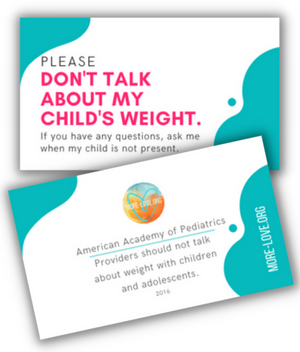
In July dietitian Lizzie Briasco and others in North Carolina organized a screening of the film, which provided an opportunity for eating disorder professionals and community members to gather and watch Gordon’s story in a supportive environment. Along with other informative materials, attendees were offered our Please Donโ€™t Weigh Me Cards, which were created to counteract weight stigma at the doctor’s office.

Hereโ€™s Lizzieโ€™s inside scoop of the event:ย 

How many people came?

We had 70 attendees – a full house! The event could not have gone better. Iโ€™m not sure what I was expecting, but we surpassed it.

Why do you think people came to the screening? 

People came to the screening because they were curious to learn more about the body liberation movement, find community, and learn more about sizeism/anti-fat bias through this film. 

They were looking for hope, connection, and the opportunity to feel seen, heard, and understood – and it was pretty clear they got that during both the film and our post-film discussion.ย By the end of the film, the whole room had laughed and cried together. It was magical to see, and very inspirational to hear people’s thoughts and insights afterwards.ย 

At the end of the day, we all want to feel like we’re a part of something – we don’t want to be alone. But that’s one of the biggest harms of sizeism – making people feel alone and vulnerable when, in reality, there’s a whole lot of other people struggling with similar feelings and lived experiences. To see so many people come together and realize this during this screening was awesome.

What was the vibe in the room?

The general vibe was anticipation, some apprehension, and excitement. We had a lot of resources and some activities for people to participate in which fostered some thought-provoking dialogue around people’s experiences with diet culture and sharing some of their own stories with friends and even some strangers who may have felt safer to talk with because of the atmosphere.

I observed the audience showing rapt attention, relief, grief, anger, surprise, and hope. I saw people laughing together, crying together, and friends rubbing friends’ backs. 

Some expressed frustration and anger at how much Aubrey’s family misses the mark at holiday gatherings by celebrating her work but then immediately makes negative food and body comments. I think the whole room was shocked, disappointed, confused, and hurt when we were watching the scene with the gluten-free, sugar-free birthday cake her dad got her. 

How did people feel after watching the film?

I think people felt gratitude, thoughtfulness, validation, anger, and hope. Everyone had very positive things to say about the film and screening in general. The most meaningful part for a lot of folks was someone finally saying what they have been trying to say their whole lives. 

Other things people highlighted were the very real danger that can come just from existing in a fat body, learning how cyclical (and ineffective) the diet/”wellness” industry is, and finding some relief in knowing that their bodies were never actually the issueโ€“the messages they’ve received about their bodies pretty much their whole lives are.

Event Organizers & Sponsors


Ginny Jones is the founder of More-Love.org, and a Parent Coach who helps parents who have kids with eating disorders.

Posted on 2 Comments

How to help when your tween says theyโ€™re โ€œfatโ€ and other tricky situations

What to do when your tween says theyโ€™re โ€œfatโ€ and other tricky situations

Itโ€™s not uncommon for a tween to say theyโ€™re โ€œfatโ€ or otherwise struggle with their body image.

This is an understandable but devastating side effect of living in our culture. One study found that nearly half of girls aged 3-6 years old are afraid of being fat. It only gets worse as they get older unless parents actively intervene.

Our society is deeply fatphobic. Our kids are not immune.

Parents need to help kids, particularly those who are larger, live in their bodies safely and without shame. Here are my eight tips for parents facing tricky body image situations. 

This advice helps when treating eating disorders, preventing eating disorders, and preventing a broad array of mental health issues.

1. Donโ€™t tell them itโ€™s just baby fat/theyโ€™re not fat, etc.

When your tween says theyโ€™re โ€œfat,โ€ your first response may be to try and convince them they are not. But thatโ€™s not the best approach.

Donโ€™t say that they will grow out of it. And donโ€™t insist that they are not fat, they are beautiful.

These statements can make a child feel even more ashamed of their body. And it also opens the door for your child to perpetuate anti-fat bias in the world.

Teach them to be a good friend to themselves and a good citizen at the same time by acknowledging anti-fat bias and teaching them how to talk about bodies with dignity and respect. 

Donโ€™t say anything that suggests that fat is bad and something to get over and/or be ashamed of. 

Instead, talk about what it means to live in a larger body in our society. Help them understand that we are more than bodies. Give them the tools to live in the body they have.

Read more: How to protect your daughter from diet culture and fatphobia

2. Find out the feelings behind the word โ€œfatโ€

Fat can be a neutral descriptor, but it can also be a way to be cruel to ourselves.

Teach kids that itโ€™s not OK for them to be rude to themselves or use the word โ€œfatโ€ as a stand-in for negative feelings. 

Often when kids call themselves โ€œfatโ€ in a negative way, it means they are struggling with negative feelings. Ask questions.

Find out what โ€œfatโ€ means to them. Help them find the feeling words that fit.

In our society a tween who calls themself โ€œfatโ€ often means they feel sad, lonely, or rejected. 

Seek to understand and validate the feelings without trying to convince your child that they are already thin enough. The more we deny their experience, the deeper it will dig into their psyche. 

Read more: What to do when your tween daughter calls herself fat

3. Teach them about weight stigma and fatphobia

Bodies are a social justice issue. Body politics are filled with racism, sexism, and sizeism. Parents need to recognize that weight discrimination is harmful just like other forms of discrimination. Parents need to become social justice warriors who are willing to fight back against our culture of body hate.

We can build a kinder world for our children (and everyone), but itโ€™s not going to happen without effort. 

Teaching kids about weight stigma and fatphobia is protective and will help you raise a kinder human. Bodies are beautiful, unique, and healthiest when treated with dignity.

We need our kids to recognize that trying to control bodies or judging people for their bodies is harmful and unacceptable.

All bodies deserve dignity. Help your child know this deep in their bones.

Read more: Weight stigma and your child

4. Work on your own food and body issues

Your own body and food issues will trickle down to your child. Our kids are finely attuned to how we feel, so we have to work on ourselves to help them grow up strong and healthy.

Iโ€™m not blaming you here. We have all grown up in a toxic culture that treats bodies as objects to be controlled and criticized. But when you have a child, itโ€™s time to dig deeper and uncover your own food and body issues.

If you are dieting or otherwise controlling your weight, it’s time to stop. I know this is revolutionary, but we need to heal ourselves so we can help our kids thrive.

Please get support if you don’t know how to live without your bathroom scale and food plans. A therapist, dietitian, or coach can help you learn to practice Intuitive Eating and find peace with your body.

Read more: Get off the diet cycle and raise healthier kids

5. Teach them to accept their bodies (and never diet)

Trying to change our body size and shape doesnโ€™t work, and dieting increases the risk of an eating disorder by up to 15x. 

To prevent eating disorders and other serious mental health issues, I encourage parents to commit to the goal of helping kids never, ever, diet. 

This means we need to help them accept their weight, whatever it is. This is counter-culture, so we need to constantly remind our kids that body acceptance is the best path to health.

You may feel proud of a child who says they want to โ€œeat healthier,โ€ but this is the modern-day code for dieting. Instead, teach your child to listen to and trust their body instead of following external rules and goals. 

Of course, you can stock and serve fruits, vegetables, grains, and proteins. But serve them alongside carbs, fats, cookies, chips, and other great foods. 

All foods fit in a healthy lifestyle. And the more you support a nuanced, gentle approach to bodies, the healthier your child will be.

Read more: The science to support a non-diet, weight-neutral approach

6. Help them manage peer teasing (and bullying)

It sucks, but kids are cruel to other kidsโ€™ bodies. If you have a child who is larger, they will likely experience discrimination and teasing. But even smaller kids may experience cruel body-based taunting and jeers. 

Itโ€™s not fair, but donโ€™t make it worse by ignoring it or pretending it doesnโ€™t happen.

Teach your child to be confident and assertive about their body. Give your child some possible responses to fatphobic jokes, and support them in standing up for themselves and others. 

This is not unlike anti-racism work, where itโ€™s very important to prepare kids to not be passive bystanders when they witness body-based teasing and bullying. All kids should be given the tools to be โ€œupstandersโ€ when it comes to body-based teasing and bullying.

Make it easy for your child to report body-based teasing and bullying to you. And be prepared to speak with your schoolโ€™s administration when it inevitably happens. This is an under-reported aspect of bullying, so donโ€™t hesitate to say something!

Read more: Help your child deal with body shaming

7. Teach them to respond to adults who say โ€œwatch your weightโ€ and โ€œeat healthyโ€

Kids know that “watch your weight” and “eat healthy” is code for โ€œyour body and appetite are unacceptable.โ€ Teach them that these comments are common, but they may hurt your child’s feelings, and you understand why.

Empower your child to politely but assertively respond to these adults. A simple โ€œIโ€™m good, thanks,โ€ can work well. They can also say โ€œplease donโ€™t talk about my body/weight/food.โ€ 

Some adults may become offended, but that’s just because they haven’t thought about how harmful their comments about weight and food can be. There’s nothing inappropriate about your child setting boundaries about what adults say to them about their body and food.

Read more: Don’t talk about my child’s weight

Read more: Opt-out of school weight programs

8. Work harder to find age-appropriate, comfortable clothing

If you have a child in a larger body, youโ€™ll need to work a little harder to help them have fun with fashion. Larger kids need a little extra effort and attention because the clothing industry does not recognize size diversity. 

Do your research and make sure that stores carry their size before you take them shopping. 

Remind them that the problem is never their body, itโ€™s the sizeist fashion industry. And when things don’t fit, teach them to blame the clothes, not their body. 

Read more: How to shop for clothes when your daughter wears plus size

It’s sadly normal

It’s sadly normal for kids to feel bad about their bodies in our culture. Itโ€™s not uncommon for a tween to say theyโ€™re โ€œfatโ€ or otherwise struggle with their body image.

The best thing parents can do is be prepared and proactive rather than reactive when it comes to body image issues.

And if your tween does say they’re “fat” or are otherwise distressed about their body, respond with compassion and understanding rather than trying to dismiss their feelings.


Ginny Jones is the founder of More-Love.org, and a Parent Coach who helps parents who have kids with eating disorders.

Posted on Leave a comment

What to say to big kids (from adults who’ve been there)

What to say to big kids (from adults who've been there)

Are you wondering what to say to kids in larger bodiesโ€”and how to say it with care, respect, and lasting impact? Whether youโ€™re a parent, teacher, doctor, coach, grandparent, aunt, uncle, or any other trusted adult, your words matter more than you may realize.

Fortunately, we have some powerful guidance. A recent social media thread gathered hundreds of responses from adults who grew up as self-identified โ€œfat kids,โ€ sharing what they wished the important adults in their lives had said to them. Their insights offer a valuable roadmap for how to support kids with compassion instead of shame.

A word about the word “fat”

The word fat can be used as a negative or a neutral descriptor. In its neutral form, saying fat is the same as saying thin, tall, or brown-eyed. Other words for fat bodies, such as overweight and obese, are currently considered to be stigmatizing. Many fat justice leaders have reclaimed the word fat as the preferred neutral descriptor for their bodies. As such, I typically use the word fat when referring to body weight as a physical feature.

However, due to our culture’s terrible history of weight-shaming, we should not call an individual fat unless we 1) are doing so kindly 2) have zero thoughts that they should lose weight; and 3) clearly have their permission to do so. And nobody should ever use fat as an insult. It’s always best to let people who live in marginalized bodies to define themselves rather than assuming a label on their behalf. And never tell a person in a larger body that they are not fat or should be proud to be fat. It’s their body and their choice to define themselves on their own terms.

What not to say to bigger kids

I’m going to just start with what not to say to bigger kids. The fact is that kids in larger bodies are subject to constant scrutiny and discrimination. This is a sad fact of our culture. A lot of well-meaning adults say things to larger kids that they think will be helpful but are in fact incredibly harmful. Here is a quick guide:

Don’t say:

  • You’re not fat; you’re beautiful: if a child is fat, they know they’re fat. Don’t deny them the truth of their body. When we jump in with a comment like this, we risk adding shame to the word “fat.”
  • You just need to [eat less/move more/eat healthy/]: the implication here is that weight is a choice. Would you tell a child who is short that they just need to stretch their body? No. So don’t tell a child who is larger that they just need to shrink their body.
  • You shouldn’t wear that: there are a lot of opinions about what bigger people should and shouldn’t wear. But if you would let a thin child wear something, then restricting a larger child from wearing the same thing is discrimination.
  • Don’t eat that: there are a lot of variations and ways that adults try to restrict how much and what larger kids eat. But research shows that bigger kids eat about the same as thin kids. The difference is mostly genetics and environment, not food.
  • You’ll grow out of it: this comment can have lifetime effects because many children then begin to worry about how they can make sure they get thinner. They assume that thin is better, and therefore begin the lifelong pain of hating their bodies.

Here’s what we know for sure: when adults tell kids there is a problem with their weight, those children are more likely to grow up to be heavier than kids who were not told their weight was a problem. This research stays steady regardless of genetics and environment. Thus, all those adults who think that kids need to “watch their weight” are in fact setting them up to gain weight.

Why? Most likely because cortisol (stress) is linked to weight. And kids who are raised believing there is a problem with their bodies feel more stress. Also, restriction of any kind leads to compensation. So if you restrict sugar or any food for kids, they are very likely to binge eat those foods when given a chance. This isn’t deviant or “bad,” it’s simple biology.

Here’s a simple guide: if you’re about to say something to a fat kid that you wouldn’t say to a thin kid, don’t do it. And give larger kids extra love and affection to counteract the discrimination they’re facing elsewhere in the world.

The science behind all my statements about weight is available in our Research Library.

What we should say to big kids

Larger kids, like all kids, deserve love, affection, acceptance, and respect. The rules don’t change based on a person’s body size. What we should say to big kids is mostly the same as what we should say to all kids. But parents who have larger kids should probably say these things even more because larger bodies are treated so badly in our culture. You’re going to need to counteract societal messages to keep your kids safe from eating disorders and other serious health concerns caused by weight stigma. The important thing is to honor and respect your child for who they are, regardless of their body size.

Here are the basics:

  • You are loved
  • I accept you as you are
  • You are beautiful
  • You are worthy & valuable
  • You don’t deserve to be mistreated
  • There is nothing wrong with you

If you find it difficult to imagine saying any of these things to a child who is larger, then I want you to think about why. It would be easy to say these things to a smaller child, right? But we should never discriminate against someone for the size of their body. Even though we have been told body weight is within our control, it’s not. So when adults can easily say these things to smaller children but not larger children, stigma and discrimination are at play.

And children in larger bodies need to hear these things even more than children in smaller bodies. This is because our society is cruel to larger people. It’s not right, but it’s true. So your love and acceptance are needed even more in a child who lives in a marginalized body. Remember that the child’s body is not a choice, but it is an integral part of who they are. You should neither ignore their weight nor perceive their weight as a problem.

The answers below were provided in answer to the question “if you were a fat kid, whatโ€™s one thing you needed to hear from a trusted and loved adult?” The post was originally created on Instagram by @fatfuturescollective and reposted by @thebodyisnotanapology. I’ve kept the comments anonymous, lightly edited, and categorized them below.

You are loved

This was BY FAR the most common comment. And it’s heartbreaking that so many people felt unloved because of their bodies. How can you make your child feel loved today?

  • I love you just as you are.
  • I’d have wanted to be told I was loved, I was worthy of love and respect, that I didn’t have to try to make everyone like me.
  • You don’t need to shrink yourself to be loved
  • You’re actually already just great, so, what feels good and beautiful to YOU? What makes your heart sing? Let’s do more of THAT.
  • That I was just fine as I was, lovable and valued at any weight.
  • You are so loved!!!
  • That Iโ€™m perfect and loved just the way I am.
  • Youโ€™re lovely and loved.
  • No one needs to apologize for the space they occupy. We are all worthy, holy, loved beings.
  • You are loved, you are good just as you are.
  • I love you for who you are.
  • You are precious and worthy.
  • There is nothing wrong with your shape and size.
  • Losing weight could not possibly make me love you more.
  • I’m proud of you for who you are.
  • You are safe, you are loved, and good enough exactly as you are.
  • You are loveable.

I accept you as you are

Accepting a child is so close to loving a child that most people can’t tell the difference. Larger children know they face discrimination in the world. Can you be a person who accepts them exactly as they are?

  • Your body belongs here with us and for you, just as it is.
  • Your body is amazingly strong and beautiful as it is.
  • You are welcome to exist as you are, and you are loved.
  • There is nothing wrong with you.
  • You don’t need to change and you deserve all the happiness, joy and love you can find in this life.
  • You do not need to lose weight to be loved.
  • You’re perfect just how you are and you don’t need to change anything about yourself!
  • You are not too much and not too little. You are just enough, and worthy of love.
  • That I was lovable, beautiful, and acceptable just as I was.
  • You are perfect just the way you are! It would have saved me so much turmoil if someone would have just told me that.
  • That my weight wasn’t a character flaw, and I wasn’t ‘bad.’
  • I wish someone had told me not to be ashamed of myself and to love myself no matter what size I was.

You are beautiful

All children want to feel beautiful in their others’ eyes. And larger children get very little validation that they are beautiful. Examine your own biases and make sure that you’re complimenting bigger kids as often as you are complimenting thinner kids.

  • I would have loved to been complimented on my clothes like other girl children.
  • I used to really love hearing “your outfit looks great today”. As I got older and gained weight into my teens, I never heard it anymore about anything I did and realized it must be because I was getting fat.
  • That I’m beautiful. I wasn’t ever told this. So now I have this weird thing where I know I’m beautiful but am never sure if others see my beauty.
  • Your body is perfect just the way it is.
  • You are lovely as you are, not โ€œyouโ€™d be such much prettier if you lost weightโ€
  • That fat changes nothing. Youโ€™re beautiful. Youโ€™re cherished.
  • You’re beautiful, you have a bright future, you are so talented, you are so loved, etc.
  • That outfit looks amazing!
  • You donโ€™t need to hide that part of your body.
  • You are beautiful and powerful.
  • All bodies are beautiful worthy of love and celebration.
  • You are beautiful, resilient, empathetic, resourceful, and above all, you are ENOUGH.
  • That dress looks beautiful on you.

You are worthy & valuable

Every child deserves to feel worthy and valuable in this world. This is a basic human right. What can you do to make sure the child feels worthy of your affection?

  • I would be saving so much money on therapy if they told me my value and worth are not measured by my size!
  • Your body is and always will be valid and powerful and uniquely beautifully yours.
  • Your value in life isnโ€™t determined by how skinny you are. People obsessing over your body has nothing to do with you and everything to do with them.
  • Youโ€™re enough as you are. Anybody that doubts that or tells you differently is wrong.
  • You are incredible, beautiful, and worthy RIGHT NOW.
  • That who I am and what I do in life is not defined by my body.
  • You are worthy exactly as you are. Your dreams, hopes, desires, and passions are treasures are what I care about, not what your body looks like.
  • We are all worthy of joy and love.
  • You are not innately bad or wrong for having the body you have; you are enough; you have value; you are brilliant and strong.
  • The shape of your body does not change your absolute worthiness of love and care.

You don’t deserve to be mistreated

Many bigger kids are mistreated both at home and outside in the world. It’s important for adults to stand up for children who are being mistreated. Don’t dismiss fat-shaming and teasing as “normal.” It’s simple discrimination, and if you wouldn’t accept it based on race, ability, or gender, then you should not accept it based on weight.

  • You don’t owe anyone thinness or good health or beauty, you have the right to be respected however you show up in the world.
  • I needed someone to tell me that it wasnโ€™t my fault that no one wanted to be my friend or that I was being bullied and teased.
  • What people say about you is a reflection of themselves.
  • I needed to hear adults shut down fatphobic comments and jokes as they happened rather than look embarrassed or laughing nervously at them.
  • I wish someone would have explained to me that the problem was not me, but the insecurity of my peers. That their cruelty was a reflection of them, not me.
  • I will help make school/gym class/dance class a safe place for you and everyone else.
  • Youโ€™re more than the names they call you. I love you and will take care of you.
  • That being fat is absolutely NOT the worst thing you can be. Being narcissistic, selfish, mean, abusive, making other people feel less worthy for ANY reason are all worse than being fat.
  • There is nothing wrong with your size – we are all different & there is beauty in all bodies. When bullies make fun of your size, remember that you are okay, you are loved.
  • I wish someone had told me that I didn’t deserve to be mistreated and then done something about it.
  • If people treat you badly because of your body, that is a real problem and you deserve support but it is not your fault. You and your body deserve respect and kindness inherently.
  • โ€œWho are your bullies?โ€ And โ€œHereโ€™s how I can help.โ€
  • Nobody has the right to humiliate you or make fun of you. This is not ok.

There is nothing wrong with you

So many fat kids are told there is something wrong with them. That they are the cause of their body weight. But we know that weight is mostly genetic and environmental. We have almost no control over our weight. Help your child know that their body is good.

  • All bodies are good bodies. Youโ€™re not lazy. You deserve to eat.
  • There is nothing wrong with you and there is everything wrong with diet culture.
  • You don’t need to work so hard to change yourself. Just be.
  • Letโ€™s buy you clothes that fit you. Letโ€™s not buy clothes for you to shrink into or clothes that tent and hide your whole body.
  • Itโ€™s OK that your belly sticks out.
  • Your body is strong, beautiful, and worthy of all the love. Honor it and it carries you through your joyful life.
  • The body you have right now is the right body.
  • That my body was a good body no matter how it looks. It keeps me alive
  • You have fat on your body, that’s normal, there’s nothing wrong with it and you don’t need to change.
  • Your body is perfect and you donโ€™t need to change it.

You don’t need to change yourself

Bigger kids feel as if they need to change themselves in order to be loved. Make sure you counteract this harmful belief.

  • You don’t need to change for anyone. Just be you.
  • You don’t need to be thin to be happy and healthy.
  • Your body doesnโ€™t need to be fixed- thereโ€™s nothing wrong with it
  • Losing weight will NOT magically change your life and make everything better.
  • Move your body because it feels good and you enjoy it. Don’t worry about numbers or loss. Just enjoy the dance.
  • That you can be โ€œoverweightโ€ and healthy (weight does not mean health or lack thereof). That all bodies are different and all shapes and sizes are beautiful!
  • You donโ€™t have to diet to be a good person. Bodies change and weight does not define your worth. You are enough and you always will be enough.
  • You don’t need to diet just because someone else thinks you’re fat or because everyone else is doing it.
  • Skinny and strong are two different things, and your size isnโ€™t evidence of health.
  • I wish my mom had told me that my body didn’t define what I could and couldn’t do.
  • Some people are born into smaller bodies. They most likely didn’t do anything differently from you.
  • You are not the problem, it is society’s expectations that are the problem. Your body is valuable and good, every day, at every size.
  • People and society will make up stories about you because they can only see one aspect of who you are. Resist the temptation to believe them. The richness of your life and your value donโ€™t lie in these stories. Manifest and cultivate your whole self in context – your inner life as well as your wonderful, able, powerful body.
  • You donโ€™t have to lose weight to be worthy, and you donโ€™t have to lose weight for people to love you.

Be yourself

Every person should be encouraged to be their authentic self. This includes dressing the way you want to, doing the activities you enjoy, and living your life regardless of body weight.

  • You do not need to be a certain size to do all the things!
  • Sure, you can wear the cute leotard to gymnastics class. No need to cover up in baggy shorts and a t-shirt.
  • You can let your belly relax.
  • Wear what makes YOU feel good!
  • Your body doesnโ€™t define you.
  • It’s okay to take up space with your body.
  • Some people are just made to be bigger, bolder, brighter!
  • You donโ€™t have to compensate to fit in.
  • Donโ€™t let being fat keep you from trying things. Be physical, be in your body, itโ€™s OK.
  • You can take up as much space as you want – your thoughts and your heart are valuable and precious; your body doesn’t invalidate those things.
  • Bodies are constantly changing. Trust your body and listen to its needs. Everything else will fall in place as it should.
  • You donโ€™t have to sit on the sidelines. Letโ€™s go have some fun!
  • I needed to be asked โ€œwhat do YOU want?โ€ instead of having everyone else tell me what they wanted: how my body should look, how I should eat, how to move, and that I should accept all of it. Knowing that I could have questioned all of the shame heaped on me in my youth openly earlier on would have allowed me to share some of that pain rather than bearing it alone.

Listen to your body

Bodies are wise, and they should be in charge of how we feed them. If a body is hungry, it should be fed. So many larger kids are put on diets, and it’s incredibly harmful. Look carefully for subconscious beliefs about how much you think your child should eat, and remember that food is nourishment. It is essential to life. And we know that the No. 1 outcome of food restriction is weight gain.

  • You donโ€™t need to diet!!!!! Your body is perfect the way it is and dieting will harm it more than being fat ever will!
  • Have seconds if you’re still hungry.
  • Eat. I wish I was told it was okay to eat. Instead of receiving dirty looks as I went for more or had dessert.
  • Listen to your body. If you’re hungry, eat.
  • Donโ€™t skip meals! If youโ€™re hungry, eat.
  • You can have as much as you want.
  • Often the reason we overeat is that we under-ate earlier or are being restricted.
  • It’s okay to enjoy your food!
  • I will never put you on a diet or pressure you about your weight or food choices.
  • Restrictive dieting is not a righteous way to treat your body as a temple. Neither is punishing exercise. You don’t have to earn food.
  • I’m happy to feed you and glad to see you eat.

Fat is fine

Just because our culture pathologizes fat doesn’t mean that being fat is a problem. A body is never a problem unless other people make it so. Normalize fatness, and seek ways to let your child know that there is nothing wrong with their body.

  • Your body is magic. You have no idea yet how much it can do and feel and hold. I’m still learning its depths and wonders and the places it holds pain
  • Itโ€™s okay to be fat. You never have to โ€œgrow out of it.โ€
  • There’s nothing wrong with you.
  • You have nothing to fix or change when it comes to your body.
  • Your body is a miracle, fearfully and wonderfully made, just as it is right now and always.
  • You will be loved and it won’t be despite your weight.
  • Fat adults are still loved, healthy and happy people
  • People are all born differently, some are thin some are fat some are short some are tall, and being fat is nothing to be ashamed of.
  • Thinness does not equal happiness. Learning to love your body will be one of the most freeing experiences you will ever accomplish.
  • I wish I’d seen the fat adults in my life loving their bodies and modeling that.
  • You can be fat and desired, fat and beautiful, fat and strong, fat and healthy. Food is to nourish and sustain you and it’s delicious. Movement is to be enjoyed.
  • It would have really helped me to know that fat people find love and intimacy and aren’t automatically social rejects. I was so ashamed because I thought I couldn’t be attractive and therefore couldn’t be loved.

If you love a larger kid, then please keep this list of what to say nearby. Remember that larger kids are just as worthy of our love and acceptance as thin kids. And they are highly sensitive to weight stigma, which has serious health impacts. A larger child knows when their parents, coaches, teachers, and doctors think they are “too fat.” And it’s devastating. Adults’ perception of fat is far worse for a child than the fat itself. Let’s do better!


Ginny Jones is the founder of More-Love.org, and a Parent Coach who helps parents who have kids with eating disorders.

Posted on Leave a comment

Cรณmo comprar ropa cuando tu hija utiliza tallas grandes

Cรณmo comprar ropa cuando tu hija utiliza tallas grandes

Los cuerpos vienen en todas las tallas, y si usted tiene una hija que utiliza tallas grandes, necesita considerar cรณmo ayudarle a encontrar prendas de ropa que la hagan sentir bien. La ropa en tallas grandes para niรฑas, y ropa talla grande junior puede ser difรญcil de encontrar, pero los padres pueden hacer el proceso mucho mรกs fรกcil al identificar tiendas al por menor que venden tallas grandes, poniรฉndose ademรกs creativos con las compras en lรญnea.

Algunas tiendas en lรญnea que venden โ€œropa talla grande para niรฑasโ€ son:

Algunas tiendas en lรญnea que venden โ€œropa talla grande juniorโ€ son:

Cosas en las que pensar al momento de comprar ropa de talla grande para niรฑas

Vivimos en una sociedad que promueve ideales corporales daรฑinos. Los cuerpos vienen en una amplia variedad de formas y tallas. Pero la industria de la moda hace ropa para un reducido -literalmente- tipo de cuerpo. La falta de moda en tallas grandes para niรฑas e infantes es frustrante para los padres.

Los niรฑos que viven en cuerpos mรกs grandes estรกn en riesgo de odiar su propio cuerpo, tener una mala alimentaciรณn, y de sufrir desรณrdenes alimenticios. Esta no es una sorpresa, debido a que es difรญcil vivir en un cuerpo mรกs grande en nuestra sociedad.

Le recomendamos a los padres que tienen niรฑas de talla grande, preadolescentes, y adolescentes, aprender sobre Salud en Cada Talla. Este enfoque anima a los padres a aceptar completamente el cuerpo de sus hijas. Pero incluso para los padres mรกs comprensivos serรก difรญcil ayudar a sus hijos a sentirse cรณmodos cuando las tiendas fallan en la labor de vender ropa talla grande para niรฑas.

Cuando comprar no es divertido porque hay una falta de ropa talla grande para niรฑas

Ir de compras -un rito de iniciaciรณn para todo adolescente- puede ser una situaciรณn tensa cuando se estรก buscando ropa en tallas grandes para niรฑas. Puede ser que las prendas de ropa no les queden bien, pueden ser un poco ajustadas en ciertas partes, y demasiado holgadas en otras. Aรบn peor, muchas tiendas de ropa ni siquiera venden ropa talla grande para niรฑas.

Las crisis de compras son comunes durante este momento delicado en el crecimiento fรญsico y el desarrollo emocional de una niรฑa. Los padres y sus hijas pueden sentirse muy mal consigo mismos porque hay muy pocas opciones disponibles.

De hecho, ir de compras puede ser un desencadenante importante para el comienzo de problemas con el odio corporal y las dietas. Dado que la dieta es un factor de riesgo importante para los trastornos alimentarios, es importante abordar las dificultades que generan las compras.

Por esta razรณn es una buena idea pensar de manera crรญtica sobre la ropa antes de ir a comprar con tu hija. La educaciรณn puede ayudarle a usted y a ella a entender las opciones y a moverse por los probadores sin ninguna vergรผenza.

La mayorรญa de las prendas estรกn hechas para “tallas รบnicas”

La gran mayorรญa de la ropa disponible en las tiendas minoristas es para “tallas รบnicas”, las cuales van desde la talla 0-12 para adultos. A las personas que viven con cuerpos mรกs grandes les resulta extremadamente difรญcil encontrar ropa elegante en su talla.

En 2012, se estimรณ que 67% de las mujeres estadounidenses son de “talla grande” (talla 14 o mรกs) (Bloomberg). Sin embargo, a la ropa de talla grande a menudo se le da una pequeรฑa fracciรณn del espacio en las tiendas departamentales. Lamentablemente, la mayorรญa de los minoristas masivos no se adaptan a tamaรฑos superiores a 12.

Esto significa que las personas que viven en cuerpos mรกs grandes tienen dificultades para encontrar ropa que satisfaga sus necesidades corporales y estilo personal.

La excusa de los diseรฑadores de moda es que hacer ropa de talla grande es difรญcil. Esto seguirรก siendo cierto siempre que los consumidores acepten la falta de selecciรณn de ropa de talla grande. Necesitamos aumentar la presiรณn sobre los minoristas y los diseรฑadores de moda para que vistan a nuestras niรฑas, preadolescentes y adolescentes mรกs grandes.

Tallas de ropa para niรฑas y niรฑos

La ropa de los niรฑos se basa en la edad. Esto supone una curva de crecimiento recta en la que los niรฑos crecen a un ritmo estรกndar. Sin embargo, no todos los cuerpos estรกn hechos para ser rectos. Por ejemplo, una niรฑa de 8 aรฑos puede necesitar una talla 12 para adaptarse a su cintura, pero una talla 12 es demasiado larga.

El momento mรกs difรญcil para las niรฑas de talla grande es cuando se encuentran entre las tallas de ropa infantil y juvenil. Por ejemplo, una niรฑa de 10 aรฑos puede necesitar una talla 2 juvenil que se ajuste a su cintura, pero los agujeros del cuello, de los brazos y el largo estรกn mal. Las tallas juveniles pequeรฑas dan demasiado espacio para el busto, no hay suficiente espacio para la barriga y la longitud es incorrecta para la mayorรญa de los niรฑos.

Tallas de ropa Junior

Las tallas para niรฑos terminan a los 12 aรฑos, momento en el que una niรฑa ingresa al departamento juvenil. Una adolescente de 13 aรฑos de talla grande no podrรก usar la talla 5 o 7 de junior. Necesita ropa que se ajuste a la forma de su cuerpo. Las tallas รบnicas asumen que crecemos de acuerdo con los estรกndares de belleza delgados, sin embargo, la mayorรญa de nosotros no crecemos asรญ.

Este desajuste ocurre justo cuando las niรฑas aumentan de peso en la pubertad, y sus formas estรกn en transiciรณn. Es como si las tallas junior olvidaran que los cuerpos de las preadolescentes aumentan de peso y crecen de manera impredecible. Las tallas รบnicas asumen una proporciรณn estรกndar de pecho, cintura y cadera que no se ajusta a la mayorรญa de la poblaciรณn.

Tallas de las marcas

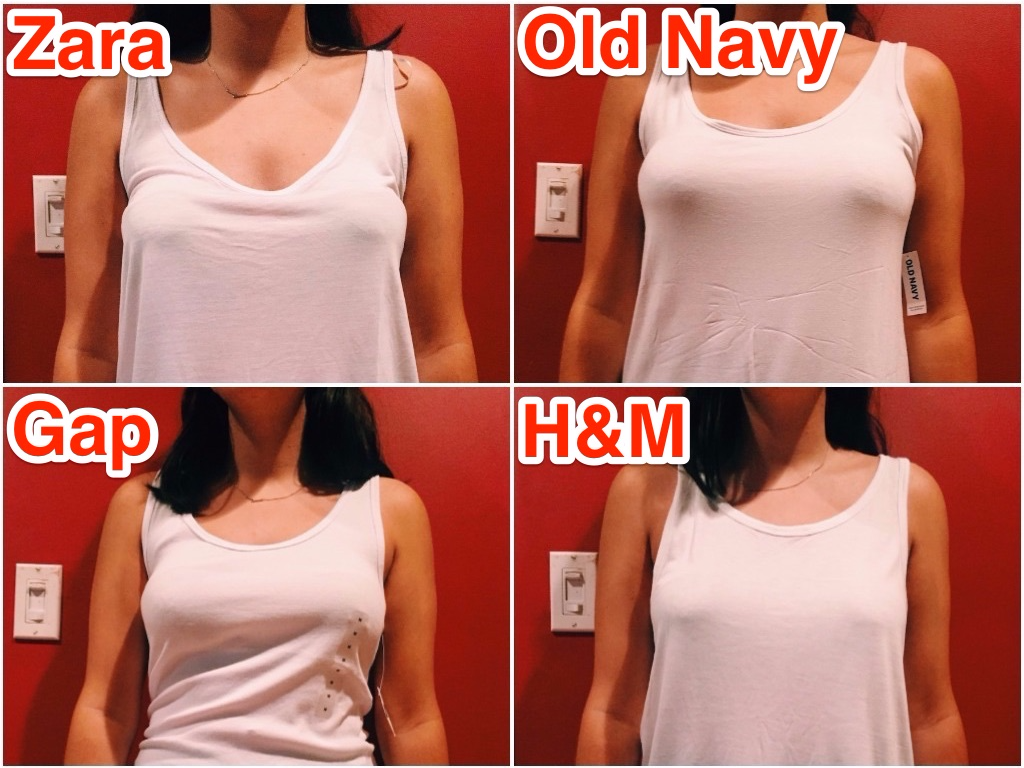
Cada marca usa su propia tabla de tallas. Esto significa que la talla de una mujer puede variar hasta en cuatro tamaรฑos segรบn la marca de ropa. Esto agrega un estrรฉs significativo para las personas que viven en cuerpos mรกs grandes, las cuales ya se sienten increรญblemente vulnerables en el vestuario y los probadores.

Es posible que una adolescente que tenga mรกs peso en sus muslos no pueda usar ropa de una marca determinada. Una adolescente que lleve el peso en su busto puede encajar perfectamente con esa marca. Esto sucede tanto con las tallas รบnicas, como con las tallas grandes.

La variaciรณn entre marcas puede ser asombrosa e inimaginable. Aquรญ hay una mujer probรกndose la misma talla en diferentes marcas:

girls plus size clothing size comparison same brand
Source: Business Insider

Cรณmo comprar en la tienda

Para evitar generar vergรผenza corporal y angustia, investigue un poco antes de ir de compras con su hija. Primero, identifique si su hija es de talla รบnica o talla grande.

Si su hija usa una talla รบnica, podrรก encontrar ropa para ella en la mayorรญa de las principales tiendas. Pero las niรฑas que estรกn en el lado grande de las tallas รบnicas, o que son de talla grande, pueden vรฉrsela mรกs difรญcil al momento de elegir. Usted desea minimizar el dolor de no poder usar el tamaรฑo mรกs grande de la tienda. Si su hija es de talla grande, es probable que tenga mรกs dificultades para encontrar opciones en su centro comercial local.

1. Sea un explorador de la moda:

Vale la pena hacer un poco de exploraciรณn por adelantado. Averigรผe si los minoristas locales venden ropa de talla grande para niรฑas y talla grande para jรณvenes. Es mejor no traer a su hija a sus expediciones de exploraciรณn. Puede ser frustrante para ambos ver que no hay tallas grandes. Resguarde a su hija de la evidencia externa de que algo estรก mal con su cuerpo. Probablemente ya se estรฉ enfrentando a eso todos los dรญas. No podemos proteger a nuestras hijas de los constantes recordatorios de que su cuerpo no se ajusta a nuestro ideal cultural. Pero podemos protegerla de la exposiciรณn innecesaria a las tragedias de la moda.

2. Aumenta los tamaรฑos

Al comprar ropa en una tienda minorista, la clave es prepararse con anticipaciรณn para “aumentar el tamaรฑo”. Esto es especialmente acertado si su hija ha aumentado de peso recientemente o su cuerpo ha cambiado.

Aumentar los tamaรฑos significa que usted elegirรก varios tamaรฑos de la misma prenda, incluido alguno del que tiene la seguridad de que serรก demasiado grande. Igualmente trate de evitar seleccionar algo que estรฉ bastante seguro de que serรก muy pequeรฑo. Haga que su hija se pruebe la ropa desde la talla mรกs grande hasta la mรกs pequeรฑa. Evite mirar la etiqueta de tamaรฑo mientras se prueba. Esto la ayudarรก a disfrutar de cualquier tamaรฑo que realmente le quede, en lugar de empezar con algo pequeรฑo y tratar de forzar su cuerpo a algo incรณmodo o desesperado por el tamaรฑo de su cuerpo.

Anรญmela a ignorar la talla de la etiqueta mientras se prueba la ropa, recordรกndole que cada marca tiene un tamaรฑo diferente y que es importante comprar cosas que le queden bien, independientemente de la talla de la etiqueta. Tenga cuidado al evitar juzgar el proceso de las tallas.

3. No elogie la talla de la ropa

Si le queda un tamaรฑo mรกs pequeรฑo de lo que esperaba, no la elogie por tener un cuerpo mรกs pequeรฑo. Solo reconozca que la prenda le queda bien. Si ella es muy grande para la prenda mรกs grande de un determinado estilo, recuรฉrdele que esa talla es una locura.

Recuerde: si los pantalones no le quedan, es culpa de los pantalones, no de su cuerpo.

Si los pantalones le quedan o no, eso nunca debe significar que usted elogie o desapruebe el cuerpo de su hija. Recuรฉrdele a su hija que el trabajo de la ropa es adaptarse a su cuerpo. No es trabajo de su cuerpo adaptarse a la ropa.

Cรณmo hacer que las compras en lรญnea funcionen

Desafortunadamente, la mayorรญa de las principales tiendas de ropa no ofrecen ropa de talla grande y, si lo hacen, puede ser muy limitada. Una excepciรณn para los Juniors es Forever 21 y H&M, las cuales hacen un trabajo decente al incluir tallas grandes junior directamente en las tiendas.

Muchos minoristas ofrecen tallas grandes en lรญnea. Las compras en lรญnea no son lo mismo que un viaje de compras tradicional, pero es posible que su hija lo prefiera asรญ.

1. Ordene mรกs

Juntas pueden buscar minoristas en lรญnea, llenar carritos de compras y realizar pedidos. Si puede, haga un pedido excesivo de la ropa asumiendo que probablemente devolverรก entre 30% y 70% de toda la ropa comprada en lรญnea. Si su presupuesto lo permite, pida al menos dos tamaรฑos de cada artรญculo para que haya mรกs opciones.

2. Tome medidas

ยกHacer pedidos en exceso no siempre es posible! La alternativa es tomar medidas corporales cuidadosas y consultar las tablas de tallas de cada tienda.

3. Llene el carrito

Considere que su hija haga la parte “divertida” de agregar las cosas que le gustan al carrito. Considere usted asumir la parte difรญcil/frustrante de decidir quรฉ tamaรฑo pedir.

4. Planifique un dรญa de prueba

Espere hasta que lleguen todos los paquetes y tenga un dรญa de prueba. Esta puede ser una divertida rรฉplica de la experiencia en los vestuarios. Arregle toda la ropa en varios tamaรฑos. Diseรฑe diferentes atuendos y combinaciones. Ayude a su hija a evaluar quรฉ tan bien le queda la ropa y haga que se siente, se pare y corra con ella. Hagan una pila con lo que finalmente comprarรกn, lo que quizรกs elijan, y lo que definitivamente devolverรกn. Esto optimizarรก la experiencia de su hija y minimizarรก la vergรผenza por las tallas.

Esto es muy parecido al viaje de compras tradicional, pero en la comodidad del hogar. Una vez que tenga las pilas ordenadas segรบn lo bien que le quede la ropa, puede evaluar su presupuesto y devolver lo que no le queda.


Ginny Jones is the founder of More-Love.org, and a Parent Coach who helps parents who have kids with eating disorders.

Posted on 2 Comments

Are weight loss incentives for kids a good idea?

Are weight loss incentives for kids a good idea?

Many parents have heard about weight loss incentives for kids and wonder whether this approach might actually help. After all, we live in a culture that constantly warns parents to prevent weight gain and encourages them to โ€œkeep an eyeโ€ on their childrenโ€™s weight for health reasons.

It can feel natural to think that offering rewards or incentives will motivate kids to adopt healthier habits or lose weight more easily. But is this really a good idea? Do the potential benefits of weight loss incentives outweigh the risks?

The short and honest answer is: no.

Weight loss incentives for kids are not only ineffective in the long term, but they can also cause significant harm. While these incentives might seem like a simple way to encourage change, research and firsthand experiences reveal that any benefits are often fleeting. Worse, children who have been offered rewards or punishments tied to their weight frequently report a wide range of negative outcomes, from damaged self-esteem and increased anxiety to unhealthy relationships with food and their bodies. This parent guide will explore why weight loss incentives fall short and offer healthier, more compassionate ways for parents to support their childrenโ€™s well-being.

What are the most common outcomes of weight loss incentives for kids?

Weight loss may seem like a good idea. But 95% of people who intentionally lose weight gain it back, and 65% of people who lose weight gain back more. That’s regardless of the method of weight loss. Yes, it includes “moderation” and “clean eating” diets. However it’s accomplished, intentional weight loss has undeniably awful results for a supposed health recommendation.

But aside from the fact that diets fail, there are other important side effects of asking kids to lose weight, including:

  • Eating disorders
  • Body shame and insecurity
  • A lifetime of weight cycling, which damages health
  • Negative relationship with food
  • Feeling “less than” and ashamed of themselves
  • Disliking the parents/blaming the parent for body image issues

You may think that these impacts pale in comparison to the health implications of living in a larger body, but they do not. In fact we have been fed numerous lies about body fat and health. The bottom line is that health is not based on weight. There are many things parents can do to pursue health without ever using a scale, food restriction, or body shame.

๐Ÿ’ฅ And we should mention another outcome of intentional weight loss (AKA dieting) in childhood: higher adult body weight. That’s right. Children who diet have higher body weights compared to children who do not diet. This effect is likely based on a combination of the complex biological and psychological factors that establish body weight. If your goal is to raise a child who has low weight, then incentivizing your child to intentionally lose weight is one of the worst things you can do.

Weight loss incentives that damaged kids for life

๐Ÿ’ฅ ATTENTION: Under no circumstances should you think that this list has good ideas that you should follow in your own parenting. This is a list compiled from adults who have struggled with eating disorders and body image issues. And they attribute these health-damaging and life-threatening conditions in part to their parents’ misguided attempts to manage their weight.

  • My parents offered me $10 for every pound I lost. I was 10 years old.
  • I was told that I would get all new clothes if I lost weight.
  • We had a family weight chart and had weekly weigh-ins. The winner each week got to pick the movie for family movie night.
  • Mom took me shopping and let me pick out my favorite outfit. Then she bought it for me – in a smaller size – as incentive to lose weight.
  • My busy mom promised to spend time with me if we went to Weight Watchers meetings together.
  • Dad said that whichever of my siblings and I lost the most weight in 45 days would win $100.
  • I got a scale for my birthday one year, and was promised my “real” gift if I lost weight.

If there is any part of you that thinks the incentives above are healthy, you are mistaken. Putting kids on diets and incentivizing weight loss has far-reaching negative impacts on their health for life.

๐Ÿ’ฅ Kids who diet are 5-18x more likely to develop an eating disorder, the deadliest mental health condition.

๐Ÿ’ฅ And you may be surprised to know that kids who diet also have higher adult weights than those who don’t. That’s right. Putting your child on a diet today increases their weight as an adult.

The myth that weight equals health

It’s true that we live in a culture that says body weight is the key to health. But that’s incorrect. It’s been built on the false premise of the BMI, which has been thoroughly discredited yet is still used as a tool to assess health.

Why? It’s complicated. Weight stigma has a long history in our culture, and it has racist, classist, and sexist roots.

Lower weight has been an indication of purity, intelligence, and self-control for over a century. We equate weight with health, but what we are really doing is equating weight with class. A quick look at body weight statistics will show you that you are statistically more likely to be at a lower weight the more socially privileged you are. In our society, that means being white and wealthy.

And of course we can’t ignore the fact that weight loss is big business. The weight loss industry is currently $72B (2019), and it has been growing steadily at a fast pace for the past 50 years.

Parents understandably believe our societal bias, supported by massive marketing campaigns, that weight equals health. But they are mistaken. Strong relationships with our family and body respect are actually where we can make an impact on our kids’ lifetime health.

How parents damage food & body relationships

Kids look to their parents for validation and security. All children seek approval from their parents and long to be “good enough” for their parents’ love. This heartbreaking fact is why weight loss incentives for kids are so damaging and painful.

A child’s body is the child themself. They cannot separate their body from who they are. Thus, telling a child they need to change their body is the same as telling them they need to change who they are as a person to obtain love, affection, and respect.

Here’s what adults told us about what they learned when their parents incentivized weight loss: When my parents incentivized me to lose weight, I learned …

  • that something was wrong with me. I was imperfect. Disgusting
  • to associate being hungry with being loved
  • I wasn’t good enough. I was repulsive and embarrassing to them
  • acceptance was conditional, and that my parents would love me more if I was thin
  • that I was different, less “good” than kids who were thin

We heard from so many adults who wish their parents hadn’t put them on a diet or incentivized them to lose weight. Here are some especially poignant comments:

  • Today it’s hard to enjoy food without a guilty conscience.
  • I am in eating disorder recovery, and I can’t even talk to my parents right now.
  • My life revolves around my weight, and I live in constant fear that if I gain weight I will be worthless and alone forever.

What parents should actually do to improve kids’ health

Parents often think that raising healthy kids means raising thin kids. But health is far more complex and multi-faceted than a number on a scale. When parents focus on the scale, they often fail to nurture their kids in the critical health behaviors that positively improve health.

Here’s what parents can do to raise healthy kids:

  • Connect with each child emotionally, and maintain that connection no matter what. Building emotional safety in the parent-child relationship is possibly the single most important modifiable health behavior.
  • Ensure kids get plenty of rest and enough sleep every night. Lack of sleep is more directly associated with the health risks commonly ascribed to weight.
  • Do physical activities as a family and individually with each child in a way that is fun and fulfilling. Play together and hike together. Get outside together or do some stretching in the living room floor. Don’t base movement on outdated and harmful messages of pain and weight loss.
  • Eat together as often as possible, providing a broad range of food choices but never forcing foods or labeling foods as “good” or “bad.” Don’t restrict your own food in an effort to lose or control your weight.

You can also model healthy behaviors like:

  • Meaningful connections with friends and family
  • Taking care of your emotional needs
  • Not smoking, drinking, or otherwise depending on addictive substances
  • Moving your body in ways that feel good to you
  • Eating a diet filled with all food groups and foods that you enjoy and make you feel good

We have been told that weight determines health, but in fact it is the behaviors above, not a number on the scale, that determines our health. If we want to raise healthy kids, this is our roadmap. Weight’s got nothing to do with it.


Ginny Jones is the founder of More-Love.org, and a Parent Coach who helps parents who have kids with eating disorders.

Posted on 2 Comments

How to Take a Stand And Opt-Out of School Weight Programs โ€” Donโ€™t Weigh My Child!

How to Take a Stand And Opt-Out of School Weight Programs โ€” Donโ€™t Weigh My Child!

More and more schools are implementing programs that weigh children regularly, but many parents donโ€™t realize they usually have the option to opt out, and itโ€™s an option worth considering, no matter your childโ€™s weight. For most kids, school weigh-ins can be upsetting and stressful, causing unnecessary anxiety around their bodies. As parents, itโ€™s important to ask tough questions about whether this practice truly benefits our children or simply adds pressure and harm, increasing risk of negative body image and disordered eating.

Questions about school weigh-ins

  • Why should the school weigh my child?
  • How will this personal health data be used?
  • Given that this is private health data, how is my child’s privacy being protected?
  • Does weighing kids at school have any impact on their health?
  • Do the risks of weighing my child at school outweigh the benefits (if there are any)?

As parents, we have the right to ask these questions. Many times the answers are vague, and focus on “preventing childhood obesity.” But exactly how does weighing children at school do that? It turns out it doesn’t. Weighing kids at school has not been shown to impact their weight status or health. It has not reduced childhood obesity despite being in practice for decades.

A randomized controlled trial (the scientific gold standard) published in 2016 found that school-based weight interventions that included weighing children, nutrition counseling, and access to an after-school exercise program were not effective in reducing BMI or improving health behaviors. Journal of School Health

Dont weigh my child at school cards

Donโ€™t Weigh My Child at School Cards

You can give these cards to your school administration, your child’s teacher, or have your child keep them in their backpack to prevent at-school weigh-ins. Being weighed at school is a choice, not an obligation.

Terrifying kids nationwide

Kids do not like school weigh-in programs. When asked, they express confusion, concern, and even terror about being weighed at school. Children may ask to miss school on weigh-in days. This happens even when adults weigh the children one-on-one and don’t comment on the weights publicly.

Think about a group of children waiting in line, waiting to be weighed, watching their peers going in to be weighed. What do you think they are talking about? Weight! They are saying things like “what do you think he weighs?” “she’s so skinny!” and “I’m so fat!”

These are not healthy conversations for people of any age or size. They are a common side effect of being weighed at school while living in a culture of weight stigma.

Many adults remain traumatized by school weigh-in programs from their own childhoods 25+ years ago.

“I remember being weighed in front of all my friends at school when I was about 9. Iโ€™ve never been so embarrassed in my life! I was told in front of my whole class I was obese. That was the beginning of my eating disorder.”

While many schools attempt to avoid public shaming, the problems with school weight programs remain.

“I hated being weighed at school today. It’s all anyone talked about all day – their weight, other people’s weight. It was awful!”

Why we should opt out of school weight programs

School weight programs are a perfect example of people meaning well but doing harm. School weight programs have not been shown to have any benefit to the children who are weighed. They have not been shown to reduce weight individually or among populations. And even if they did, intentional weight loss is not associated with improved health, and may even lead to reduced health long-term.

A school that focuses any time on children’s weight is very likely to do more harm than good. Here are the reasons we opt out of school weight programs.

1. No evidence of positive impact

Given that we all know that being weighed at school is stressful, there should be good reason to do it. But even a carefully planned and expertly delivered weight program had zero impact on weight, health behaviors or health.

The study published in the Journal of School Health set itself up for success. It implemented an intensive 6-week program incorporating weekly 30-minute counseling sessions followed by a 6-month maintenance phase with monthly sessions and weekly weigh-ins.

Each visit included:

  • a weigh-in
  • review of diet and physical activity log
  • assessment of progress toward behavioral goals with a review of successes and strategies used and problem-solving challenges experienced
  • discussion of the sessionโ€™s topics using a student booklet
  • assessment of current behavior related to topics and discussion of challenges and strategies for improving
  • structured goal setting for the coming week.

A Food and Activity Tracking Log was provided to support the child in making healthy behavior changes. There was also a comprehensive exercise component.

Despite this advanced program developed by weight loss experts, students in the intervention did not show lower BMI, percent body fat, or waist circumference. Additionally, there were no differences in health behaviors compared to the control group.

Most schools do not have an advanced program like this in place, and merely weigh our kids with no follow-up. So what are they attempting to do when they weigh our kids?

2. Perpetuates weight stigma

There is no evidence to support any benefits of weighing kids at school. And worse, it often causes harm. One reason is that weighing kids at school perpetuates weight stigma. This is the assumption that people are “better” or “worse” based on their weight status.

School weigh-in programs, even those conducted following guidelines designed to minimize risk of stigma and bullying, perpetuate weight stigma and bring weight to the center of conversation for at least one day of the school year.

“I feel so ashamed standing in line to be weighed. Everyone is looking at me and they all know that I’m the fattest kid in the class. I feel their eyes on me and their judgement.”

Bringing weight into the school conversation alongside spelling, history, and math tells our kids that their body weight is just as important as their brain. It’s not.

Weight stigma is strongly associated with negative health outcomes. In fact, many suggest that the problems that have been associated with high body weight are more likely due to weight stigma.

Weight stigma shows up in every corner of our society already. It is in our homes, healthcare settings, and schools. But weight stigma is not making us healthier. In fact, a focus on weight reduction in U.S. schools and healthcare settings has occurred at the same time as rising national weights. In other words, it’s quite possible that weight-stigmatizing behaviors are making us gain weight!

3. Perpetuates diet culture

Another reason our children should not be weighed at school is that we live in a diet culture. This is the assumption that people can and should control their body weight through restrictive eating and increased exercise.

Our diet culture means that many children will restrict food leading up to the weigh-in, or will begin restricting after finding out their weight status at school. Diet culture means that we cannot weigh our children without simultaneously suggesting that they lose weight.

“Mom, I can’t understand how I’m “overweight.” Where? I just can’t figure out what I’m supposed to do with this information.”

Weight loss methods are often called “lifestyle changes,” but the majority of bodies require mild starvation in order to lose weight. Intentional weight loss is dieting, no matter what we call it. One study found that girls who diet are 25% more likely to develop an eating disorder.

Dieting, regardless of the specific method, has such massive failure rates and side effects that it should be permanently removed from practice. Intentional weight loss results in regain, often plus more, in 90-95% of cases. And it causes permanent changes to the metabolism, making future weight gain more likely.

Over and over again, studies have found that the most common side effect of intentional weight loss is higher weight. Take a moment to imagine healthcare and educational systems that recommend treatment with this level of failure. It’s outrageous.

Opt out: the best imperfect solution

In a perfect world, we would like schools to stop weighing children. However, with weight stigma deeply embedded in our culture, this is unlikely. Luckily, most school weight programs are “opt-out.” This means that parents have the option to opt out of having their child weighed at school.

We recommend that parents opt-out of having their children weighed at school for children of all sizes. This is part of our work towards social justice. Weight stigma will be perpetuated if only the kids in larger bodies opt-out of school weighing. But if kids of all size bodies opt-out, it is a firm statement that weight does not belong at school. It is a statement that all kids deserve to be free of weight stigma.

Check with your district regarding their weighing policy. Find out whether they weigh students and, if they do, whether you can opt out. If not, consider what options you have. Perhaps you can start a movement in your district, or at least at your school. Bodyweight is private medical data. Parents have the right to opt-out of their kids being weighed at school.

Health can be weight-free!

The good news is that not having your child weighed at school does not mean you don’t support your child’s health. In fact, in almost all cases, health exists completely separately from weight.

Schools can certainly improve kids’ health by focusing on movement and nutrition. As long as these programs are free from weight stigma and diet culture, they can be effective and helpful. A few basic principles should guide school health programs:

  • No food should be labeled “good” or “bad.” This includes “healthy” and “unhealthy,” which everyone knows is code for good/bad.
  • Exercise should never be promoted as a way to “shape up,” “get lean,” or lose weight.
  • There should be no mention of “no pain, no gain,” or other fitness euphemisms for suffering in order to look a certain way.
  • Adults should avoid labeling people who are thin as “healthy” compared to people who are larger. Body size is not a reliable indicator of health status.
  • Nobody should ever be told they need to “watch” their weight. Everybody knows this means restrict food and increase exercise, which is a diet.
  • Nobody should ever be complimented for weight loss. This perpetuates the idea that thinner is better.
  • Adults should never promote, discuss, or suggest any restrictive eating behaviors, including vegan, vegetarian, paleo, etc.

With these guidelines, schools can positively impact our kids’ health without any of the damaging side effects of weight-based health discussions. When our kids are free from body hate, disordered eating, and eating disorders, they are undoubtedly healthier.

Dont weigh my child at school cards

Donโ€™t Weigh My Child at School Cards

You can give these cards to your school administration, your child’s teacher, or have your child keep them in their backpack to prevent at-school weigh-ins. Being weighed at school is a choice, not an obligation.

More Ideas

Read More: Educators: please stop promoting dieting and weight loss to children; Let’s make school free of weight bias

Get our “Don’t Weigh My Child at School” cards to help.


Ginny Jones is the founder of More-Love.org, and a Parent Coach who helps parents who have kids with eating disorders.

Posted on 6 Comments

The Truth Behind Your Tween Daughter Calling Herself Fat + Powerful Ways to Help Her Build Confidence

The Truth Behind Your Tween Daughter Calling Herself Fat + Powerful Ways to Help Her Build Confidence

Hearing your tween daughter call herself โ€œfatโ€ can be heartbreaking and confusing. Itโ€™s a sign that sheโ€™s struggling with negative body image, something many young girls face as they navigate changing bodies and social pressures.

But thereโ€™s hope. Understanding why she feels this way is the first step toward helping her build lasting confidence and self-love. In this guide, weโ€™ll explore the truth behind these feelings and share powerful, practical ways you can support your daughter on her journey to a positive body image.

Tween body image starts early

Are you shocked because you didn’t expect her to think that about herself at such a young age? It’s sadly common. One study found that nearly half of girls aged 3-6 years old are afraid of being fat. This is a startling indication of the level of weight stigma and fatphobia we have achieved in our society.

There are two types of girls who worry they are “too fat.” First, there are girls who are in larger bodies according to their body weight. In other words, they are larger than many of their peers. These girls are given lectures at doctors’ appointments and have trouble finding clothing that fits them well in stores. Second, there are girls who are technically in smaller bodies. These girls are automatically assumed to be “healthy” based on their weight and have no trouble finding clothing in stores.

There’s a difference

It’s important to recognize the difference in these girls. We must understand that our girls know that in our society, being fat is considered a terrible thing. Societal messages constantly reinforce the idea that being thin is the path to health, happiness, and success. Thus it shouldn’t be surprising that tweens use the word “fat” as a slur. But also, when a tween girl feels bad about herself she will call herself “fat” as a stand in for feeling sad, bad, or lonely.

When a larger girl calls herself fat it is very likely she is experiencing discrimination, or fatphobia in the world. She must be supported in recognizing that fatphobia is wrong and harmful and accepting her body as it is. When a smaller girl calls herself fat she is perpetuating fatphobia. She has picked up on messages that fat is bad, and needs to be taught that it’s not OK to use fat as a slur against herself or others.

5 rules about the word “fat”

Maybe you’re surprised that I”m using the word fat. If so, here are some ground rules so you understand exactly how and why I use it.

  1. Fat should never be used as a slur or a way to criticize bodies.
  2. If you are not fat then in general you should not use the word fat unless you have been educated and truly understand appropriate uses.
  3. Fat can be used as a neutral descriptor. You have fat in different places on your body just like you have hair in different parts of your body. You can be fat just as you can be blonde or tall. But you should not use these words unless you sure it is both neutral and true.
  4. Fat is a feature, not a feeling. It should not be used as a stand-in for feelings like scared, sad, or lonely.
  5. If someone is large and uses the word fat as a way to describe their body, do not correct them. Fat people get to claim the word “fat” for themselves if they want to.

Now let’s explore how you can respond to your tween daughter when she calls herself fat.

Guidelines for parents who have larger kids:

A tween girl who is actually considered “fat” is going to face discrimination. She will be criticized for her weight and will have trouble finding clothes. This is terrible, and it’s also true. Parents need to recognize that if their child is physically larger, she’ll need extra support in accepting her body.

1. Don’t tell her that it’s just baby fat/she’s not fat, etc.

Don’t say that she will grow out of it. And don’t demand that she is not fat, she’s beautiful. All of these things can make her feel even more ashamed of her body. They all suggest that fat is bad, and something to get over and/or be ashamed of. Instead, talk to her about what it means to live in a larger body in our society. Help her understand that we are more than bodies.

2. Tell her it’s not OK

It’s never OK for your child to be criticized, teased, or marginalized for her body size. Bodies are a social justice issue. They are assaulted by racism, sexism, and other forms of discrimination. Parents who have larger kids need to become social justice warriors who are willing to fight back against our culture. We can build a kinder world for our children (and everyone), but it’s not going to happen without work. Read More: Weight stigma and your child

3. Work on your own food and body issues

Our kids are finely attuned to how we feel about them. If you have food and body issues, there is a good chance that you are struggling to accept your child’s body. Invest time and energy into understanding body politics and fatphobia so that you can help your child. Read More: Get off the diet cycle and raise healthier kids

4. Teach her to accept her body (and never diet)

Trying to change our body size and shape doesn’t work, and it leads to eating disorders, so our main goal as parents of children living in larger bodies is to help them never, ever diet, which means we need to help them accept their weight, whatever it is. Read More: The science to support a non-diet, weight-neutral approach

5. Find out her feelings about the word “fat”

Fat can be a neutral descriptor, but it can also be a way to be cruel to ourselves. It’s not OK for her to call herself derogatory names. Often when she calls herself โ€œfatโ€ in a negative way, it means that sheโ€™s struggling with other feelings. Ask her questions. Find out what “fat” means to her. Read More: A letter to a tween daughter who called herself fat

6. Peers may tease her because of her body

It sucks, but she will likely experience discrimination because of her body. It’s not fair, but don’t make it worse by ignoring it or pretending it doesn’t happen. Teach her to be confident and assertive in these situations. Give her some tools to respond to bullying. But also be prepared to speak with your school’s administration if she becomes a target for bullies. Read More: Help your child deal with body shaming

7. Healthcare providers, teachers, and well-meaning adults will tell her to “watch” her weight and “eat healthy”

She knows this is code for “your body is unacceptable.” Teach her that their beliefs are not true and their behavior is not OK. Learn about Health at Every Sizeยฎ and teach her that just because our society is fatphobic does not mean there is something wrong with her. Empower her to politely but assertively respond to these people. Allow her to opt out of school weigh-ins and doctor’s weigh-ins when possible.

8. Work harder to find age-appropriate, cute clothing

Work a little harder to help her have fun with fashion. Do your research and make sure that stores carry her size before taking her shopping. Remind her that the problem is never her body, it’s the sizeist fashion industry. And help her blame the clothes, not herself, when things don’t fit. Read More: How to shop for clothes when your daughter wears plus size.

Guidelines for parents who have daughters in smaller bodies:

If your tween girl is not actually fat, you need to educate her about being a good citizen and not be fatphobic. This will help her be healthier as well as make her a better friend, family member, and community member.

1. Teach her about appropriate and inappropriate ways to use the word fat.

In other words, teach her that unless the word fat accurately describes her body, she may not use it. She should never use the word as a slur about anyone’s body. And teach her to use feeling words for feelings. Fat is not a feeling.

2. Teach her about body politics and fatphobia

Body fat is a social justice issue. Parents need to teach kids of all sizes to be social justice warriors who are willing to fight back against our culture. We can build a kinder world for our children (and everyone), but it’s not going to happen without work. Read More: Social Justice, Fatphobia, and Eating Disorders

3. Teach her that body size is not a joke or something to be taken lightly

In our current climate, it may help to align body size with race. Just like she should not make jokes about, criticize or tease someone for their skin color, she should not make jokes about, criticize or tease someone for their weight.

4. Help her understand that calling herself fat in front of friends who are larger will make them feel bad

Smaller people rarely notice the impact of their comments on friends and peers who are larger. Teach your daughter that when she calls herself fat, it makes everyone feel bad about themselves.

5. Let her know that weight is not equal to health

Your child can be an ally to kids who are in larger bodies by intentionally disconnecting the association between weight and health. The idea that weight = health is problematic on every level, not least of which because it’s just plain wrong. But it also increases the chances of your child thinking it’s OK to criticize people for their bodies. The weight = health bias is bigoted and unhelpful.

6. Teach her not to diet, ever

Dieting is completely unhelpful. 95% of people who intentionally lose weight regain the weight, often plus more. That’s because weight is not a matter of willpower; it’s a matter of biology and environment. Also, about 20% of teens who go on a diet will progress to an eating disorder. Those are not good odds.

But what about health?

Fatphobia has been neatly shrouded in the belief that people can criticize other people’s weight if they are concerned about that person’s health. Headlines abound regarding the “obesity epidemic,” and the many dangers of fat. But in fact, there is no proven link between obesity causing an earlier age of death, and in many cases, people who carry more weight actually live longer.

You need to know that many of the studies and information that we hear is funded and promoted by the diet industry, a $72 billion monster that can only survive when its market (us) is convinced that they need to lose weight to achieve success and happiness. This is the core goal of marketing: to create a market by creating a problem they can solve. The diet industry is genius because it has convinced most people that its product works even though it fails 95% of the time. How do they do this? By telling us that failure is a weak-willpower problem, not a problem with their product. Genius!

We have known the truth for decades: Diets don’t work, they lead to eating disorders, and they actually result in weight gain. I can say with confidence that it is healthier to raise your daughter to accept her weight and not be fatphobic than to judge her own or anyone’s health and worth based on the scale.

The biggest danger to her health is the belief that there is something wrong with gaining weight or living at a higher weight.

Teach body acceptance to all girls (of any size)

Learning body acceptance is not easy, but it is the single greatest step we can take as parents to help our children be truly healthy in body and mind. Body acceptance is the best way to help your tween daughter who calls herself fat.

Body acceptance simply the act of accepting the body as it is, with no assumption that it needs to change. Weight loss is about controlling food and exercise in order to reduce the body. Body acceptance is about enjoying food and exercise, and living a healthy, active lifestyle, with no expectation of reducing body size.

Body acceptance comes with time – it is not something that happens overnight. It will require consistent conversation with your child to convince her that her body truly is OK. Here are some tips:

1. Donโ€™t diet or control your weight

Children learn from parents, and parents who diet are more likely to raise kids who diet. Accept your own body, and your children are more likely to accept theirs.

2. Avoid fashion/lifestyle/celebrity magazines

Avoid magazines and reading materials into the house if they promote any form of dieting or focus on weight loss. Remember that most magazines are not talking about diets openly – they are hiding them under the guise of “health,” but if the goal is weight loss, it is, in fact, promoting a diet.

3. Avoid purchasing any foods that are considered “diet” food

This includes diet soda and anything sugar-free, fat-free, carb-free, etc. Only use gluten-free products if someone in your family has Celiac disease or is otherwise instructed not to eat gluten free by a board-certified physician. Stay away from food fads that are being promoted on Instagram as “clean.”

4. Turn off or at least clap-back at television shows that promote dieting or weight loss

The same goes for TV shows that glorify thinness or feature unusually thin people. Avoid shows in which the characters make fun of people who are fat, discuss dieting, weight loss or a need to change their body size or shape.

5. Seek media materials that are inclusive

This means they feature a variety of characters of different sizes, shapes and skin color. Normalizing normal bodies is a very important part of body acceptance. It’s hard to find entertainment that is truly inclusive, but try! And when you are consuming non-inclusive media, talk about the lack of diversity.

6. Eliminate all #fitspo, #bodygoals and similar “health” accounts from social media

Monitor your child’s Instagram, TikTok, and other social media accounts to protect her from dangerous messages about reducing and controlling body size. Instagram, in particular, has been shown to be deeply damaging to girls’ self-esteem and body acceptance, in part because it has become a marketing platform for coaches and trainers who are selling their programs, diet shakes, diet teas, etc. The diet industry teaches their salespeople to use Instagram as a sales platform.


There is nothing we can do as parents to completely protect our children from the fatphobic culture in which we live. But if our tween daughter calls herself fat, we can help. We can teach her to navigate our fatphobic culture without shame, control our home environment, and talk to her openly and often about accepting her body.


Ginny Jones is the founder of More-Love.org, and a Parent Coach who helps parents who have kids with eating disorders.

Posted on 2 Comments

Why fat shaming girls in the doctor’s office shouldn’t happen

Why fat shaming girls in the doctor's office shouldn't happen

When a doctor comments on a childโ€™s weight, even with good intentions, the impact can be deeply harmful. For many parents, these moments come as a shock, leaving them unsure how to respond in the moment but filled with regret afterward. This open letter was written for those parents. It gives voice to the anger, fear, and heartbreak that can follow when a trusted medical professional speaks in ways that harm a childโ€™s body image and self-worth.

If you’ve ever left a pediatricianโ€™s office feeling rattled by how your childโ€™s body was discussed, you’re not alone. This letter can help you find the words to advocate for your child and set boundaries with providers. Itโ€™s a tool to raise awareness, and to remind all of us that every child deserves to feel safe and respected in a medical setting, no matter their size.

A letter to the pediatrician about weight-based comments

We came in for a check-up for my 12-year-old daughter last week. Since her birth, you have spent significant time during our appointments discussing my daughter’s weight trajectory. I can remember you telling me several times that her height was at a higher percentage than her weight, which you said was “good.”

But this time, her weight had jumped up a category, and you told us we need to “watch” her weight. You asked her pointed questions about her food consumption and exercise habits and asked her why she thinks she has gained weight.

Don't talk about my child's weight cards

Don’t Talk About My Child’s Weight Cards

You can give these cards to the nurses and doctors at your child’s pediatrician’s office. The American Academy of Pediatrics recommended against doctors discussing weight given the high risk of weight stigma and eating disorders. You get to make choices about how your child’s weight is dealt with at the doctor’s office!

This is a serious issue for me because I know how incredibly damaging weight-based comments can be to a child’s long-term health. I know that you care about your patients, and I know that you had no intention of doing harm, and yet you did. Here’s why:

1. Your comment suggested that weight gain is cause for concern

My daughter is right in the middle of the multi-year process of puberty, and her body is making its transition into that of a woman. There is no need to pathologize her body’s development during a stage that is known for weight fluctuations, especially since we know how vulnerable young girls are to eating disorders. Looking at a chart and seeing a person’s body weight should not override your ability to look at my child and see that she is healthy and thriving.

2. You suggested that a higher BMI is cause for concern

You mentioned that my daughter’s BMI has increased since you last saw her. The BMI scale was developed 200 years ago by a mathematician who explicitly stated that it could not and should not be used to indicate individual health. BMI pays no attention to body composition, which is why athletes have high BMIs. It is also racist and sexist. The healthcare system has grabbed onto BMI as a way to categorize individual weight and link it to health status. This is complete nonsense. BMI is not, and has never been a meaningful way to measure individual health (NPR).

3. Telling a child to “watch” their weight is unhelpful at best, and harmful at worst.

You may think that your comments during our appointment were not directly recommending dieting or weight loss, but there is simply no other way for my daughter and me to interpret them given the diet culture in which we live. Even if they were meant helpfully, your words do not exist in a vacuum, they were not benign, and they had a negative impact on my child.

When we left your office, my daughter looked down at her body and said in a small voice “where would I lose weight from? And how would I do it?” This infuriates me. Your comments caused her to doubt her body and want to change her strong, healthy, and thriving body.

There is no value in telling a child to “watch” her weight. If she passively “watches” it, she will gain and lose weight the same as she would if she paid no attention to the scale. What you really mean when you tell a person to “watch” their weight is that they need to avoid gaining “too much” weight.

Girls who “watch their weight” feel shame about their bodies and attempt to control their weight by dieting. They are part of the 65% of American women who participate in disordered eating behavior and another 10% who have eating disorders (UNC).

“Watching” your weight is a euphemism for dieting, which is the most important predictor of new eating disorders. One study showed a 5x increased risk of eating disorders for adolescents who engaged in moderate dieting and an 18x risk for adolescents who engage in extreme dieting and restriction (The BMJ).

4. Weight-based comments perpetuate weight stigma and diet culture

Our medical system has an unhealthy focus on body weight as the primary indicator of health, and this weight bias is impacting us all, especially girls and women (NEDA). When doctors make comments about weight, they must recognize the culture in which we live and the unhealthy weight stigma and diet culture that we encounter every day and carefully consider whether unsolicited weight-based comments add any value to patients’ healthcare (HINT: in most cases, the answer is “no”).

There are so many measurements of health, and weight is one over which we have very little influence, despite dedicated efforts. The best evidence of this fact is that despite the endless weight loss information provided in healthcare settings and the media and a $72B diet industry pushing every possible “solution” to overweight, there is zero data to show that intentional weight loss efforts last or that they positively impact health outcomes. In fact, the most notable outcome of intentional weight loss is weight regain (Journal of Obesity).

There are many health behaviors that can positively impact my child’s health that have zero side effects, including stress reduction, balanced nutrition, physical movement, and sleep hygiene. So why not focus on those when you meet with a young woman who already faces huge gender and body bias in our culture? Why talk about her weight when such comments can only harm her health?

A negative outcome

The outcome of our appointment was not greater health for my child. It added stress and anxiety to a notoriously difficult time in a girl’s life. It was fuel for the societal belief that something is “wrong” with her and that she needs to “watch” her body even as it’s developing new levels of productivity, ability, and joy. This is absolutely not healthy.

I sincerely hope you will consider how you choose to talk about weight in the future.


This letter was submitted to me by a parent who wishes to remain anonymous.

Don't talk about my child's weight cards

Don’t Talk About My Child’s Weight Cards

You can give these cards to the nurses and doctors at your child’s pediatrician’s office. The American Academy of Pediatrics recommended against doctors discussing weight given the high risk of weight stigma and eating disorders. You get to make choices about how your child’s weight is dealt with at the doctor’s office!


Ginny Jones is the founder of More-Love.org, and a Parent Coach who helps parents who have kids with eating disorders.

Read More:

Weight Loss Initiatives for Teens: Theyโ€™re Hurting, Not Helping by Katherine Zavodni, MPH, RDN

โ€˜We need to talk about her weight.โ€™ The doctor then looks at her and says, โ€˜I think you are old enough to start using exercise equipment too.โ€™ ARE YOU KIDDING ME?โ€™

The Nurse Practitioner says to my 13-year-old daughter, โ€˜Tell me Riley, HOW CAN YOU EXPLAIN ALL THIS WEIGHT YOUโ€™VE GAINED?โ€™

A Plea for Dรฉtente in the War on Obesity, by Linda Bacon, Ph.D

Posted on Leave a comment

How to write a letter to your daughter who called herself fat

How to write a letter to your daughter who called herself fat

Hearing your daughter call herself โ€œfatโ€ can be heartbreaking and raise urgent questions about how to support her self-esteem and body image. Even the most body-positive parent with a strong knowledge of Health at Every Size can feel overwhelmed when their sweet child calls herself fat. We can talk about positive body image all we want, but when negative body thoughts inevitably find their way into our daughter’s head, we may feel frozen and ill-equipped to respond.

Writing a thoughtful letter is a powerful way to communicate love, acceptance, and reassurance during this vulnerable time. This guide will help you craft a heartfelt message that uplifts her, challenges negative self-talk, and encourages a healthier relationship with her body. By putting your feelings into words, you can open a compassionate dialogue and remind your daughter of her worth beyond appearance.

What not to say when your daughter calls herself fat

There are many ways we can respond to bad body thoughts, and most of our automatic responses are pretty bad. Don’t worry if you have said things like this before, but do try to avoid saying these things in the future:

  • You’re not fat!
  • You can lose weight/suck your stomach in/stand up straighter
  • Your body is perfect!
  • You have your grandmother’s body – you’re just going to have to fight it
  • If you weren’t such a couch potato it might help
  • If you ate fewer sweets it might help
  • Let’s go on a diet together!

These comments are all dangerous because they support the idea that being fat is a bad thing and that being fat is something over which we have control. Parents need to be very careful about supporting society’s fatphobic beliefs and completely inaccurate diet claims.

Quick recap of the truth about diets: up to 95% of intentional weight loss efforts (via any method) result in weight regain (often plus more), and 25% of diets lead to eating disorders.

Our daughters need our help

Girls and women live in a heavily fatphobic society and are exposed to hundreds of anti-fat messages, the deeply ingrained belief that fat is bad, and that “good” people can and should control their body weight even though it’s dangerous and scientifically proven not to improve health.

We live in a fatphobic society. When our daughters have bad body thoughts, it’s not a sign that they need to change their bodies. It’s also definitely not a sign that they have particularly low self-esteem. In a fatphobic society, it’s completely normal to have bad body thoughts.

There is nothing wrong or unusual about a girl who has bad body thoughts. In fact, it’s unlikely there are any girls who don’t occasionally experience bad body thoughts. It may hit us in the gut to hear our daughter hating her body, but it is sadly normal in our society.

That doesn’t mean we need to allow bad body thoughts to fester and grow. Here is a letter or script (depending on how you want to use it) to guide you when your daughter calls herself fat or has any other bad body thoughts. This advice applies to spontaneous bad body thoughts in response to looking in the mirror. Itโ€™s probably most appropriate for a girl who is at least 12.

If your child is on the receiving end of weight-based bullying or any negative feedback regarding her body, you need to begin by protecting her from such situations before presenting this letter’s content.

Letter to daughter who called herself fat

My Sweet Girl,

Yesterday I heard you tell your dad that you looked “fat.” It hurt my heart to hear you say that, and I’m afraid I didn’t know what to say or how to respond. After thinking about it some more, here is what I would like to tell you.

Most of the time when we call a body “fat,” we mean it in a hurtful way. This is because we live in a society that believes that being fat is a bad thing. I know we’ve talked about this before, but it has to be said over and over: there is nothing wrong with fat. It’s gotten a bad rap, and it doesn’t deserve its reputation.

Every body is a good body. There are no bodies that are better or worse than others. This knowledge is rebellious. It goes against our culture’s messed up fatphobic beliefs. Join me in the rebellion!

But knowing this is not enough. Even rebels have bad body thoughts. So the next thing you need to know is that when we have a bad body thought, it’s usually standing in for a difficult feeling. When we feel tired, lonely, overwhelmed, sad, or afraid, our minds can’t figure out what to do, so instead, they give us a bad body thought. Our minds figure a bad body thought is better than feeling sad, lonely, or afraid.

“I feel/look/am fat” often means “I feel overwhelmed,” “I feel angry,” “I feel lonely,” etc. Iโ€™m pretty sure that when you said โ€œI look fatโ€ last night you were both exhausted and overwhelmed. Iโ€™m pretty sure you were also a little bit frustrated.

This is why it’s helpful, any time you have a bad body thought โ€“ any time you look in the mirror and say any version of โ€œI look fat,โ€ to get curious about the difficult feeling that it’s hiding. Bad body thoughts are going to happen, and you’re not wrong, stupid, or bad when you have a bad body thought. Even the strongest rebels have them. I only ask that when you have a bad body thought, you close your eyes, and think to yourself:

I’m having a bad body thought. What’s the feeling underneath this bad body thought? Am I lonely? Scared? Am I overwhelmed? Sad? Am I angry? What am I really feeling?

You don’t need to have the answers to these questions. Also, this isn’t some sort of magic spell that will make the bad feelings go away forever. But just asking the questions is a good way to take the sting out of the bad body thought. And it’s better than the alternative, which is to believe the bad body thought and take it at face value. Remember: bad body thoughts are a cover for difficult feelings.

I’m so sorry that we live in a society that tells us our bodies are wrong. I’m so sorry that as females we face more scrutiny of our bodies and pressure to conform to societal expectations. I wish I could change our society for you. I wish I could tell you that you will never have bad body thoughts. But I cannot. All I can tell you is that it’s normal. And that you’re OK.

Oh … and that you can fight back with all of your rebel heart.

But also … when your rebel heart gets tired, and when your bad body thoughts are raging, I hope you will reach out to me. I promise to acknowledge that your bad body thoughts are happening. And they suck. And they make sense. I’ll be here when the difficult feelings underneath the bad body thoughts show their faces, and I’ll be here to give you more love, more attention, more support, and a shoulder to cry on as you work through them.

I love you so much.

Love, Mom

Important: results may vary

If your daughter calls herself fat, you can write a beautiful letter or make an amazing speech, but your child may not respond positively. In fact, your child may be pissed. Thatโ€™s OK. Sometimes parents say things that are irritating or annoying to our tweens and teens. Their snarls, eye rolls, and stomping feet are not an indication that we did it wrong. They are an indication that what we said was received. Itโ€™s OK for us to tell them things, and itโ€™s OK for them to respond in their own ways. A letter to help your daughter after she calls herself fat is just the first step. Release the fantasy of any single letter, conversation, or interaction making things perfect. Remember that weโ€™re in this for the long haul.


Ginny Jones is the founder of More-Love.org, and a Parent Coach who helps parents who have kids with eating disorders.

Posted on 1 Comment

Weight stigma and your child: what parents need to know

Parents need to know the dangers of weight stigma because it impacts everyone. And whether your child is thin, fat*, or in between, their health is impacted by weight stigma.

A word about the word “fat”

The word fat can be used as a negative or a neutral descriptor. In its neutral form, saying fat is the same as saying thin, tall, or brown-eyed. Other words for fat bodies, such as overweight and obese, are currently considered to be stigmatizing. Many fat justice leaders have reclaimed the word fat as the preferred neutral descriptor for their bodies. As such, I typically use the word fat when referring to body weight as a physical feature.

However, due to our culture’s terrible history of weight-shaming, we should not call an individual fat unless we 1) are doing so kindly 2) have zero thoughts that they should lose weight; and 3) clearly have their permission to do so. And nobody should ever use fat as an insult. It’s always best to let people who live in marginalized bodies to define themselves rather than assuming a label on their behalf. And never tell a person in a larger body that they are not fat or should be proud to be fat. It’s their body and their choice to define themselves on their own terms.

Popular media and healthcare providers scream about the dangers of fat. But the real danger is weight stigma and weight discrimination. Weight stigma contributes to physical and mental health complications. These include weight cycling (a natural and expected physiological response to dieting) and eating disorders. Therefore we need to tackle weight stigma in order to reduce these risks to our kids’ health.

What is weight stigma?

Weight stigma is discrimination or stereotyping based on a person’s weight. It reflects internalized societal attitudes toward body size and impacts how we treat each other. Therefore understanding and counteracting weight stigma will help your child avoid body hate, disordered eating, and eating disorders.

Weight stigma is damaging for people who are larger. But it’s also bigotry that impacts people of all body sizes. Ask just about anyone walking down the street today and they are likely carrying internalized weight stigma and body loathing. This impacts their feelings about their body and themselves. There is no benefit to weight stigma, and there are many downsides.

The media and weight stigma

Media and entertainment outlets frequently portray strongly biased views of people who live in larger bodies. They promote weight stigma constantly by depicting fat people in dehumanizing and stigmatizing images. These include newspapers, magazines, books, movies, documentaries, videos, photographs, social media accounts, and more.

The media shows fat people eating fattening foods, sitting, and wearing tight, ill-fitting clothing. But it shows thin people eating colorful salads, exercising, and looking stylish.

The media portrays fat people as lazy, weak-willed, self-indulgent, and a drain on the nationโ€™s resources. This is an ignorant and bigoted presentation. It has solidified the strong belief that fat is bad and thin is good. It’s important to note that the media’s revenue comes from advertising. It’s undeniable that the +$70 billion weight loss industry supports the very existence of our media outlets.

Healthcare and weight stigma

The second leading source of weight stigma is people in the medical and healthcare professions. This creates a significant barrier to healthcare for anyone who lives in a larger body. No visit to the doctor, regardless of the purpose, begins without an attempt to weigh the body.

Anyone in the “overweight” and above categories is lectured about their weight. This is regardless of why they came for a visit. It is also based only on weight, not health behaviors. Many receive lectures about weight reduction. This is despite the fact that there is no proven, safe, and effective method for reducing weight.

Weight stigma in healthcare often results in delayed diagnosis and treatment for many people who have serious medical conditions. Doctors are notoriously fat-phobic. Surveys show the majority of doctors actively dislike larger patients. And this is a major problem considering that more than 60% of their patient population is plus-size.

The playground and weight stigma

Our kids grow up in an ecosystem that is full of weight stigma. As early as preschool, children prefer thin ๏ฌgures in drawings and stories [1]. By elementary school, larger children report unsatisfactory peer relations, including social rejection [2].

Children who are larger are at increased risk for being targets of weight-related teasing [3]. And they also experience more non-weight-related teasing and bullying [4], and other forms of victimization such as physical aggression [5].

As early as the first grade, fat kids are treated differently by their peers. They are more likely to be treated poorly and be disliked. They often struggle with loneliness and friendships. Larger children are more likely to be rejected, made fun of, teased, picked on, and disliked [6].

This is the trickle-down effect of parents, teachers, doctors, and the media actively promoting weight stigma. Children are ostracized, bullied, and discriminated against. And this trauma has lifelong consequences that are much more serious than adipose tissue.

Weight stigma leads to poor health and eating disorders

The “War on Obesity” has failed to reduce the national weight. It has, however, succeeded in increasing weight stigma, which many researchers say is deeply health-damaging. Some people suggest that weight shaming is good because it encourages kids to lose weight. But weight teasing and bullying in adolescence leads to higher (not lower) weight 15 years later.

This means that the “War on Obesity” is actually causing people to gain weight. People who are exposed to weight stigma are also more likely to exhibit eating disorder behaviors including extreme dieting and self-induced vomiting [7].

In cultures with fat stigma, we see more young women who express dissatisfaction or disgust with their bodies, which is an essential precursor (and continuing accompaniment) of eating disorders. [8]. 

There is a strong relationship between the โ€œobesity epidemicโ€ and the proliferation of eating disorders. โ€œIf fat bodies were accepted and not hated in our culture, fat people would not embark on restrictive eating or disordered eating in order to lose weight, and the majority would not develop eating disorders.โ€ [9]

You may think it’s healthy to put your child on a diet. But diets have serious consequences. Instead, parents should help them manage the impact and reduce kids’ exposure to weight stigma.

What you can do at home

How you treat your child at home can be an important way to reduce their risk of eating disorders. A home that rejects weight stigma and dieting is safer for your child’s body and mind. And it’s also the right thing to do. No other marginalized community is as openly ridiculed and hated as fat people, and that’s simply unacceptable.

Here are a few basic rules to implement at home. Enforce these rules across all family members and anyone who enters your home without exception. Your child needs to know that bigotry and discrimination are not allowed or acceptable, no matter what.

1. No diets

Nobody in the home should even go on a restrictive diet with the purpose of losing weight. Read why

2. Stop food policing

A wide variety of food should be available to everyone in the home without restriction or monitoring. Read why

3. Don’t fat shame

Don’t allow anyone to tease or criticize another person’s body. This applies to anyone in the family, outside of the family, a celebrity, a stranger, etc. Read why

4. Avoid glorifying body-types

Everyone should learn to avoid making comments about “perfect bodies” and glorifying any particular body type. Don’t praise people for weight loss, discuss methods to achieve weight loss or a “perfect butt,” “washboard abs,” etc.

5. No scales

There is no reason to keep a scale in the home. Throw it away.

6. Health at Every Sizeโ“‡ philosophy

Learn about and embrace the HAES approach to health. Read why

What you can do at school

School is the place in which your child is most at risk of fat stigma. Approximately 43% of larger adolescents reported being teased by peers [10]. Therefore to help your child avoid weight stigma, you must advocate for unbiased schools and classrooms. Here are a few goals for your child’s school environment:

1. Language

Health should not be linked to body weight. Dieting of any kind should never be promoted.

2. Dress codes

Dress codes disproportionately impact people who are larger. Make sure your school is fighting weight stigma by eliminating dress codes. Or at least be sure to enforce them consistently across all body sizes.

3. Weighing

Children should not be weighed at school. There is no educational justification for weighing children at school. School weigh-ins perpetuate weight stigma and have no value. Read why

It may be tricky to advocate for your child’s safety at school, but it is essential. Want ideas? Read Lindo Bacon’s guide for teachers and administrators. 

What you can do at the doctor’s office

Weight stigma in the healthcare setting is pervasive and leads to lifetime health impacts. People who experience weight stigma attend fewer doctors visits, screenings, immunizations, and more. Help your child learn to navigate the health system by doing the following:

1. Don’t talk about weight

Doctors have been advised by their pediatric association not to discuss weight with children. There are many good reasons for this. The pediatric association knows that weight stigma is a problem. And although many doctors still bring up weight in front of children, parents can confidently interrupt and stop such conversations.

2. Don’t tell my child to “watch” their weight

Tell your doctor not to suggest weight loss – even the seemingly benign “move more/eat less,” which is entirely unhelpful. Additionally, the term “watch your weight” was coined by Weight Watchers, a multi-billion dollar company that profits off weight stigma. There is no medical evidence that “watching” weight is health-promoting. And it can lead to dangerous preoccupation and obsession with weight.

3. Treat my child without bias

Weight bias is unconscious, which is why it’s so damaging in the healthcare setting. Bring it to the forefront by stating openly that you are dedicated to fighting weight bias. By making it open and conscious, you reduce your child’s exposure through thoughtless comments.

You may feel intimidated and uncomfortable advocating for your child in this way, but you simply must. If your child’s doctor is not open to having these discussions with you, then you must find a different doctor. Period.

Fight the good fight

Our children need to learn anti-discrimination practices. These include fighting for the unbiased treatment of people who have marginalized race, sexuality, gender and gender identity, and weight. Since weight stigma is openly promoted in our culture, this is a revolutionary but much-needed act.


Ginny Jones is the founder of More-Love.org, and a Parent Coach who helps parents who have kids with eating disorders.


References

[1] Su & Aurelia, Preschool childrenโ€™s perceptions of overweight peers, Journal of Early Childhood Research, 2011

[2] Gable, Krull, & Chang, Implications of Overweight Onset and Persistence for Social and Behavioral Development Between Kindergarten Entry and Third Grade, Applied Developmental Science, 2009

[3] Gray, Kahhan, & Janicke, Implications of Overweight Onset and Persistence for Social and Behavioral Development Between Kindergarten Entry and Third Grade, 2009

[4] Gunnarsdottir, Njardvik, et al., Teasing and social rejection among obese children enrolling in family-based behavioural treatment: Effects on psychological adjustment and academic competencies, International Journal of Obesity 2012

[5] Hayden-Wade et al., Prevalence, characteristics, and correlates of teasing experiences among overweight children vs. non-overweight peers, Obesity Research, 2005

[6] AW Harrist, TM Swindle, et al, The Social and Emotional Lives of Overweight, Obese, and Severely Obese Children, Child Development, 2016

[7] Puhl, et al., The Role of Stigma in Weight Loss Maintenance Among U.S. Adults, Annals of Behavioral Medicine, 2017

[8] Polivy and Herman, Causes of Eating Disorders, Annual Review of Psychology, 2002

[9] Watkins P., Hugmever A. D., Teaching about eating disorders from a Fat Studies perspective, Transformations, 2012

[10] Van den Berg, Neumark-Sztainer, et al, Racial/ethnic differences in weight-related teasing in adolescents, Obesity, 2008

[11] Reiter-Purtill, Ridel, et al, The benefits of reciprocated friendships for treatment-seeking obese youth, Journal of Pediatric Psychology, 2010

Posted on 14 Comments

Parents: here’s how to not fat shame your kids

Parents: here's how to not fat shame your kids

Even well-meaning parents can unintentionally say or do things that shame their children about their bodies, especially when it comes to weight. Fat shaming doesnโ€™t have to be overt to be harmful; subtle comments about food, appearance, or health can leave lasting emotional scars and increase the risk of eating disorders, low self-esteem, and body dissatisfaction.

The good news? You can break the cycle. In this guide, weโ€™ll walk you through common parenting pitfalls to avoid and share supportive, body-positive strategies to help your child grow up with a healthy relationship to food, body, and self-worth.

Break the cycle of body shame

We live in a body-shaming society, and unfortunately, shame often starts at home when parents criticize their kids’ weight. In my conversations with parents, fat shaming is almost always accidental and well-intended, but it has some terrible consequences. Also, it doesnโ€™t always include the word โ€œfatโ€ or seem like a criticism to the parent. 

Fat shaming is when you make comments and suggestions about your childโ€™s weight. Kids, by nature, jump to conclusions, particularly when information comes from the people they trust most: parents. Their unfortunate interpretation of fat-shaming comments is that they must lose weight and stay thin to be accepted, worthy, and loved.

Since we live in a body-shaming society in which weight is criticized and ridiculed, any comments you make about weight will likely be received by your child (whether you intended it or not) as fat shaming. 

You can explain the meaning and purpose behind weight-based comments all you want, but what matters is how your child received your comment. Itโ€™s a parentโ€™s responsibility to pay attention not to what you meant, but how your child feels when you make comments. If it makes them feel bad about their bodies, itโ€™s fat shaming.

Why parents should avoid fat shame with kids

We have plenty of research showing that when parents fat shame their kids they create the ideal environment for disordered eating and parental alienation. If youโ€™re making comments about your childโ€™s weight in an attempt to make them healthy, please know that fat shaming is 100% the worst way to improve kidsโ€™ health.

Many people who have eating disorders can remember feeling shame about their weight and fat based on comments from their parents. Parentsโ€™ comments about weight contribute to our dangerous society in which body hate, disordered eating, and eating disorders thrive.

The impact of parents who fat shame kids

Weight-shaming by parents is linked to various negative outcomes, including anxiety, depression, and low self-esteem. Furthermore, there is a higher probability of weight gain and an increased risk of developing eating disorders.

Most parents who fat shame their kids are hoping it will support their kids in achieving/maintaining a thin body and health. But there’s a surprising side effect of fat shaming: weight gain. Surprisingly, attempting to help your child lose weight often backfires.

Research reveals that children whose parents perceived them as overweight experienced more weight gain compared to children considered to be of normal weight. Additionally, the children who were labeled as overweight were more prone to developing a negative self-image and eating disorders.

Parents here's how to not fat shame your kids (2)

How parents can avoid fat shaming their kids

Based on interviews with hundreds of people who have eating disorders, I implore parents to never fat shame their kids. That means:

  • Never talk to your child about their body size, shape, and weight in a tone that is not completely neutral
  • Don’t talk negatively about your child’s body size, shape, and weight to someone else
  • Never talk negatively about another person’s body size, shape, and weight (i.e. yourself, your friends, family members, celebrities, or any other person)

Examples of parental fat shaming

Sadly, there are plenty of examples of parental body shaming. Just a single hashtag (#theysaid) that trended on Twitter in May 2017 exposes hundreds of damaging comments:

Fat Shaming Moms

โ€œHoney you need to take these, donโ€™t you want to be pretty?โ€ my mom giving me diet pills when I was 11 @char_cut

โ€œYou need to be careful. Youโ€™re getting a spare tire. Youโ€™ll end up fatโ€ – my Mum. I was 11 years old. @thesophbot

โ€œYou have such a pretty face. Itโ€™s a pity youโ€™re so fat. No man will ever marry you.โ€ My mother to me circa age 12 @geekspertise

โ€œYou should stop eating,โ€ Being slim is the best body type,โ€ โ€œNo one likes fat girlsโ€ – my mom and my grandma @iqueenwinters

โ€œBoys donโ€™t date fat girls.โ€ My mom to 10 year old me @lysslynne

โ€œAre you sure youโ€™re not pregnant? You look 6 months pregnant.โ€ My mom @thebaronessM

Fat Shaming Dads

โ€œKeep eating like that and youโ€™re going to be a butterball.โ€ My Dad when I was 12. @oiselle_sally

Father looks at pre-teen daughter as she eats an Oreo and says, โ€œAre you sure you want that?โ€ @amyblaszyk

You have a such a pretty face just think if you lost weight. My dadโ€™s favorite shaming thing to say @mellissadufesne

You donโ€™t want to be a fat teenager. – my dad when I was 12 @jesserin87

โ€œWhy canโ€™t you be skinny like your friend? You donโ€™t want to end up like your mother.โ€ Thanks, dad. @stephmillbetty

โ€œYou donโ€™t need that, youโ€™re going to be as big as a house!โ€ My dad when I was 6 @whit_brianne

My dad told me that a 16 inch waist was healthy and that I should try to slim down towards it. AKA the circumference of a cd. @dearjuless

My struggles with food started when I was 8 or 10 (and thin) and my dad said my nickname would be lardass @terrybeigie

Fat Shaming Grandparents

โ€œYouโ€™re getting really chunkyโ€ – my grandmother, when I hit puberty. @thingjen

โ€œWell well Chubby Checker, someoneโ€™s put on some weightโ€ – my grandpa after seeing me in a sleeveless top @mmrach82

My grandmother told my mom, in front of me, if Jen wasnโ€™t so fat, I could buy the same size for her and her cousin. I was 4! @jennydbaker

Fat Shaming Coaches and Teachers

โ€œYouโ€™ve worked harder than anyone here but youโ€™re just too fat to dance in this production.โ€ My dance studioโ€™s creative director @audaciouslyalex

โ€œIf you keep eating pretzels like that youโ€™re going to be as big as a house one dayโ€ – 7th grade history teacher @mariamichta

โ€œThis is a great exercise for when your thighs start to rub together, emily.โ€ 5th grade gym teacher in front of my class @emmickhue

Why parents should not use fat shaming to motivate kids

I understand there is a pervasive belief in our society that weight gain is inherently bad and that all people must pursue diets and weight loss to be healthy. This is not true. In fact, weight loss does not result in better health and almost always leads to weight cycling, which is less healthy than maintaining a steady weight.

Because people believe that weight is inherently unhealthy (it’s not), they believe that they must save fat people from being fat, and shame is a common “motivational” approach. However, according to researchers at Harvard, “Shaming may make children feel like they cannot change. Rather than motivating them, it may make them feel like they arenโ€™t capable.” This ends up demotivating kids to adopt healthy habits like getting enough sleep, avoiding loneliness, eating well, and moving their bodies.

When it comes to parents who fat-shame their children, perhaps the parents are trying to help their children be healthier. But even if you believe your intentions are good, fat-shaming behavior is hurtful and leads to poor health. Fat shaming is directly linked to weight gain and eating disorders.

Using shame as a parenting technique is consistently shown to result in very negative outcomes for children. Children whose parents use shame often suffer from low self-esteem and exhibit mental disorders including anxiety, depression, Obsessive Compulsive Disorder, and eating disorders.

Parents who use shame believe they are motivating their children to be better. It is a form of behavior modification, but it has proven ineffective and destructive. This is because most people, especially children, cannot distinguish between their impulses, their actions, their bodies, and themselves as human beings. Shaming condemns the child, making them feel unworthy of love, dignity, and acceptance as they are.

It’s more than what you say about your child

Beyond what you say about your child’s weight, your beliefs about weight trickle into everyday conversations. While fat-based comments may be common among your peers, they are known to increase weight stigma and shame in children. Here are some ways that parents accidentally increase weight stigma in kids:

  • Making jokes and rude comments about and to larger people
  • Talking about their bodies and weight disparagingly
  • Commenting on actors’, models’, influencers’ and celebrities’ weight
  • Talking about other people’s weight gain as shameful and within their control
  • Saying that dieting is the solution to weight gain (the No. 1 outcome of dieting is weight gain)
  • Suggesting that weight regain after weight loss is the person’s fault (weight regain happens in 95% of cases)
  • Making comments that suggest larger people are choosing their weight (weight is mostly genetic)

Fat shaming doesn’t improve health for anyone

The American Psychological Association presented evidence in 2017 showing that fat shaming is not an effective health treatment. “Fat shaming is not an effective approach to reducing obesity or improving health,” said Joan Chrisler, Ph.D., a professor of psychology at Connecticut College, during a symposium titled โ€œWeapons of Mass Distraction โ€” Confronting Sizeism.โ€

“Stigmatization of obese individuals poses serious risks to their psychological health,” she continued. “Research demonstrates that weight stigma leads to psychological stress, which can lead to poor physical and psychological health outcomes for obese people.โ€

McHugh concluded that treatments should focus on mental and physical health as the desired outcomes for therapy, not on weight.

What to do if you have fat shamed your kids

If you have been fat-shaming your kids, then send yourself some self-compassion. Yes, what you did was unhelpful, but you didnโ€™t know that then. The only way you can move forward gracefully and truly help your child is to have compassion for yourself as you own up to your mistakes.

Once you realize youโ€™ve been fat-shaming your kids and you understand that it was hurtful, have a conversation in which you openly admit that what you did was wrong and that you are working to change.

Before you begin, here are a few ground rules:

  • Acknowledge that fat shaming was a mistake on your part
  • Say that you are going to work on your behavior
  • Ask your child to tell you in the future if they believe you are fat-shaming
  • Do not get defensive when your child responds. You made a mistake, and you must own that mistake. Don’t defend yourself. Just say you will try to do better.
  • Don’t get into debates or arguments about body size, weight, diet, etc.
  • Conduct more research about weight and diets.

An apology script

Here is a starting script for apologizing if you have been fat-shaming your kids:

“Sweetie, I’m so sorry. I realize that I’ve made some negative comments about your weight, and also my own. I understand now that what I was doing is wrong, and I’m going to work really hard not to do it anymore. I want you to know that Iโ€™m paying attention to it, and also Iโ€™m open to talking about it anytime.โ€

This is eating disorder prevention

As a society and as individual parents, we must recognize that when parents fat shame kids, it puts them at risk for eating disorders. Eating disorders are a multi-layered problem, but this is one factor that is entirely within parents’ control.


Ginny Jones is the founder of More-Love.org, and a Parent Coach who helps parents who have kids with eating disorders.

Posted on 2 Comments

How To Stop Fat Shaming: Practical Steps To Embrace Body Diversity And Respect

How To Stop Fat Shaming: Practical Steps To Embrace Body Diversity And Respect

Fat shaming is a widespread problem that harms individualsโ€™ mental and physical health, perpetuates stigma, and undermines self-worth. Whether intentional or unintentional, judging people based on their body size contributes to discrimination and can trigger eating disorders, anxiety, and depression.

Embracing body diversity and fostering respect for all body types is essential for building healthier communities and supporting individual well-being. In this article, weโ€™ll share practical, actionable steps you can take to stop fat shaming in your daily life and promote a culture of inclusion, kindness, and body positivity.

It’s time to stop judging fat bodies

We must look carefully at our society’s deep hatred of fat on a personal, societal and political level. We must question ourselves as a society when we openly and loudly criticize 70% of our population. In a society in which it is socially acceptable to ridicule and complain about people who live in larger bodies, our children are suffering from eating disorders at higher rates every year.

Eating disorders are more than fear of fat

Eating disorders have their roots deep in the psyche. They are typically built upon genetic, temperamental, experiential, societal and other factors. Often we see them in conjunction with Anxiety Disorder, Depression, Obsessive Compulsive Disorder and Post Traumatic Stress Disorder.

But before therapists can work on the deep underlying factors of an eating disorder, they often have to address fatphobia, the fear of getting and/or being fat and the belief that being fat is both a choice and a moral failing.

Most people who have eating disorders are afraid of fat

Many eating disorders begin in pursuit of the “perfect body.” With the media focus in the last decade on the “obesity epidemic,” fatphobia has become an acceptable form of discrimination against a significant portion of our population. Almost everyone feels they are justified in shaming people who live in larger bodies.

Headlines scream at us constantly:

  • The Growing Toll of our ever-expanding waistlines (New York Times)
  • Obesity epidemic at new high, costs $150B a year, hurts military recruiting (Washington Examiner)
  • As America’s waistline expands, costs soar (Reuters)
  • Nearly half of Americaโ€™s overweight people donโ€™t realize theyโ€™re overweight (Washington Post)

People think obesity is a personal failure

Obesity is frequently perceived as a preventable disease brought on by people who gorge themselves on fast food and candy and never exercise. Obesity is seen as something we must “eradicate” and “end forever,” even though, throughout history, and throughout the world, there have always been people who are in larger bodies.

Science has different things to say about obesity than the headlines suggest

Despite all the headlines and everything we believe we “know” about obesity as an “epidemic,” scientific research suggests that we know very little about the cause of rising human weight, or its direct link to disease and death.

  • People who are overweight or moderately obese live at least as long as lower-weight people, and often longer [1, 2, 3, 4].
  • Pooled data for over 350,000 subjects from 26 studies found overweight to be associated with greater longevity than normal weight [5].
  • Data on the elderly (among whom more than 70 percent of all deaths occur) found no evidence of excess mortality associated with being overweight [6].
  • When socioeconomic and other risk factors are controlled for, obesity is not a significant risk factor for mortality; and… for those 55 or older, both overweight and obesity confer a significantly decreased risk of mortality.” [7]

For more scientific research, visit our science library

Fatphobic headlines get more clicks

The media gains more click-throughs (which is directly linked to revenue income) when they publish articles with a fat bias. Moderate headlines and articles that present a nuanced look at fat do not garner as many clicks/revenue.

The media flagrantly appeals to our fear of fat and makes gross assumptions, extrapolations, and correlations about weight. Headlines are built to draw eyeballs and rarely reflect scientific data accurately.

Images of thin, emaciated women and bulked-up, lean men get more clicks than those of people living with average or larger bodies.

When the media drives our perception, and the media is driven by clicks, we must acknowledge irresponsible behavior in relation to fat bias.

Obesity can be linked to the diet industry

The diet industry tells us that each individual is personally responsible for their body weight and has the ability to change it. But remember that the diet industry is a money-making machine that only survives if people continue to gain weight and repeatedly pursue weight loss.

“The first thing is that you can’t believe anything that [the diet industry says]. And that’s by definition because their job isn’t to tell you the truth โ€” it’s to make money. And they’re allowed to lie,” says Traci Mann, Ph.D., author of Secrets from the Eating Lab, in an interview with the Washington Post.

In fact, for all of the yelling about sedentary lifestyles and fast food consumption, the greatest correlative factor for increased weight may be the size of the diet industry, which has ballooned from $10 billion in 1985 to almost $70 billion in 2012.

While the diet industry is seven times larger than it was in 1985, our BMI has increased from 129.9 in 1960 to 152.1 in 2010 (17%). And eating disorders have steadily increased – in both women and men – at the same time.

Hmmm … let’s think about that.

There is no proven cause of obesity

It may surprise you to know this, but even though we all assume that obesity is driven by eating too much and exercising too little, there is no evidence for those factors as being the cause of weight gain.

  • People who have higher BMIs do not eat more calories than people who have average* BMIs.
  • People who have higher BMIs do not exercise less than people who have average* BMIs.

*Given that 70% of the population is “above average” BMI, the word “average” is not actually accurate. BMI is actually a bogus measurement. It was never intended to be used on an individual level.

There is no proven cure for obesity

Even if we did agree with the idea that obesity is the worst thing ever, we do not have a cure for obesity. In 95% of cases, people who have lost weight on a diet have regained the weight plus more within two years (UCLA).

Diets are not a cure for obesity, and they have tremendous potential to cause harm. With no proven “cause” or “cure” for obesity, the vitriol our society places on people who are living in larger bodies is irresponsible and cruel. 

This is known as discrimination

The most common openly acknowledged and casually repeated discrimination most people engage in is fatphobia. People who live in larger bodies are openly accused of overeating, not exercising, being morally suspect, intellectually inferior, physically disgusting, and taking money out of our pockets.

But it goes beyond casual ridicule. Weight bias, stigma, and discrimination are correlated with poor medical care and lower income.

There is a word for this: discrimination.

How fatphobia leads to eating disorders

This agreement to vilify the majority of citizens in our society leads parents to inadvertently hurt their children in a desperate attempt to save them from being “overweight.”

Parents put their children on diets, both openly and surreptitiously. If they accept their child’s “high” body weight, they are attacked in articles like this one: Parentsโ€™ Denial Fuels Childhood Obesity Epidemic (New York Times).

The pressure for parents to control their children’s weight is high, and it negatively impacts a child’s self-perception.

And this is how fatphobia feeds the development of eating disorders. The hatred of one’s body is virtually unrecognizable from the hatred of one’s self. And when we hate ourselves, we turn our hatred on our bodies and starve them. Food restriction is the core behavior at the heart of anorexia, binge eating disorder, and bulimia.

Eating disorders are about much more than weight, but we cannot ignore fatphobia as a significant contributing factor in their development. It is at our peril that parents ignore society’s hatred of fat, and we must curb our instinct to judge and ridicule people who live in larger bodies.


Ginny Jones is the founder of More-Love.org, and a Parent Coach who helps parents who have kids with eating disorders.

References

[1] Flegal KM, Graubard BI, Williamson DF, Gail MH: Excess deaths associated with underweight, overweight, and obesity. JAMA. 2005, 293: 1861-1867. 10.1001/jama.293.15.1861.

[2] Durazo-Arvizu R, McGee D, Cooper R, Liao Y, Luke A: Mortality and optimal body mass index in a sample of the US population. Am J Epidemiol. 1998, 147: 739-749.

[3] Troiano R, Frongillo E, Sobal J, Levitsky D: The relationship between body weight and mortality: A quantitative analysis of combined information from existing studies. Int J Obes Relat Metab Disord. 1996, 20: 63-75.

[4] Flegal K, Graubard B, Williamson D, Gail M: Supplement: Response to “Can Fat Be Fit”. Sci Am. 2008, 297: 5-6.

[5] McGee DL: Body mass index and mortality: a meta-analysis based on person-level data from twenty-six observational studies. Ann Epidemiol. 2005, 15: 87-97. 10.1016/j.annepidem.2004.05.012.

[6] Janssen I, Mark AE: Elevated body mass index and mortality risk in the elderly. Obes Rev. 2007, 8: 41-59. 10.1111/j.1467-789X.2006.00248.x.

[7] Lantz PM, Golberstein E, House JS, Morenoff J: Socioeconomic and behavioral risk factors for mortality in a national 19-year prospective study of U.S. adults. Soc Sci Med. 2010, 70: 1558-1566. 10.1016/j.socscimed.2010.02.003.

[8] Berrington de Gonzalez A, Hartge P, Cerhan JR, Flint AJ, Hannan L, MacInnis RJ, Moore SC, Tobias GS, Anton-Culver H, Freeman LB, et al: Body-mass index and mortality among 1.46 million white adults. N Engl J Med. 2010, 363: 2211-2219. 10.1056/NEJMoa1000367.

Posted on 125 Comments

How to shop for clothes when your daughter wears plus size

How to shop for clothes when your daughter wears plus size

Bodies come in all sizes, and if you have a child who is plus size, you need to consider how to help her find clothes that make her feel good. Girls plus size clothing and plus size junior clothing can be harder to find, but parents can make the process much easier by identifying retailers that carry plus sizes and getting creative with online shopping sprees.

๐Ÿ‘‰ This article is also available in Spanish.

Things to think about when shopping for girls’ plus size clothing

We live in a society that promotes harmful body ideals. Bodies come in a wide variety of shapes and sizes. But the fashion industry makes clothes for a very narrow (literally) body type. The lack of plus size fashion for girls and juniors is frustrating for parents.

Children living in larger bodies are at risk of body hate, disordered eating, and eating disorders. This is no surprise, since it’s hard to live in a larger body in our society.

We recommend that parents who have plus size girls, tweens, and teens learn about Health at Every Size. This approach encourages parents to completely accept their child’s body. But even the most accepting parents will find it difficult to help their kids feel when stores fail to carry kids’ plus size clothing.

When shopping isn’t fun because there’s a lack of girls’ plus size clothing

Going shopping – an adolescent rite of passage – can be fraught when you’re looking for girls’ plus size clothing. Clothes may not fit well, may be too tight in some places and gape in others. Even worse, many retail stores don’t carry plus size children’s clothes in the store.

Shopping meltdowns are common during this delicate time in a girl’s physical growth and emotional development. Parents and their kids can feel awful about themselves because there are so few options available.

In fact, shopping can be a major trigger for the beginning of struggles with body hate and dieting. Since dieting is a major risk factor for eating disorders, it’s important to address shopping struggles.

This is why it’s a good idea to think critically about clothes shopping before going shopping with your child. Education can help you and she understand the options and navigate the changing room with minimal shame.

Most clothes are made for “straight-sizes”

The vast majority of clothing available in retail stores is for “straight-sizes,” which range from size 0-12 for adults. People who live in larger bodies find it extremely difficult to find stylish clothing in their size.

In 2012, it was estimated that 67% of American women are “plus size” (size 14 or larger) (Bloomberg). However, plus size clothing is often given a tiny fraction of department store floor space. Sadly, the majority of mass retailers do not accommodate sizes beyond 12.

This means that people living in larger bodies have a very hard time finding clothing that meets their body needs and personal style.

The excuse from fashion designers is that making plus size clothing is hard. This will remain true as long as consumers accept a lack of selection in plus size clothing. We need to increase pressure on retailers and fashion designers to dress our bigger girls, tweens, and teens.

Children’s clothing sizes

Children’s clothing is based on age. This assumes a straight growth curve in which the child grows up and out at a standard rate. However, not all bodies are made to be straight. For example, an 8-year-old girl may need a size 12 to accommodate her waist, but a size 12 length is too long.

The hardest time for plus size girls is when they are in between children’s and junior clothing sizes. For example, 10-year-old girl may need a Junior size 2 to fit her waist, but the neck holes, armholes, and length are all wrong. Junior sizes give too much space for breasts, not enough space for tummies, and the length is wrong for most children.

Junior clothing sizes

Kids’ sizes end at straight-size age 12, at which point a girl goes into the Junior’s dept. A 13 year-old plus size teen is not going to be able to wear a Junior’s size 5 or 7. She needs clothes that fit her body shape. Straight sizes assume we grow according to thin beauty standards, however, most of us don’t.

This mismatch happens right as girls are gaining weight for puberty, and their shapes are in transition. It’s as if Junior sizes forget that tweens’ bodies are gaining weight and growing unpredictably. Straight sizes assume a standard chest-waist-hip ratio that doesn’t fit the majority of the population.

Brand sizing

Every brand uses its own sizing chart. This means that a woman may range up to four sizes depending on the clothing brand. This adds significant stress for people living in larger bodies, who already feel incredibly vulnerable in the changing room.

A teen who carries more weight in her thighs may be unable to fit in clothing from one brand. A teen who carries her weight in her breasts may fit that brand perfectly. This happens to straight-size and plus sizes alike.

How to shop in the store

To avoid generating body shame and anguish, do some research before going shopping with your child. First, identify whether your child is straight size or plus size.

If your child is a straight size, then you will be able to find clothing for her in most major retailers. But children who are on the large side of straight sizes or are plus size may be harder to fit. You want to minimize the pain of not fitting into the largest size in the store. If your child is plus size, then you will likely have more difficulty finding options at your local mall.

1. Be a Fashion Scout:

It pays to do some scouting in advance. Find out whether your local retailers carry plus size children’s and plus size junior’s clothing. It’s better not to bring your child on your scouting expeditions. It can be frustrating for both of you to see that there are no plus sizes. Save your child from external evidence that there is something wrong with her body. She’s likely already facing that every day. We can’t protect our child from constant reminders that her body does not fit our cultural ideal. But we can protect her from unnecessary exposure to fashion tragedies.

2. Upsize

When shopping for clothes in a retail store, the key is to prepare in advance to “upsize.” This is especially true if your child has recently gained weight or her body has changed.

Upsizing means that you choose multiple sizes of the same item, including one that you are fairly certain will be too large. Try to avoid selecting anything that you are fairly certain will be too small. Have your child try on the clothes from the largest size to the smallest size. Avoid looking at the size label while trying on. This will help her enjoy whatever size actually fits, instead of starting small and trying to force her body into something uncomfortable or despairing over her body’s size.

Encourage her to ignore the size label while she is trying the clothes on, reminding her that every brand does sizing differently, and it’s important to buy things that fit well, regardless of the size on the label. Be careful to avoid bringing any judgment to the sizing process.

3. Don’t praise clothing size

If she fits in a smaller size than you were expecting, don’t praise her for having a smaller body. Just acknowledge that the size fits her well. If she is too large for the largest piece of clothing in a certain style, just remind her that sizing is crazy.

Remember: if the pants don’t fit, it’s the pants’ fault – not her body’s.

Whether the pants fit or not should never mean that you provide praise or disapproval of your child’s body. Remind your child that it is the clothing’s job to fit her body. It is not her body’s job to fit the clothing.

How to make online shopping work

Unfortunately, most of the major retail clothing stores do not provide plus size clothing in-store and if they do, it can be very limited. Some online retailers that carry “Girls Plus Size” clothing include:

Some online retailers that carry “Juniors Plus Size” clothing include:

Many retailers provide plus sizes online. Online shopping isn’t the same as a traditional shopping trip, but your child may prefer it.

1. Over-order

Together you can search online retailers, fill shopping carts and place the orders. If you are able, over-order the clothing with the assumption that you will likely return 30%-70% of the clothing purchased online. If your budget allows, order at least two sizes of every item so there are choices.

2. Take measurements

Over-ordering isn’t always possible! The alternative is to take careful body measurements and consult the size charts for each retailer.

3. Fill the cart

Consider having your child do the “fun” part of adding the stuff she likes to the cart. Consider taking on the hard/frustrating part of figuring out which size to order.

4. Plan a try-on day

Wait until all the packages come in and have a try-on day. This can be a fun replication of the dressing room. Set all of the clothes up in multiple sizes. Lay out different outfits and combinations. Help your child evaluate how well the clothing fits, and have her sit, stand, and run around in it. Make a pile of keepers, maybes, and go-backs. This will optimize your child’s experience and minimize size-shame.

This is very much like the traditional shopping trip but in the comfort of home. Once you have piles based on how well the clothing fits, you can evaluate your budget and return what doesn’t fit.


Ginny Jones is the founder of More-Love.org, and a Parent Coach who helps parents who have kids with eating disorders.

Posted on Leave a comment

How to respond (and what not to say) if you’re worried about your daughter’s weight gain

How to respond (and what not to say) if you're worried about your daughter's weight gain

Noticing changes in your daughterโ€™s weight can be a sensitive and worrying experience for any parent. How you respond to these concerns can deeply impact her emotional well-being and your relationship.

Itโ€™s important to approach the conversation with care, avoiding comments that may unintentionally cause shame, anxiety, or trigger disordered eating behaviors.

In this guide, weโ€™ll help you understand the best ways to express your worries with compassion and support, while highlighting what to avoid saying to foster a positive, open dialogue that prioritizes your daughterโ€™s health and self-esteem.

Responding with care

As she grows up, there will be times when you are worried about your daughter’s weight gain. It is very important that you think carefully before you say anything about this.

We live in a society that preaches that women’s bodies need to be thin and small, so it’s not surprising that parents often watch daughters’ bodies anxiously to monitor how well they will fit into the ideal body image. Many parents worry, based on harmful societal messages, that if a daughter is chubby or fat, she is unhealthy and will have fewer opportunities for success and happiness.

These worries make sense in our fatphobic society, but they are also incorrect and harmful. Your beliefs about women’s bodies and fat need to change if you want to raise a strong, healthy daughter. Because society is toxic to women, particularly fat women, but your home should be a safe place where her body is accepted and honored at any size.

A word about the word “fat”

The word fat can be used as a negative or a neutral descriptor. In its neutral form, saying fat is the same as saying thin, tall, or brown-eyed. Other words for fat bodies, such as overweight and obese, are currently considered to be stigmatizing. Many fat justice leaders have reclaimed the word fat as the preferred neutral descriptor for their bodies. As such, I typically use the word fat when referring to body weight as a physical feature.

However, due to our culture’s terrible history of weight-shaming, we should not call an individual fat unless we 1) are doing so kindly 2) have zero thoughts that they should lose weight; and 3) clearly have their permission to do so. And nobody should ever use fat as an insult. It’s always best to let people who live in marginalized bodies to define themselves rather than assuming a label on their behalf. And never tell a person in a larger body that they are not fat or should be proud to be fat. It’s their body and their choice to define themselves on their own terms.

Worrying leads to weight gain

Worrying about your daughter gaining weight will not stop her from being fat. And in fact, parents who worry about their kids gaining weight actually increase their child’s lifetime weight. That’s right: just being worried about your daughter’s weight gain could lead to a higher weight for her in life.

This is because weight is complex and dynamic. It’s not a simple formula as we’ve been told, and it’s mostly out of our conscious control. In fact, one of the best predictors of weight gain is intentional weight loss.

So before we talk about what you should say when you are worried about your daughter’s weight gain, we first need to address what you think about your daughter’s weight.

Girls are Biologically Coded to Gain Weight

During adolescence, girls become biologically prepared to make a baby. And making a baby requires body fat. As her hormones change, your daughter might go through remarkable body fat changes. Her body at 10 years old may not be anything like what she will look like at 16 and 20. Girls’ and women’s bodies are meant to change as they age.

Weight is in our Genes

The set-point theory of weight says that people are genetically pre-destined to weigh a certain amount. Identical twins raised separately to adulthood have startling similar body weights, regardless of their lifestyle, diet, or activity level. To think that you can change your set weight is like thinking that you can change your height or the length of your fingers. You just can’t.

Fat is not Proven to Cause Disease

There is no scientific proof that any disease is CAUSED by being at a higher weight. There is correlative evidence that diseases co-occur with severe obesity, but correlation is not the same as causation. The fact is that we don’t know enough about the complexity of the human body to determine how these correlations work.

Diets Don’t Work

There is no proven way to reduce a person’s weight for life. Of the millions of diets that work in the short term for millions of people, only 2-5% of people keep the weight off for life. At least 95% of everyone who diets returns to their former weight, often with a few extra pounds added on. Worse, dieting has been shown to lead to a loss of health, weight gain, and is heavily correlated with eating disorders.

Weight is a Feminist Issue

Ever since women have been rising in power, the focus on becoming smaller and thinner has risen as well. A woman’s weight is a major distraction from the impact she can make in the world. Attempting to maintain a low number on the scale is not where our daughters should be investing their intelligence.

Parental Criticism is Deeply Damaging

Eating disorders are complex and have no single cause. But many studies have observed a strong correlation between parental criticism and eating disorders. Children can’t separate their bodies from their sense of self, so if you criticize her body, you are criticizing her very being.

OK – So What Do I Say?

All right, so now that you know all that, what do you say when you notice that your daughter is gaining weight? Nothing. You say nothing about your daughter’s weight gain.

Don’t focus on her body. Never talk about reducing calories or the size of her body.

If she brings up her body as a negative thing, then learn how to respond to body bashing without making it worse. Here are some articles to help you get started:

Instead of talking about weight gain, talk to her about her emotional state. If she has signs of anxiety or depression, seek professional help immediately. Both can lead to weight changes and are strongly correlated with eating disorders.

Find out how she is feeling about life and her body. Support her in learning to eat intuitively and to tune into what her body wants and needs in terms of nutrition and movement.

Your daughter’s body is not the issue at all. It is her heart and her mind that you should be concerned about. If you believe she may have an eating disorder, get her evaluated. The sooner you help her, the better her chances are for recovery.

Being free of an eating disorder is a much better indicator of success and happiness in life than the number on the scale. 


Ginny Jones is the founder of More-Love.org, and a Parent Coach who helps parents who have kids with eating disorders.